

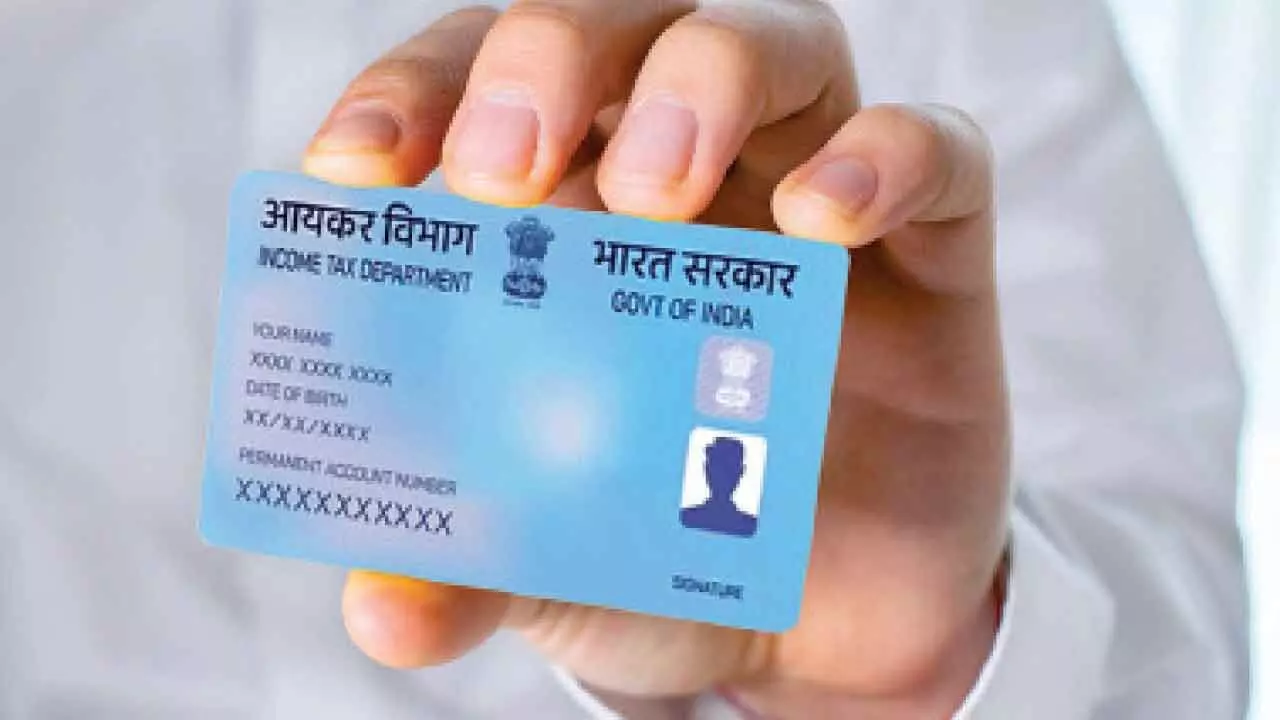
New Delhi. In a significant move to strengthen tax compliance and transparency, the newly implemented Income Tax Rules 2026 have introduced sweeping changes affecting individuals and investors alike. Effective April 1, 2026, several high-value transactions will no longer be permitted without a Permanent Account Number (PAN). Notably, the earlier provision of using Form 60 has been replaced by Form 97, whose applicability has now been sharply restricted.
The message from the new framework is clear—“No PAN, No Purchase.” Individuals without a PAN may be unable to make a range of purchases and financial transactions. The government believes this step will curb cash-based dealings and reduce tax evasion.
PAN mandatory for purchases above ₹2 lakh
Under the revised rules, quoting PAN is compulsory for any purchase of goods or services exceeding ₹2 lakh. This includes items such as gold jewellery, high-end electronics, and other luxury products. For instance, buying gold worth more than ₹2 lakh will require PAN disclosure, regardless of whether the payment is made in cash or through digital modes.
Tax experts note that while this requirement existed earlier, enforcement has now become stricter, with enhanced monitoring aimed at tracking large transactions and preventing unaccounted cash flow.
FCRF Academy Launches Premier Anti-Money Laundering Certification Program
Form 97 is no longer valid for key transactions
The new rules have completely eliminated the use of Form 97 for several major transactions, making PAN compulsory in all such cases. These include:
- Purchase of motor vehicles priced above ₹5 lakh
- Application for credit cards
- Opening of demat accounts
- Investments exceeding ₹50,000 in mutual funds, bonds, or debentures
- Cash deposits or withdrawals exceeding ₹10 lakh
- Securities transactions above ₹1 lakh per deal
- Purchase or sale of unlisted shares
In all these scenarios, transactions cannot be completed without a PAN, ensuring greater transparency within the financial system.
Why Form 97 has been restricted
According to government estimates, around 12.5 crore Form 60 submissions were filed annually in the past. These have now been replaced by Forms 97 and 98, but their usage has been significantly reduced. It is projected that filings will drop to nearly 2 crore under the new system.
The strategy behind this shift is to make PAN the central identifier for most financial activities, enabling digital tracking of transactions. This, in turn, allows tax authorities to use data analytics to detect suspicious patterns and improve compliance.
Some transactions have been removed from the reporting ambit
At the same time, the government has provided relief by excluding certain low-risk, routine transactions from the Form 97 reporting requirement. These include:
- Purchase of foreign currency
- Cash purchase of bank drafts, pay orders, or banker’s cheques
- Transactions involving prepaid payment instruments (PPIs)
This move is expected to reduce the compliance burden on individuals carrying out smaller, routine transactions.
Impact on individuals and investors
Experts believe the biggest impact will be on individuals who previously conducted high-value transactions without PAN. They will now either need to obtain a PAN or refrain from such activities.
Additionally, for investors and users of financial services, PAN has effectively become a mandatory document. Banking, investments, and credit-related processes are now heavily dependent on PAN verification.
Focus on transparency and digital tracking
The government’s objective is clear—expand the tax base, reduce cash transactions, and enhance transparency in the financial ecosystem. The Income Tax Department believes that a PAN-driven system will help curb tax evasion and improve revenue collection.
Overall, the new tax rules signal India’s shift toward a fully digitised and traceable financial system, where every significant transaction is monitored and accounted for.
