
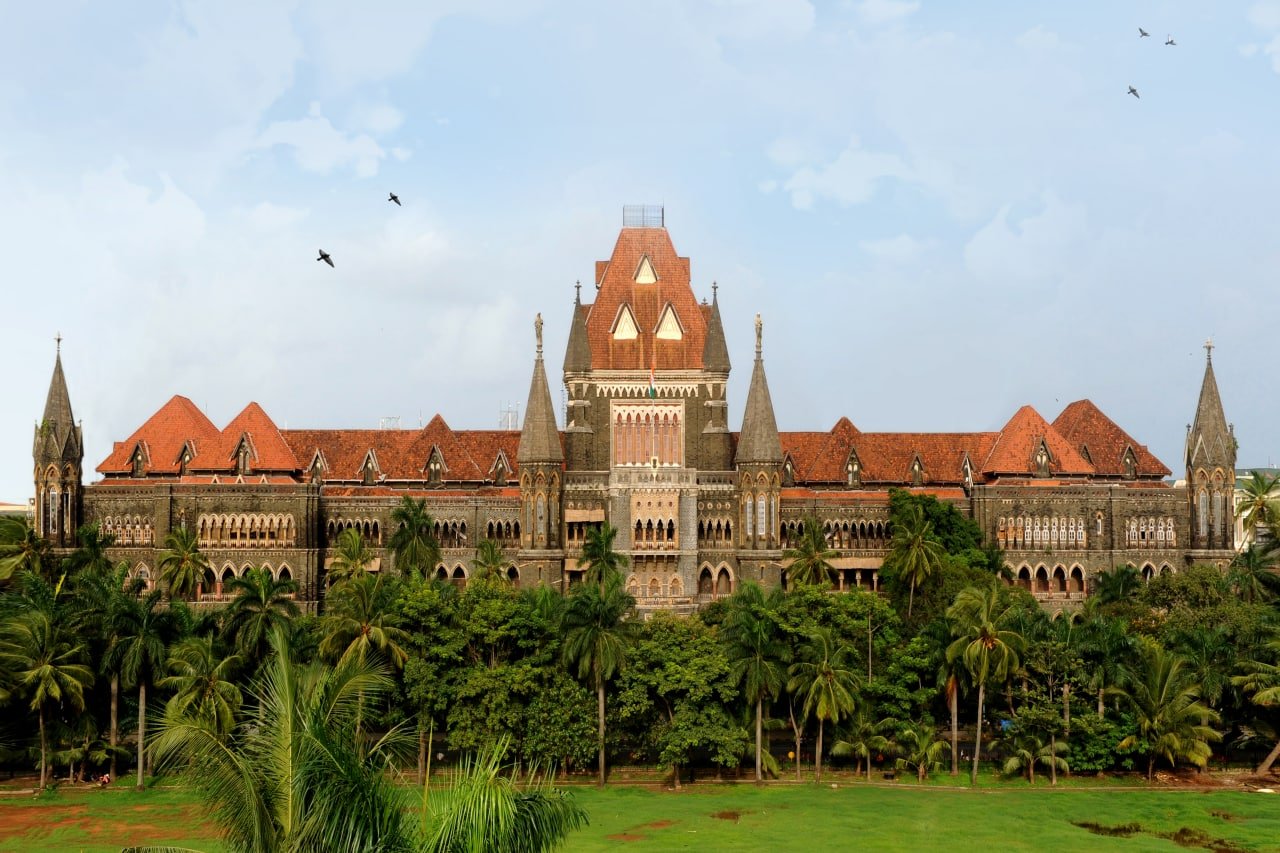
The Bombay High Court has held that insurance companies cannot reject hospitalisation claims merely because they are filed after the deadline mentioned in the policy, ruling that time-bar clauses which restrict a policyholder’s right to claim beyond a specified period are void under Section 28(b) of the Indian Contract Act, 1872.
Court Rejects Time-Bar Clause in Health Insurance Claim
A division bench of Justice Bharati Dangre and Justice Manjusha Deshpande delivered the ruling on 20 April 2026. The court held that a clause imposing a limitation on invoking rights under an insurance policy only because the claim was filed beyond a specified period clearly attracted Section 28(b) of the Indian Contract Act.
The court observed that Section 28 bars agreements that extinguish the rights of a party or discharge a party from liability under a contract on the ground that a specified period has expired. It said that such a restriction in an insurance policy, which limits the period for availing a benefit otherwise available to the insured, cannot be sustained and must be treated as void and non-est.
FCRF Academy Launches Premier Anti-Money Laundering Certification Program
United India Insurance Told to Pay Claim With Interest
The court directed United India Insurance Company to reimburse the disputed claim within eight weeks, along with 6 percent annual interest from the date the payment first became due.
The petition was filed by CP Ravindranath Menon, who was covered under a group health insurance policy through his employer, the Export-Import Bank of India, valid from April 2021 to March 2022. Menon submitted reimbursement claims in May 2022 for medical expenses incurred during the policy period. The insurer rejected a claim worth ₹1.13 lakh, citing a 90-day filing limit mentioned in the policy.
The insurer argued that Menon had accepted all policy terms, including the 90-day clause, and was therefore bound by them. The court rejected this argument, holding that a procedural time limit could not defeat an otherwise available contractual benefit.
Ruling May Affect Claim Rejection Practices
The court relied on a 2022 Supreme Court precedent in the Oriental Insurance Company case, which had held that timeline conditions in insurance policies that extinguish legitimate rights are contrary to Section 28(b) of the Indian Contract Act and are therefore void. The insurer’s attempt to distinguish that precedent from Menon’s case was dismissed.
The ruling means that a missed filing deadline alone cannot be used to reject an otherwise valid claim. Policyholders who were earlier denied claims only on procedural timing grounds may have a legal basis to challenge such decisions, though timely filing remains advisable.
For the insurance industry, the decision may require insurers to revisit standard rejection practices based on time-bar clauses. The focus, as reflected in the ruling, must shift to the merit and validity of the claim itself rather than procedural technicalities. The order applies to both group and individual health policies.
About the author – Rehan Khan is a law student and legal journalist with a keen interest in cybercrime, digital fraud, and emerging technology laws. He writes on the intersection of law, cybersecurity, and online safety, focusing on developments that impact individuals and institutions in India.
