

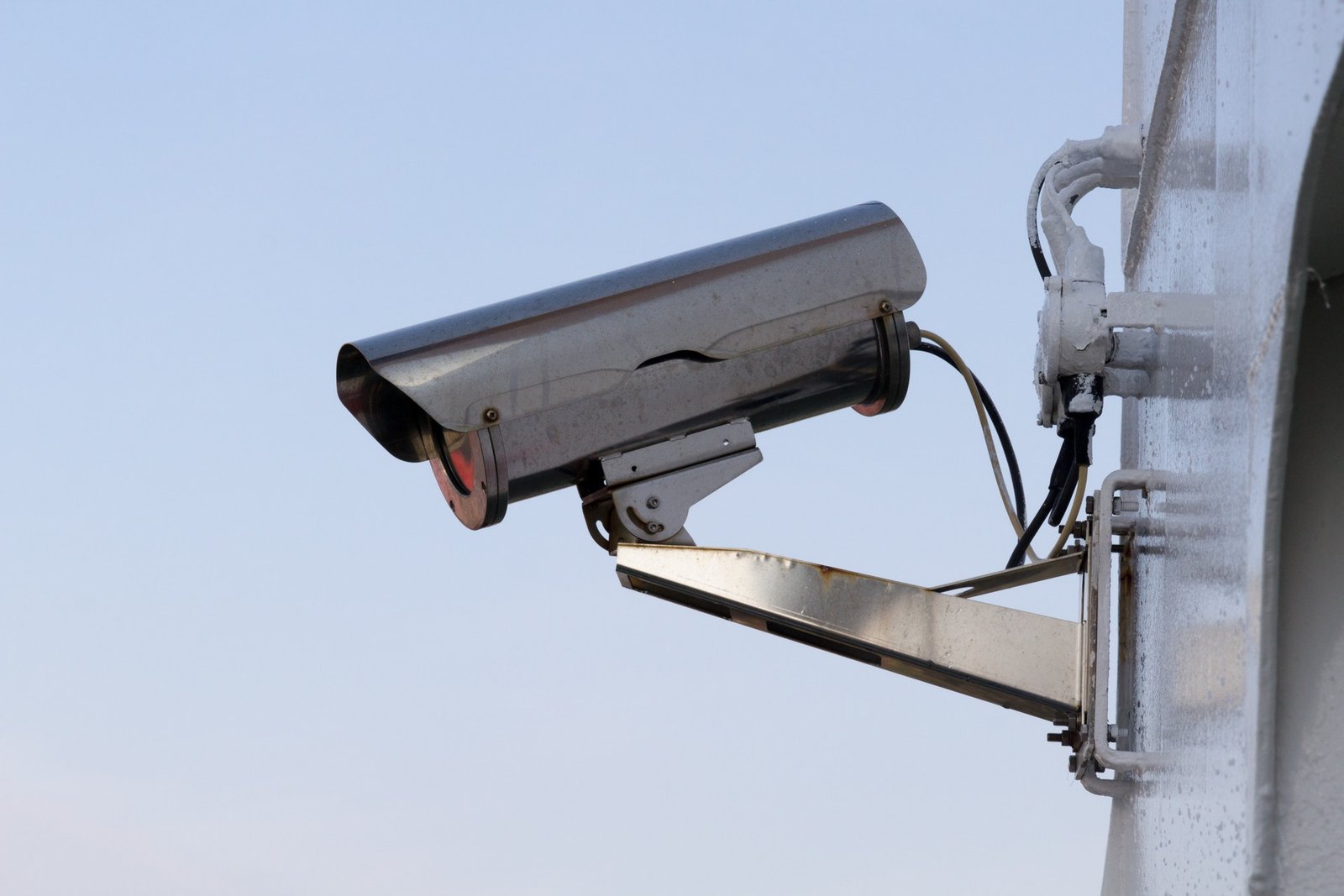
New Delhi: In the modern digital era, CCTV networks, widely regarded as one of the strongest tools for security and surveillance, are increasingly being questioned as a potential cyber threat. Recent developments linked to the Iran–Israel conflict have sparked global concern after claims emerged that CCTV cameras on the streets of Tehran were allegedly hacked to access sensitive information, which was then reportedly used in targeted operations. The incident has raised serious doubts among security experts about the true resilience of surveillance infrastructure worldwide.
Surveillance Debate Into Global Security Crisis
According to reports, this was not a simple technical breach but part of a sophisticated cyber-intelligence operation. It is believed that live camera feeds, location data, and movement patterns were analyzed and used for strategic decision-making. Experts suggest that the incident highlights a critical vulnerability: surveillance tools, if not properly secured, can become instruments of risk rather than protection.
Following these developments, concerns have also intensified in countries like India, where large-scale CCTV networks are deployed across urban areas under smart city and public safety initiatives. India is considered one of the most heavily surveilled countries in the world, but experts warn that a significant portion of these systems relies on outdated technology and lacks robust cybersecurity safeguards. Many cameras operate on networks with weak encryption and irregular security updates, making them potentially vulnerable.
FCRF Academy Launches Premier Anti-Money Laundering Certification Program
India’s Smart City Cameras Under Fresh Cybersecurity Scanner
Cybersecurity specialists have further cautioned that several surveillance systems rely on hardware and software components sourced from foreign vendors, which may introduce additional security risks. However, experts also emphasize that the issue is not limited to any single country or manufacturer. Weak system configuration, outdated firmware, and insecure network architecture collectively contribute to the broader vulnerability.
AI Surveillance Raises New Fears of Tracking
The increasing use of Artificial Intelligence (AI) has further complicated the threat landscape. AI-powered technologies such as facial recognition, object tracking, and behavioural analytics are widely deployed to enhance security systems. However, if compromised, these technologies could be misused for large-scale surveillance, tracking, and profiling. This raises concerns not only for individual privacy but also for national security and the protection of critical infrastructure.
Experts argue that if CCTV networks in any country are breached, they can be exploited for crowd monitoring, identification of sensitive locations, and surveillance of strategic activities. This is why the recent developments are being viewed not merely as cyberattacks, but as a potential “weaponization of surveillance” scenario.
More Cameras Mean Little Without Strong Cyber Protection
In India, CCTV deployment has expanded rapidly under smart city projects and urban safety programs. However, experts stress that increasing the number of cameras alone is not sufficient. Strengthening cybersecurity frameworks is equally important. Measures such as regular security audits, data encryption, network segmentation, and timely software updates are being recommended as essential safeguards.
Additionally, there are growing calls for surveillance systems to be built on secure, localised server infrastructure to reduce the risk of external interference. Experts believe that in the coming years, cyber warfare and digital espionage will play a role as significant as traditional security threats.
The alleged revelations linked to the Iran–Israel conflict have made one thing clear: more cameras do not automatically guarantee more security. If the underlying technological framework is weak, the same systems intended for protection can become critical vulnerabilities. At present, the issue is widely debated globally, with several countries reassessing the security of their surveillance infrastructure.
