
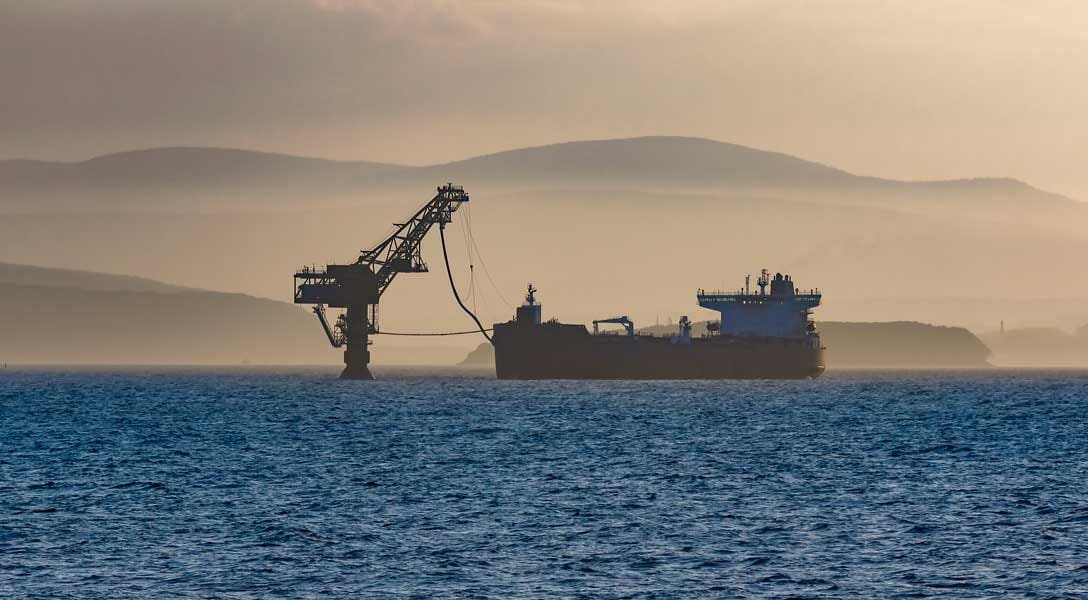
The United States has escalated its pressure on Iran’s oil export network by imposing sweeping economic sanctions on a major Chinese refinery and around 40 shipping companies and oil tankers. The move comes amid rising geopolitical tensions and growing volatility in global energy markets.
According to the US administration, the sanctioned entities were directly or indirectly involved in the transportation, procurement, and distribution of Iranian crude oil in international markets. The primary objective of these sanctions is to restrict Iran’s oil revenues and weaken its broader financial network.
FCRF Academy Launches Premier Anti-Money Laundering Certification Program
Among the entities named is the Hengli Petrochemical refinery located in Dalian, China, with a processing capacity of approximately 400,000 barrels per day. It is considered one of China’s largest independent refineries and plays a significant role in global petroleum processing.
Chinese Refinery Named in Sanctions List
The US Treasury Department stated that Hengli Petrochemical has received multiple shipments of Iranian crude oil since 2023, generating hundreds of millions of dollars in revenue for Iran. This formed the basis for its inclusion in the sanctions list.
US officials said the network extends far beyond refineries and shipping firms, involving intermediaries, trading channels, and financial institutions that facilitate the movement of Iranian oil into global markets.
The Treasury Department emphasized that it is closely monitoring all entities attempting to bypass existing sanctions and warned that secondary sanctions could be imposed on any country or company engaging in Iranian oil trade.
Earlier this month, the United States had also issued warnings to financial institutions in China, Hong Kong, the United Arab Emirates, and Oman, cautioning them against any transactions linked to Iran.
Oil Markets Face Fresh Volatility
Experts believe this move could have a significant impact on global oil markets, which are already under pressure due to ongoing tensions in West Asia. The disruption in supply chains may further increase volatility in crude oil prices.
In order to stabilize the market, the US has also allowed temporary exemptions on Russian oil and limited relief on certain Iranian oil shipments already at sea, aiming to prevent sudden price spikes.
The action is widely viewed as a more aggressive phase in US policy toward Iran, focusing on cutting off its oil revenues and disrupting international trade networks that support its economy.
The development also raises concerns for global diplomacy and energy security. Strategic maritime routes such as the Strait of Hormuz, through which a large portion of the world’s oil supply passes, are seen as particularly vulnerable to rising risks.
Further Enforcement Action Expected
The US administration has indicated that this is only the beginning of a broader enforcement strategy, with further sanctions expected against additional companies and individuals found to be part of the same supply chain.
Analysts suggest that this move could reshape the balance of power in global energy politics. Increased pressure on Iran’s oil exports may not only impact its domestic economy but also influence energy strategies across Asia and Europe.
The situation highlights the deep interdependence and complexity of global energy markets, where political decisions in one region can trigger widespread economic consequences worldwide.
Experts warn that prolonged sanctions of this nature could redefine international trade flows and lead to the formation of new geopolitical and energy alliances in the coming years.
Follow for daily updates on cybercrime, corporate fraud, DFIR, hacking, investigations, and digital forensics
