
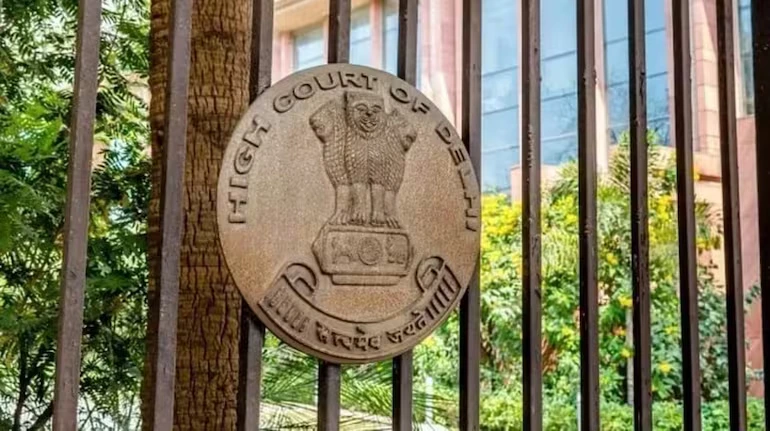
The Delhi High Court has granted interim bail to an advocate arrested in connection with an alleged ₹100 crore Ponzi scheme case, offering him temporary relief while the investigation continues.
The court, during the hearing, observed that the matter involves serious allegations of large-scale financial fraud but also requires further examination of evidence before any final view on custody is taken. The interim order ensures that the accused remains available for investigation while not being subjected to continued detention at this stage of proceedings.
The case pertains to allegations that investors were induced to invest in a fraudulent scheme promising unusually high returns over a short period. According to the prosecution version, the accused was part of a network that allegedly collected funds from multiple individuals through assurances of guaranteed profits and structured investment plans. The total suspected fraud is estimated at around ₹100 crore, involving several complainants who later claimed they were unable to recover their money once payments stopped and communication channels were shut down.
FCRF Academy Launches Premier Anti-Money Laundering Certification Program
Defence And Prosecution
In his defence before the court, the accused advocate argued that he has been wrongly implicated and that his role in the alleged transactions has been misinterpreted. The defence submitted that the investigation is still at a preliminary stage and that custodial detention is not necessary as the accused has been cooperating with the investigating agency.
It was also argued that documentary evidence is being selectively interpreted and that no conclusive material has been established linking him directly to the alleged diversion of funds.
On the other hand, the prosecution maintained that the alleged Ponzi operation was part of a structured financial fraud involving multiple victims and layered fund movement through various bank accounts. It was submitted that the investigation is tracing money trails and digital footprints, and releasing the accused at this stage could hamper the ongoing probe. The agency also pointed to the scale of the alleged fraud and the need to preserve evidence and ensure cooperation during interrogation.
Court’s Balance
After hearing both sides, the High Court granted interim bail to the accused advocate, noting that the relief is temporary in nature and subject to conditions as deemed appropriate by the court. The order ensures that the accused will remain available for investigation and comply with any directions issued by the investigating agency. The court clarified that the merits of the case, including the authenticity of allegations and evidence, will be examined in detail at a later stage of proceedings.
Investigators allege that the scheme operated by offering high and assured returns to attract investors, with initial payments made to build credibility. Once significant amounts were collected, the flow of returns reportedly stopped, and investors were unable to withdraw their funds. Authorities are now examining bank records, digital transactions, and communication logs to determine the full extent of the alleged network and identify other individuals involved in the operation.
Legal experts note that interim bail orders in economic offence cases often reflect the court’s attempt to balance personal liberty with the needs of investigation. They point out that custody is not automatic in every financial crime case and must be justified with clear reasoning, especially when evidence is largely documentary in nature and can be preserved without detention.
The interim bail decision is expected to be cited in similar cases involving alleged financial fraud where investigations rely heavily on documentary and digital evidence. Legal observers suggest that such orders reinforce judicial scrutiny over prolonged pre-trial detention. The ruling also underscores the principle that bail should be the norm and custody an exception, particularly when the accused is not considered a flight risk and is cooperating with investigation authorities.
About the author – Rehan Khan is a law student and legal journalist with a keen interest in cybercrime, digital fraud, and emerging technology laws. He writes on the intersection of law, cybersecurity, and online safety, focusing on developments that impact individuals and institutions in India.
