
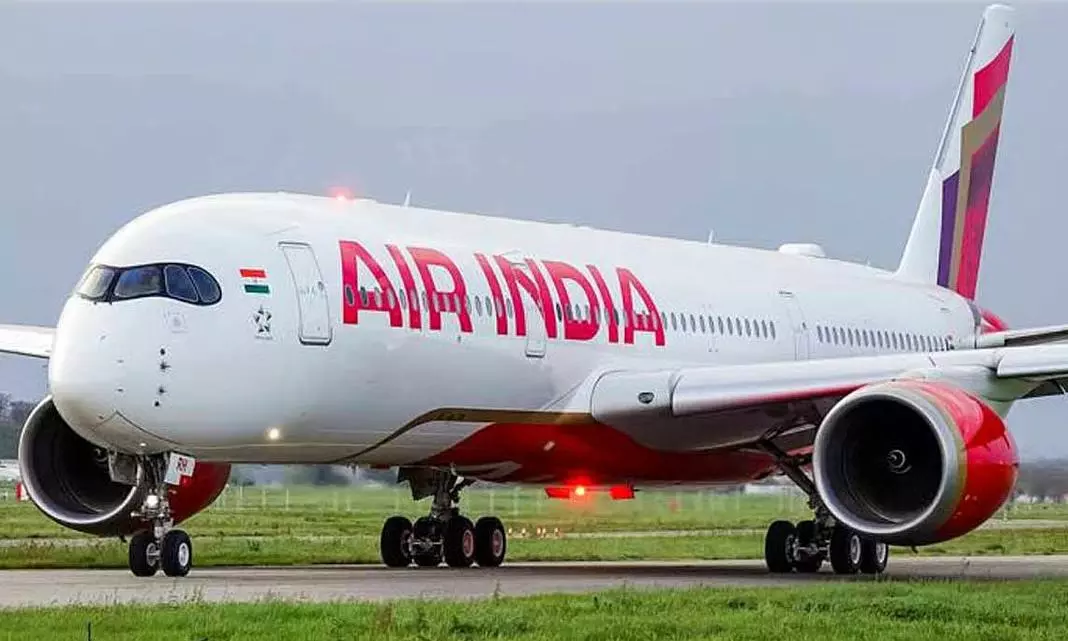
New Delhi: An Air India co-pilot has been deported from the United States after being allegedly found in possession of marijuana in his baggage during a transit stop in San Francisco, triggering a formal investigation and disciplinary review by the airline and aviation authorities. The incident, which came to light this week, has raised concerns over crew compliance with international laws and airline operational discipline.
A Routine Positioning Trip Turned Into a Major Embarrassment
According to people familiar with the matter, the co-pilot was travelling as part of a positioning crew on a Delhi–San Francisco flight on April 14, intended to operate a return sector. Upon arrival in San Francisco, US authorities reportedly conducted routine checks and allegedly discovered marijuana in his luggage. Following the discovery, he was not permitted to leave the airport and was immediately placed under restriction by local authorities.
The airline was subsequently informed of the development, after which a decision was taken to send the crew member back to India on the next available flight. Officials said the co-pilot was on his way back to Delhi within a couple of days of the incident. The matter has also been reported to India’s aviation regulator, the Directorate General of Civil Aviation, as part of mandatory compliance procedures in cases involving alleged misconduct abroad.
FCRF Returns With CDPO, Its Premier Data Protection Certification for Privacy Professionals
‘Inadmissible Under Local Laws’ Became the Turning Point
Air India issued a statement confirming awareness of the situation and reiterated its strict policy regarding legal and regulatory violations. The airline said that one of its crew members travelling from Delhi to San Francisco had been deemed inadmissible under local laws and was returned to India. It further emphasized that the carrier maintains a zero-tolerance approach towards any breach of law or professional conduct standards and that appropriate disciplinary measures will be taken in accordance with company policies.
People close to the investigation stated that the co-pilot had not consumed marijuana during the journey but was allegedly found in possession of the substance. Authorities in the United States treat possession of cannabis differently depending on state and federal jurisdiction; however, it remains strictly regulated in aviation and international travel contexts, especially for operating crew members.
Airline’s Zero-Tolerance Stand Kicks In
The incident has prompted internal scrutiny of the airline’s crew baggage handling procedures, compliance awareness, and international operational protocols. Aviation experts note that crew members operating international flights are subject to strict legal and regulatory obligations in both departing and arriving countries, and even inadvertent violations can lead to serious consequences including deportation, suspension, or license review.
Sources indicate that the airline has initiated an internal review to determine whether there was any lapse in compliance training or individual negligence. The findings are expected to influence future monitoring mechanisms for crew travel and pre-flight verification processes.
Another Reputation Test for a Global Airline
In addition to airline-level action, the case is also expected to be examined by aviation safety authorities in India. Depending on the outcome of the internal and regulatory investigations, the co-pilot could face suspension or further disciplinary action, including potential grounding from flying duties.
The incident has also drawn attention within the aviation community, where professionals have highlighted the reputational risks associated with such cases. Airlines operating long-haul international routes rely heavily on strict adherence to foreign regulations, and even isolated violations can result in operational disruptions and reputational damage.
While the investigation continues, the airline has reiterated that safety, compliance, and professional conduct remain its top priorities. Officials have stated that further updates will be shared once the internal review is completed and regulatory assessments are concluded.
