

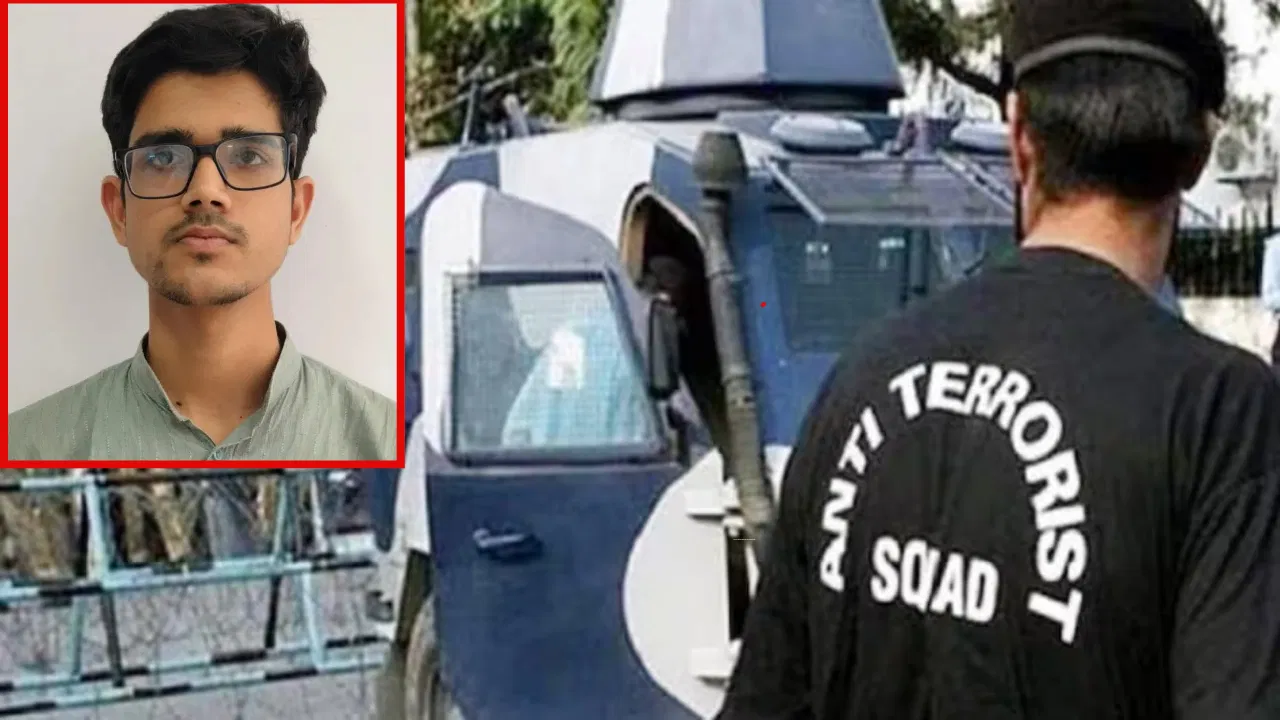
In Western Uttar Pradesh, college freshers are increasingly becoming targets of a sophisticated digital radicalization network run by the terrorist organization ISIS. Following the arrest of local student Haris Ali from Saharanpur, security agencies have intensified focus on this silent yet dangerous online mechanism. Officials say the network has moved away from traditional recruitment methods and is now fully operational on digital platforms, reaching out to students via social media, encrypted messaging apps, and closed online groups.
Investigations reveal that first- and second-year college students are the most vulnerable. Being in a new environment, trying to establish themselves, these students are more active on digital platforms, making them easier to influence and recruit. Professional course students in medical, engineering, and IT streams are considered high-risk, as their technical knowledge makes them easier to connect to online extremist networks.
The 3-Step Radicalization Model
Security agencies have identified a consistent pattern, termed the ‘3-Step Radicalization Model’.
- Step 1 – Connect: Fake social media profiles are used to befriend students. Motivational or religious content is shared to build trust.
- Step 2 – Influence: Gradually, videos, messages, and victim narratives related to extremist ideology are shared, influencing the student mentally.
- Step 3 – Engagement: Targets are moved to encrypted platforms and added to small closed groups where extremist content and directives are circulated.
Investigators say Haris Ali was actively following this model and attempted to link several young students to the network.
FutureCrime Summit 2026 Calls for Speakers From Government, Industry and Academia
Shift to ‘Lone Wolf’ Strategy
Agencies indicate that the network has now shifted from large cells to a ‘lone wolf’ strategy, where a single individual is mentally prepared and motivated to carry out an attack independently. The smaller size of these cells makes them extremely difficult to trace, increasing the threat level.
Silent Online Module in West UP
Sources report that over the past 8–10 years, a “silent online module” has been operating in Western UP. This module does not rely on any single individual or location but functions through digitally connected small groups, making detection and monitoring highly challenging.
Campus and Online Monitoring Intensified
Following recent intelligence, security agencies have ramped up vigilance in college campuses across West UP. College administrations have been issued alerts, suspicious online activity of students is being closely monitored, cyber cells have increased activity, and old digital connections are being re-verified.
Students enrolled in technical or professional courses such as medical, engineering, and IT are considered particularly at risk, as they are digitally literate and can easily integrate into online extremist networks.
Heightened Alert in Sensitive Districts
Saharanpur, Muzaffarnagar, and Meerut have been identified as high-risk zones. Agencies are conducting thorough investigations into old cases and potential links within the network across these districts.
Investigating officials say that rapidly evolving strategies on digital platforms have made the threat more complex. Colleges, parents, and students are urged to remain vigilant so that any suspicious activity can be detected in time, preventing potential large-scale incidents.
About the author – Rehan Khan is a law student and legal journalist with a keen interest in cybercrime, digital fraud, and emerging technology laws. He writes on the intersection of law, cybersecurity, and online safety, focusing on developments that impact individuals and institutions in India.
Follow for daily updates on cybercrime, corporate fraud, DFIR, hacking, investigations, and digital forensics
