
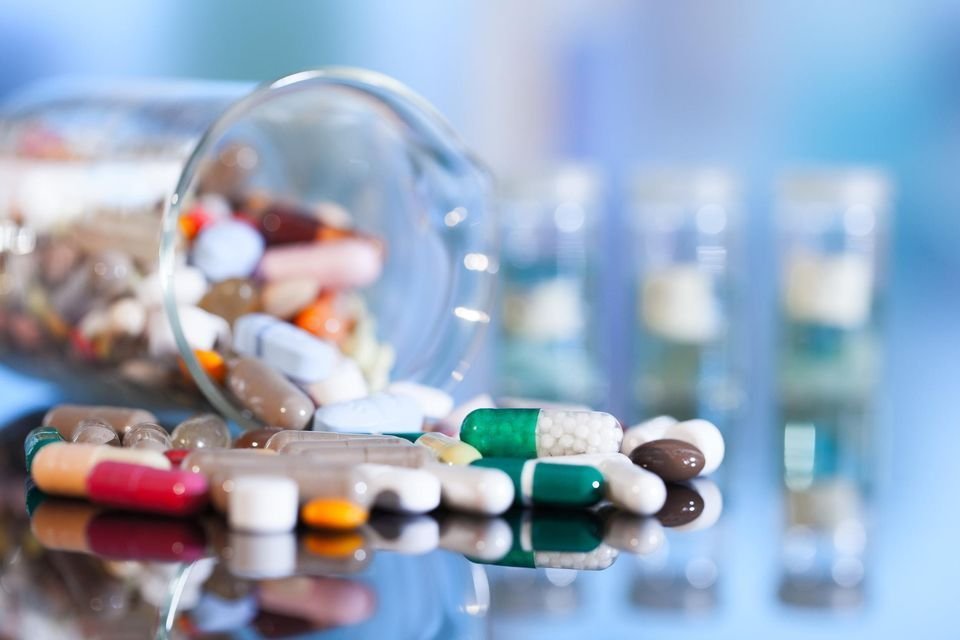

Lucknow: A major irregularity has surfaced in Uttar Pradesh after deworming medicines supplied by the animal husbandry department were found to be fake and substandard during laboratory testing. The revelation has triggered alarm within the department, which has immediately halted distribution of the concerned batch and initiated the process to blacklist the supplier. Districts have been directed to return all unused stock.
The drug — Fenbendazole IP 1000 mg and Niclosamide IP 1500 mg — was supplied by a firm based in Sirmaur, Himachal Pradesh. Samples from multiple districts were tested at a laboratory in Agra, where the batch EMVB-24296 failed to meet prescribed quality standards.
Sampling after multiple complaints
Over the past few months, several districts had raised concerns regarding the efficacy of the deworming medicine. Following these complaints, the drug controller conducted surprise sampling. After receiving the test report, the director (disease control and field operations) of the animal husbandry department instructed all chief veterinary officers to immediately stop using the affected batch.
Medicines that have already been distributed but not yet administered are to be returned to the polyclinic superintendent in Lucknow.
Certified Cyber Crime Investigator Course Launched by Centre for Police Technology
Drug administered twice a year
Deworming medicines are administered to livestock twice annually, directly impacting animal health, milk production and farmers’ income. Use of substandard or fake drugs can reduce productivity and cause financial losses to livestock owners.
Departmental records also indicate that in 2022–23, ivermectin with a 2% concentration — far above the approved 0.6–0.8% range — was procured at prices nearly 14 times higher than market rates, raising further questions about procurement practices.
Accountability and blacklisting
The department has stated that strict action will be taken against the supplying company and that blacklisting proceedings have been initiated. A broader probe into the procurement process is also underway to identify how non-compliant drugs were approved and whether any officials or agencies were involved.
Experts note that drug quality is critical in animal health programmes because it directly affects dairy output, livestock growth and the rural economy.
Authorities are now considering stricter pre-procurement quality testing and mandatory third-party verification to prevent recurrence of such incidents and ensure the integrity of veterinary supply chains.
