
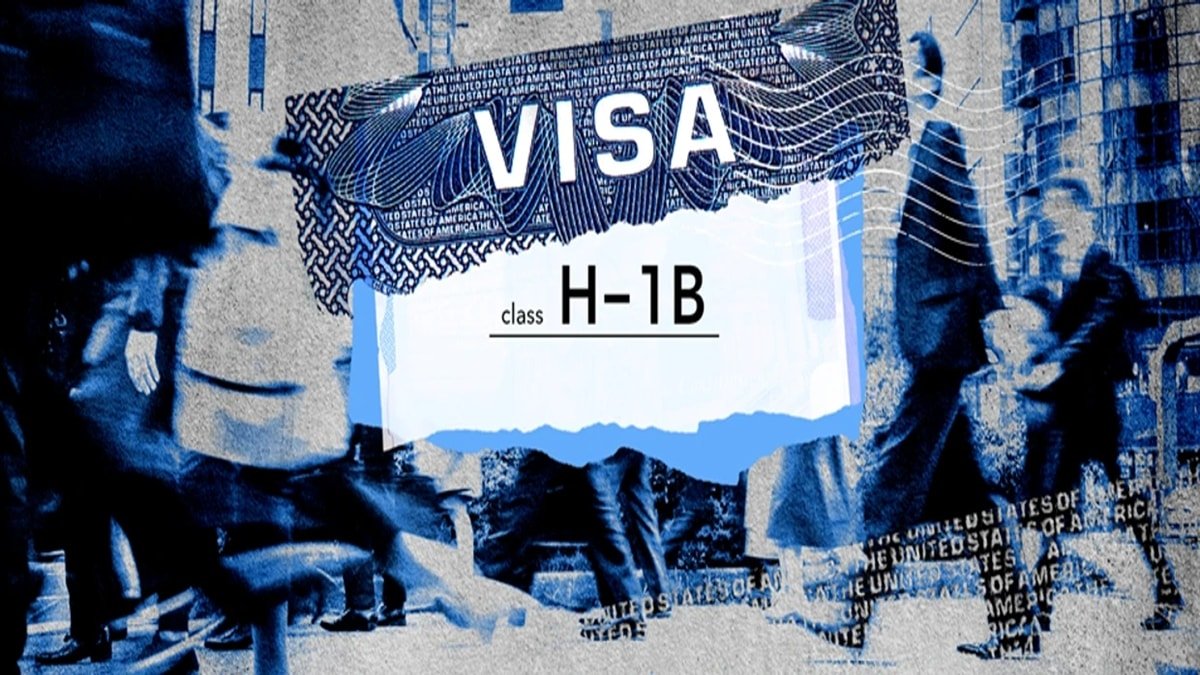

A former U.S. diplomat’s account of the H-1B visa system, drawn from years of consular work in southern India, has reignited an old and politically fraught debate in Washington: whether a program designed to fill specialized labor shortages has instead evolved into a pipeline vulnerable to fraud, distortion, and uneven enforcement.
A Consular Insider’s View From Chennai
Mahvash Siddiqui, an Indian-origin American who served as a junior visa officer at the U.S. consulate in Chennai, describes her posting in unusually stark terms. In reports and essays circulated in policy circles, she calls the city “the H-1B visa fraud capital of the world,” arguing that the scale of applications and the sophistication of document fabrication overwhelmed the safeguards meant to protect the program.
According to Siddiqui, Chennai adjudicated roughly 100,000 H-1B applications annually between 2005 and 2007. In the years since, she writes, demand has ballooned to more than 400,000 a year, a surge she attributes not only to the growth of India’s technology workforce but also to the rise of intermediaries who profit from gaming the system. Her account portrays a high-volume operation in which visa officers faced intense pressure to process cases quickly, leaving limited time for deeper scrutiny of credentials.
Allegations of Fraud and the Mechanics of Abuse
At the center of Siddiqui’s claims is an alleged ecosystem of falsification that spans borders. She describes applicants presenting computer science degrees without corresponding coursework, employment letters for jobs that did not exist, and financial records designed to satisfy formal requirements rather than reflect reality. Basic technical interviews or coding tests, she writes, often exposed gaps that paperwork concealed.
Her reporting also points to complicity beyond applicants themselves. Siddiqui alleges that corrupt human resources officials in both India and the United States facilitated fraudulent filings, while bribery and what she terms a “cultural normalization of fraud” reduced the stigma of deception. In Hyderabad’s Ameerpet neighborhood, she says, forged degrees, bank statements and even counterfeit civil documents were openly marketed to would-be migrants.
These are serious allegations, and they remain contested by industry groups and immigration advocates who argue that abuse, while real, represents a minority of cases in a system that brings legitimate talent to U.S. companies. Still, federal prosecutors in recent years have brought multiple H-1B-related fraud cases, underscoring that enforcement concerns are not merely theoretical.
The Impact on U.S. Workers and Corporate Hiring
Siddiqui’s critique extends beyond fraud to the labor market consequences she believes follow from it. She argues that some U.S. technology firms and managers—particularly within insular hiring networks—have favored visa holders from a single country, sometimes excluding American workers with comparable or stronger qualifications. In her telling, this dynamic has left some U.S. IT and STEM graduates unemployed or required to train lower-paid replacements brought in on H-1B visas.
Business groups counter that the program fills gaps rather than displaces domestic workers, noting persistent shortages in specialized fields. Economists remain divided, with studies showing both wage pressures in certain segments and productivity gains tied to skilled immigration. What is less disputed is that the concentration of H-1B visas among a relatively small number of employers and source countries has fueled perceptions of imbalance and fueled political scrutiny.
Calls for Reform and a Program at a Crossroads
To address what she sees as systemic failure, Siddiqui has proposed a sweeping set of reforms:
- pausing new H-1B issuances until a full audit is completed;
- strengthening verification of degrees, skills and employment histories;
- expanding site inspections;
- and enforcing tougher penalties for fraud.
She has also called for measures to ensure that U.S. STEM graduates are prioritized in sectors where domestic talent is available and for curbs on nepotistic or chain-hiring practices. Her most controversial assertion—that lobbying by Silicon Valley and foreign interests has misled Congress into underestimating the capabilities of American workers—touches on a long-running tension between economic competitiveness and labor protection.
Follow for daily updates on cybercrime, corporate fraud, DFIR, hacking, investigations, and digital forensics
