
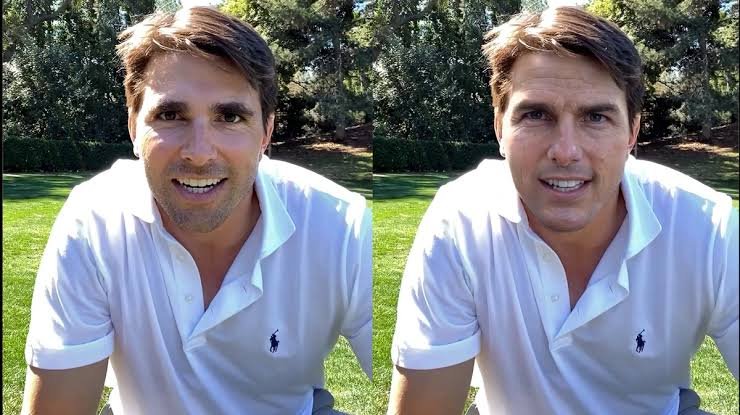

What began as an internet curiosity has evolved into one of the most consequential technological threats of the decade. Deepfake technology — a fusion of “deep learning” and “fake” — emerged from the obscure corners of Reddit in 2017, when early users swapped faces for entertainment and satire. Soon after, tools like DeepFaceLab and FakeApp made it possible for anyone with a computer and a few minutes to generate convincing synthetic videos.
Initially, the results were amusing. Faces of celebrities appeared in memes, voices were mimicked for parody, and filmmakers experimented with digital de-aging. But as the technology matured, so did its implications. What once entertained now threatens to erode trust in every form of digital evidence. By 2023, with the rise of powerful generative models such as Midjourney 5.1 and DALL·E 2, creating a hyper-realistic fake required little more than a smartphone and an internet connection.
Today, deepfakes are no longer confined to pop culture or fringe experimentation — they have entered boardrooms, courtrooms, and the political arena.
From Memes to Manipulation
The first public reckoning came in 2017, when deepfake pornography began circulating online without consent. The episode marked a grim shift: from harmless novelty to a weapon of exploitation. Within a year, the technology was implicated in political disinformation, notably the deepfake video of Gabon’s president that triggered nationwide unrest in 2018.
Between 2018 and 2022, deepfakes evolved from isolated incidents to instruments of organized deceit. By 2023, global cases of digital document forgery surged by 244%, targeting passports, IDs, and even financial records. Fraudsters began exploiting the same tools once used by Hollywood studios to fabricate entire identities — from synthetic voices that bypassed biometric verification to counterfeit corporate correspondence crafted by AI text models.
The scale of this exploitation is staggering. A 2023 report estimated deepfake-related fraud attempts had risen by over 3,000% year-on-year, with business losses averaging nearly $500,000(₹4.3 crores) per incident. Once an art of editing, deception had become a science.
FCRF Launches CCLP Program to Train India’s Next Generation of Cyber Law Practitioners
When Every Voice Can Lie
Among all forms of synthetic media, voice cloning has emerged as the most dangerous. Using just a 60-second audio clip, AI can now replicate a person’s tone, accent, and cadence so accurately that even family members struggle to tell the difference.
In 2024, scammers posing as executives from the engineering firm Arup used a deepfake video call to steal $25.6 million(₹224 crores). That same year, a cloned voice of LastPass’s CEO was deployed in a WhatsApp scam that defrauded an employee, contributing to a 680% surge in voice-based deepfake attacks.
These cases underscore a disturbing reality: the barrier between authentic and artificial speech has collapsed. In corporate, political, and personal spheres alike, authenticity — once a given — now requires forensic proof. As one cybersecurity analyst noted, “We’ve entered a world where every voice can lie.”
Fighting Fakes with Smarter Machines
Traditional methods of verification — human judgment, manual review, even basic biometric “liveness checks” — are now proving inadequate. Studies show that human detection accuracy has fallen to just 24.5%, a number that continues to decline as AI-generated content improves.
To combat this, new detection platforms like TruthScan have emerged. Using Generative Adversarial Networks (GANs) and Vision-Language Models (VLMs), TruthScan analyzes minute inconsistencies across image, voice, and text — offering real-time detection with up to 98% accuracy. Its clients include universities, corporations, and government agencies attempting to guard against AI-driven fraud, which is projected to cost the U.S. alone $40 billion( ₹35097 crores) annually by 2027.
In an age when a photograph, a voice message, or even a live video may no longer be what it seems, the world faces a deeper philosophical challenge: if seeing and hearing are no longer believing, what becomes of truth itself?
