
Stay ahead with our breaking stories and exclusive coverage prioritized on Google.
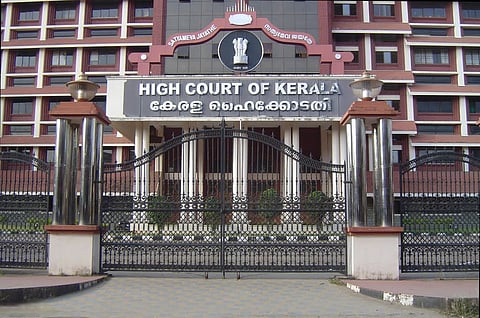
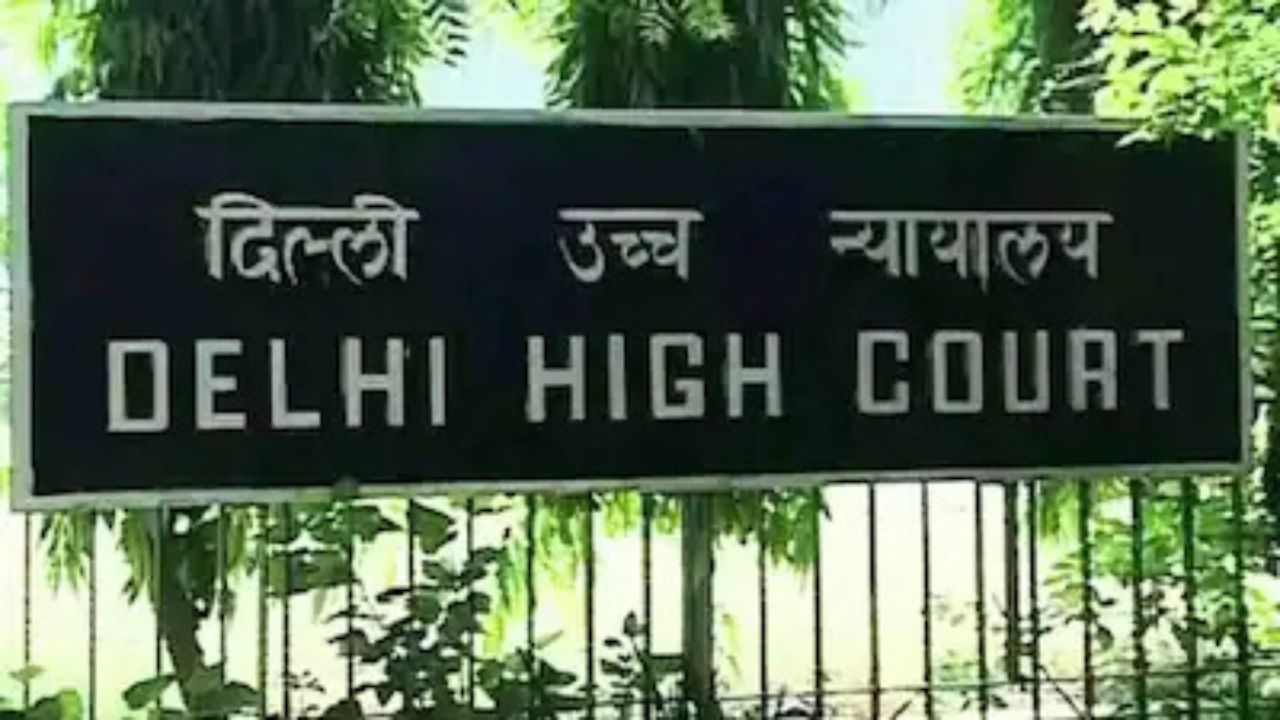
Add The420 on Google →The Delhi High Court has summoned a senior official of Indian Oil Adani Gas Private Limited to explain how the company obtained an affidavit that was not part of the court record in a pending gas pipeline dispute.
A Division Bench of Justices Prathiba M. Singh and Dinesh Bhatt expressed surprise that the company, which was not a party to the proceedings, had access to the case records, including an affidavit reportedly filed by the Petroleum and Natural Gas Regulatory Board (PNGRB).
In its November 2 order, the Court directed Rohit Chhabra, Senior Vice President of Finance and Accounts at Indian Oil Adani Gas, to appear personally on December 10 and explain how the documents were obtained.
FCRF Launches Certified Chief Risk Officer (CRO) Program for India’s Risk Leaders
Why Did the Court Question Adani Gas?
The issue arose after Indian Oil Adani Gas filed an application seeking to become a party to proceedings pending since 2014.
The company claimed that the outcome could affect its interests because it had received exclusive authorisation in 2018 to operate in the territory concerned.
However, the Court questioned how it obtained the PNGRB affidavit when the document was not available on the judicial record.
The Bench also noted that the company had sought to join the proceedings only after the Ministry of Petroleum and Natural Gas filed its affidavit.
Counsel for the original petitioner alleged possible collusion behind the applications, although the Court made no finding of wrongdoing.
What Is the ₹1 Crore Pipeline Dispute?
The underlying petition was filed by Great Eastern Energy Corporation Limited against a ₹1 crore penalty imposed by PNGRB for allegedly laying and operating pipelines transporting coal bed methane gas without prior regulatory permission.
The dispute concerns whether PNGRB has jurisdiction over pipelines developed under a production-sharing agreement signed with the Ministry of Petroleum and Natural Gas in 2001, before the PNGRB Act came into force.
In an affidavit submitted in August 2026, the Ministry maintained that Great Eastern Energy Corporation had been granted rights to undertake coal bed methane operations and construct pipelines under the earlier agreement.
The Ministry also argued that restrictions under Section 16 of the PNGRB Act were not applicable because the agreement predated the legislation.
What Happens at the Next Hearing?
The High Court has directed Chhabra to explain how Indian Oil Adani Gas accessed the case records and obtained the PNGRB affidavit despite the document not appearing on the court record.
The Court will take up the matter on December 10, when the official is required to appear.
The Bench also noted that a separate impleadment application by an association of city gas distribution entities had not yet been listed and would be considered when it came before the Court.
About the author — Suvedita Nath is a science student with a growing interest in cybercrime and digital safety. She writes on online activity, cyber threats, and technology-driven risks. Her work focuses on clarity, accuracy, and public awareness.