
Stay ahead with our breaking stories and exclusive coverage prioritized on Google.
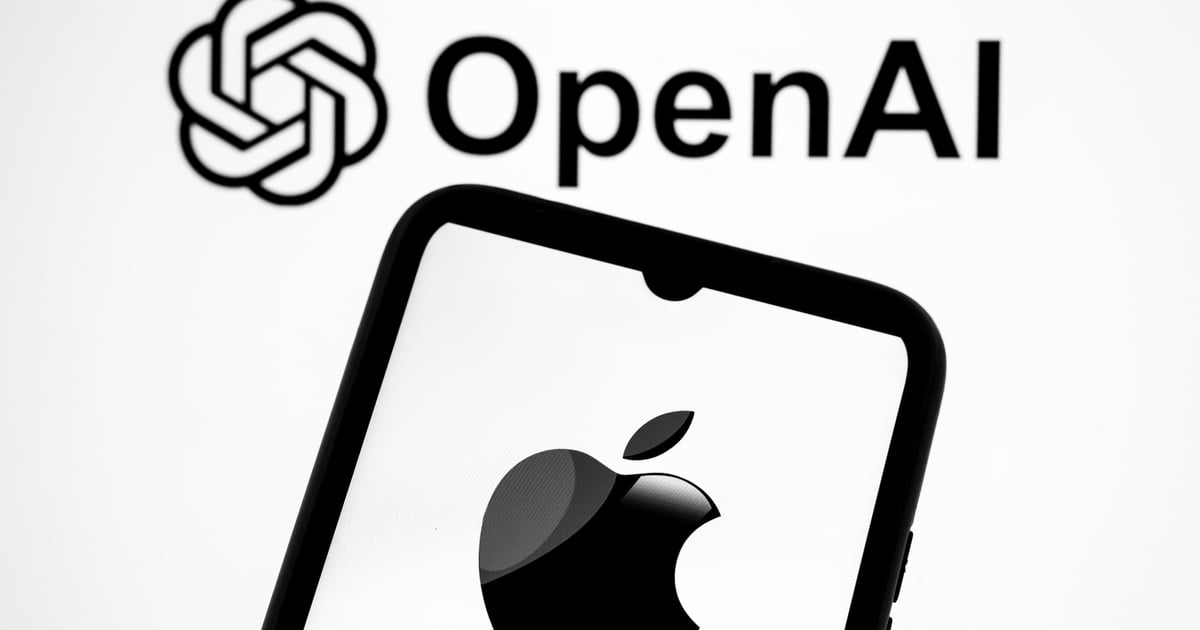
Add The420 on Google →NEW DELHI: The legal battle between OpenAI and Apple has intensified amid growing competition in the artificial intelligence and personal electronic device market. ChatGPT maker OpenAI filed counterclaims against Apple on Friday, accusing the tech giant of acquiring trade secrets and discouraging hardware suppliers from working with OpenAI. The move comes in response to an earlier lawsuit filed by Apple, which accused OpenAI of gaining access to confidential technology by hiring away its employees.
In counterclaims filed in a California federal court, OpenAI stated that Apple’s employment policies are designed to retain staff and prevent them from working on competing technologies. OpenAI claimed it is developing AI-enabled personal electronic devices capable of directly challenging Apple in market segments the iPhone maker considers its stronghold.
Allegations of Obtaining Confidential Plans via Former Employee
OpenAI alleged in court that Apple obtained confidential information by rehiring a former employee who had worked at OpenAI for about six months. During that period, the employee had access to specific details regarding a new OpenAI device and plans for future hardware products.
OpenAI stated that the timing and circumstances of the employee’s return to Apple have raised suspicions that the individual joined OpenAI solely to obtain confidential company documents. However, Apple rejected the allegations, stating that it did not rehire the former employee to acquire OpenAI’s proprietary information.
Apple Filed Initial Lawsuit in July
The dispute between the two companies began in July when Apple filed a lawsuit against OpenAI and two of its former employees, Tang Tan and Chang Liu. Apple alleged that these employees misappropriated trade secrets to help OpenAI enter the consumer hardware business.
Tang Tan had worked at Apple for about 24 years and held a senior position overseeing product design for the iPhone and Apple Watch. He was part of the founding team of the AI device startup io Products, which OpenAI acquired in 2025.
OpenAI and both former employees have denied Apple’s allegations. They contended that Apple’s lawsuit relies on unauthorized surveillance of Chang Liu’s personal messages, raising questions about how Apple accessed his private communications after he left the company.
Claim That 400 Employees Moved to OpenAI
In its counterclaims, OpenAI also questioned Apple’s employee management policies. The company alleged that Apple encourages staff to use their personal devices and accounts for work, but fails to provide a structured mechanism to separate personal and professional accounts when they leave for another company.
OpenAI claimed that Apple retains access to the personal devices and accounts of former employees even after they resign. According to OpenAI, this allows Apple to monitor and deter staff who move to rival firms. OpenAI further claimed that around 400 Apple employees have joined its ranks so far, and Apple wants to discourage other workers from switching jobs.
Apple dismissed OpenAI’s counterclaims, calling them an attempt to distract from the core issues of its original lawsuit. The company denied allegations of acquiring confidential information through hiring or stifling competition in the AI device sector.
The escalation comes at a time when competition in AI-based devices and personal technology is rapidly intensifying. The outcome of this legal dispute could not only shape the hardware business plans of both companies, but also impact broader industry questions regarding employee recruitment, protection of trade secrets, and employer access to personal digital accounts.