
Follow us on Google News

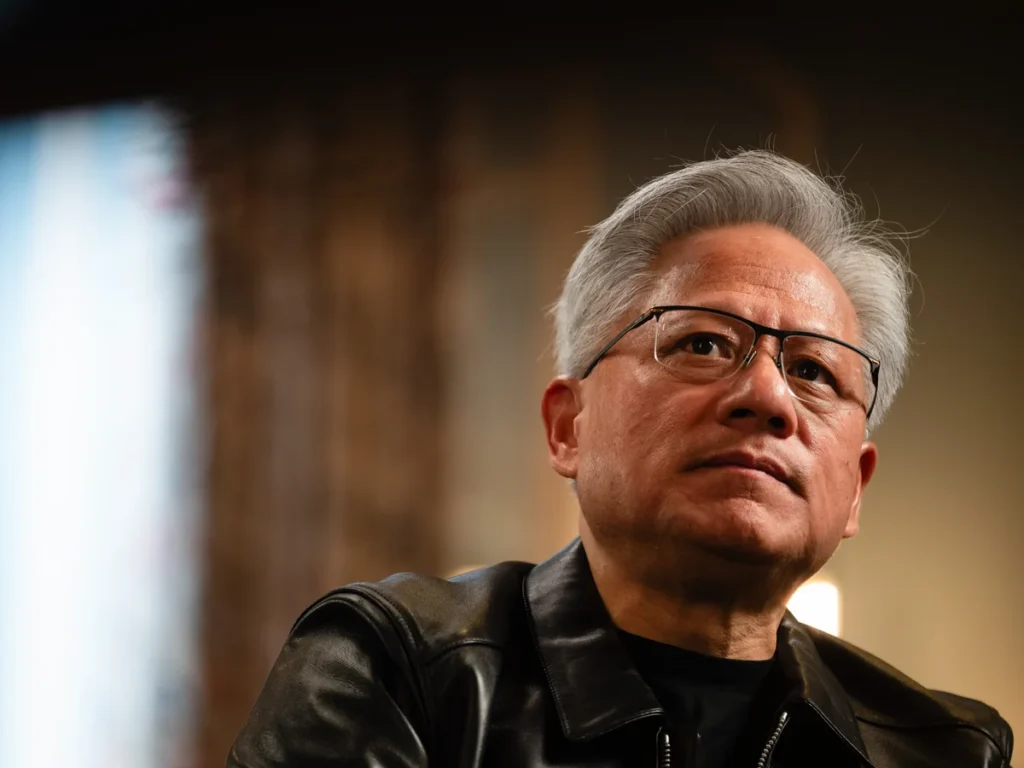
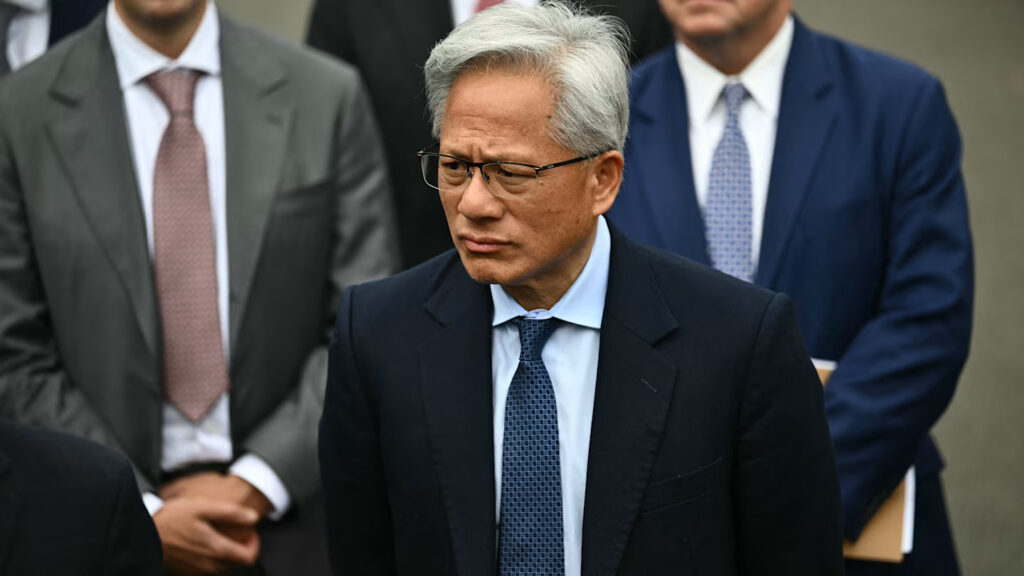
Nvidia shares surged 31.5% after Jensen Huang returned as CEO, triggering sharp gains across US and Asian technology markets.
Why Did AI Stocks Decline Before the Rally?
Artificial intelligence-related stocks had experienced substantial selling pressure throughout November amid concerns about a possible slowdown in AI investment. US markets had fallen by as much as 11%, while major technology companies, including Alphabet and Meta, faced declining share prices as investors reassessed the outlook for the sector.
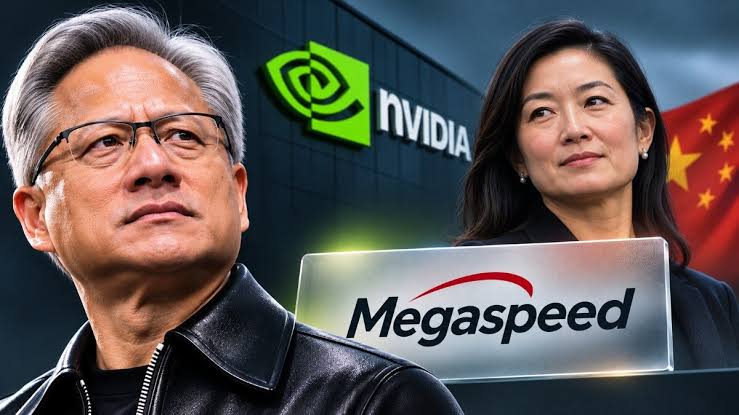
The uncertainty intensified following Huang’s resignation from Nvidia amid allegations concerning his personal conduct and a suspected Chinese intelligence connection. Concerns about future AI spending also weighed on investor confidence. Asian markets suffered particularly steep losses, with South Korea’s Kospi losing nearly half its value from its earlier peak and Japanese and Taiwanese indices declining between 20% and 30%.
FCRF Launches Certified Chief Risk Officer (CRO) Program for India’s Risk Leaders
How Did Jensen Huang’s Return Affect Wall Street?
Nvidia’s board announced Huang’s reinstatement on Monday, following public support from US President Donald Trump. The decision reversed the uncertainty surrounding the company’s leadership and prompted a substantial recovery in technology shares.
Nvidia stock climbed 31.5%, its largest single-day increase since 2003, after previously losing more than 40% following the emergence of allegations in late October. Other major technology companies also benefited, with Meta, Alphabet and Oracle recording gains of between 6% and 12%. The technology-heavy Nasdaq Composite rose 6.5%, helping Wall Street recover from an 8% selloff during the preceding week.
Why Did Asian Markets Respond So Strongly?
Asian equity markets reacted sharply because several major indices depend heavily on semiconductor manufacturers and artificial intelligence-related companies. In South Korea, Samsung Electronics and SK Hynix together account for almost half the weight of the Kospi index. Taiwan Semiconductor Manufacturing Company, commonly known as TSMC, represents approximately 40% of Taiwan’s benchmark index.
Following Huang’s reinstatement, South Korea’s Kospi jumped 7% in early Tuesday trading, while Taiwan’s Taiex surged 9%. Japan’s Nikkei 225 gained 4%. The recovery reflected renewed confidence in the AI sector following Nvidia’s leadership announcement. The gains were particularly significant for markets that had previously experienced substantial declines amid concerns about semiconductor demand and technology valuations.
What Does the Recovery Mean for Investors?
The rebound also prompted financial institutions to reconsider their assessments of Nvidia. Morgan Stanley and Bernstein had previously downgraded their outlook following Huang’s resignation. Bernstein subsequently upgraded its rating on Monday, reversing its earlier assessment after the company’s leadership situation changed.
Indian stock exchanges remained closed on Tuesday for Prakash Gurpurab Sri Guru Nanak Dev, although GIFT Nifty rose 0.4%, indicating a potentially positive opening for domestic benchmarks on Wednesday. The broader market recovery demonstrated how Nvidia’s leadership developments influenced investor sentiment across international technology markets, particularly those with significant exposure to artificial intelligence and semiconductor stocks.
The420 Insight
The sharp recovery in Nvidia and other technology shares highlights the influence of leadership stability on investor confidence in the artificial intelligence industry. However, the preceding market declines also demonstrate the sensitivity of technology valuations to concerns about corporate governance, investment spending and uncertainty surrounding major industry executives.