
Follow us on Google News

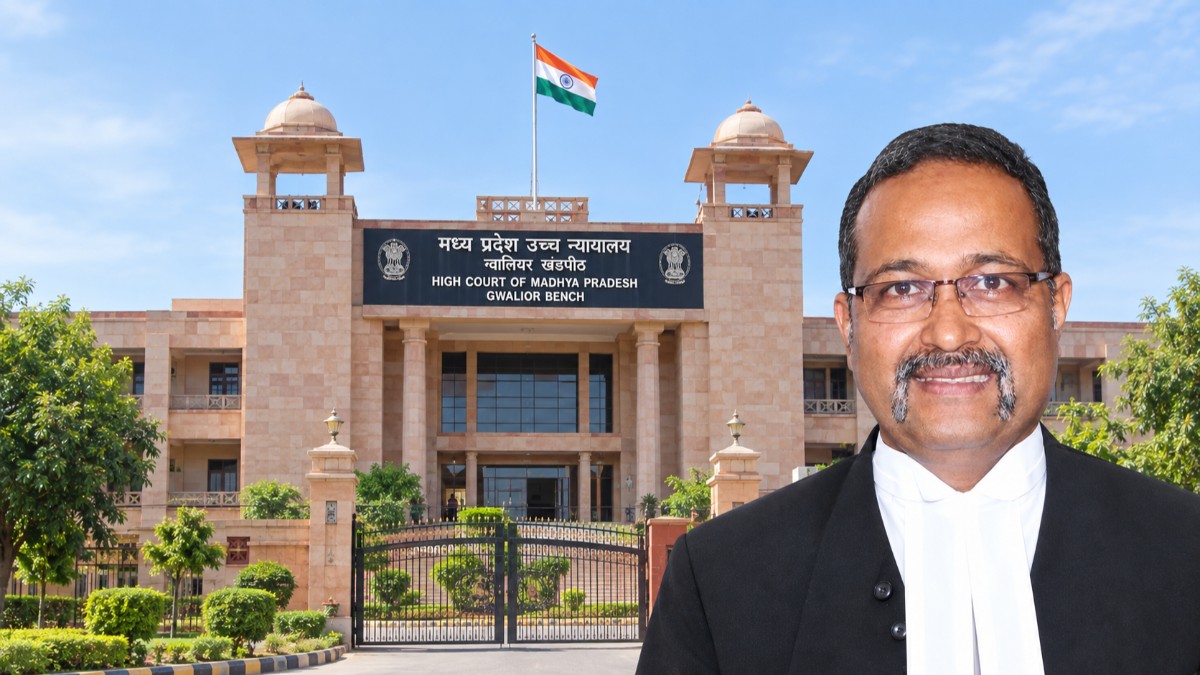
Madhya Pradesh High Court Chief Justice Alpesh Y Kogje has called for the responsible use of artificial intelligence in India’s judicial system, stressing that technology must improve access to justice without compromising constitutional values, privacy or judicial independence.
Speaking at the inaugural JusTech national conclave organised by Dharmashastra National Law University in Jabalpur, Justice Kogje identified several areas where AI could improve court administration and legal proceedings.
AI in Courts
Justice Kogje said artificial intelligence could assist courts in registering cases, examining documents and managing judicial workloads. He identified case registration and scrutiny of files as two immediate areas where technology could be introduced effectively.
FCRF Launches Certified Chief Risk Officer (CRO) Program for India’s Risk Leaders
Referring to the growing pendency of cases, he explained that judicial delays affect undertrial prisoners, parties involved in property disputes and small businesses pursuing legitimate claims. Technology, he said, should address these practical difficulties rather than merely digitise existing procedures.
He also suggested that AI could identify cases involving similar legal questions, allowing courts to hear related matters together and reduce the possibility of contradictory judgments.
Legal Aid
The Chief Justice proposed using AI-enabled systems to help citizens identify appropriate courts, locate legal services institutions and prepare necessary documents. Such tools should distinguish general legal information from professional legal advice.
He also recommended a coordinated digital mechanism connecting District Legal Services Authorities, prisons, police stations and courts. The proposed system could identify people eligible for legal assistance, connect them with empanelled lawyers and monitor their representation during criminal proceedings.
Justice Kogje emphasised that technology should particularly benefit vulnerable individuals who face difficulties navigating the legal system.
Digital Evidence
Addressing criminal trials, Justice Kogje discussed the potential use of three-dimensional digital reconstructions of crime scenes using forensic information, CCTV footage, photographs and location records.
Such reconstructions could help judges understand the circumstances surrounding an alleged offence by visually examining relevant evidence.
However, he stressed that established legal safeguards must remain intact. Questions concerning the authenticity of evidence, chain of custody, admissibility, disclosure and the right to challenge material would continue to be fundamental to criminal proceedings.
Access to Justice
Justice Kogje warned that introducing digital systems without adequate safeguards could create additional barriers for ordinary citizens. He identified illiteracy, economic inequality, geographical distance, physical disabilities and language differences as existing obstacles to justice. AI-based services, he said, must not deepen these inequalities.
Referring to the Legal Services Authorities Act, 1987, and the Supreme Court’s e-Committee initiatives, he emphasised that technological progress must be accompanied by public assistance and inclusive access.
Physical court facilities and human assistance should remain available, while digital services must support local languages and persons with disabilities.
Judicial Safeguards
The Chief Justice outlined five essential considerations for adopting AI in the judiciary: continued physical access, accessible technology, transparency, human accountability and regular impact assessments. He stressed that public access to judicial information must be balanced against the protection of personal and confidential data.
Most importantly, AI should assist judicial decision-making rather than control it. Judicial discretion and human accountability must remain central to the administration of justice.
Justice Kogje also cautioned against fabricated legal precedents generated by AI systems, highlighting the need for careful scrutiny before technological outputs are relied upon in legal proceedings.
The420 Insight
The Chief Justice’s remarks underline the importance of introducing AI into Indian courts with adequate legal and institutional safeguards. While automated systems may improve efficiency and reduce procedural delays, their use must preserve evidence standards, confidentiality, judicial independence and equal access to justice.