
Follow us on Google News

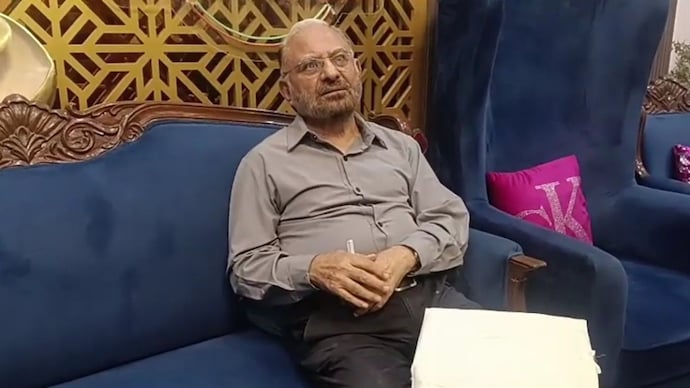
A Bareilly doctor was allegedly targeted in a digital arrest scam involving threats and claims of a ₹2.5 crore terror link.
How Did the Fraudsters Approach the Doctor?
The incident began on Friday evening when the doctor’s father received a telephone call around 7.30 pm to 8 pm. The caller introduced himself as an Anti-Terrorism Squad (ATS) officer and claimed that approximately ₹2.5 crore had been transferred through bank accounts associated with the doctor.
The caller further alleged that the account holders had connections with a terrorist organisation and that the money had been transferred to an account linked to terrorism. The doctor was subsequently contacted and placed under continuous video-call surveillance, with the callers threatening arrest and directing him not to speak to anyone or move his phone away.
How Was the ₹2.5 Crore Transfer Demanded?
The following morning, the doctor spoke to a person claiming to be the chief of the National Investigation Agency (NIA). The caller reportedly assured him that the authorities were satisfied with his cooperation. The fraudsters then described the disputed amount as money laundering proceeds and claimed that its authenticity could be established by matching currency-note numbers.
The doctor was instructed to visit a bank, obtain an RTGS form and enter the specified amount. When he questioned the unusual procedure, the callers insisted that it was necessary for verification. They also asked about the distance to the bank and told him to keep his phone in his pocket while travelling.
What Made the Doctor Suspicious?
The doctor became suspicious of the repeated demands and switched off his phone. Instead of visiting the bank, he contacted his manager and approached the police. He informed cyber police officers about the conversations and the documents resembling certificates that had been sent to his mobile phone.
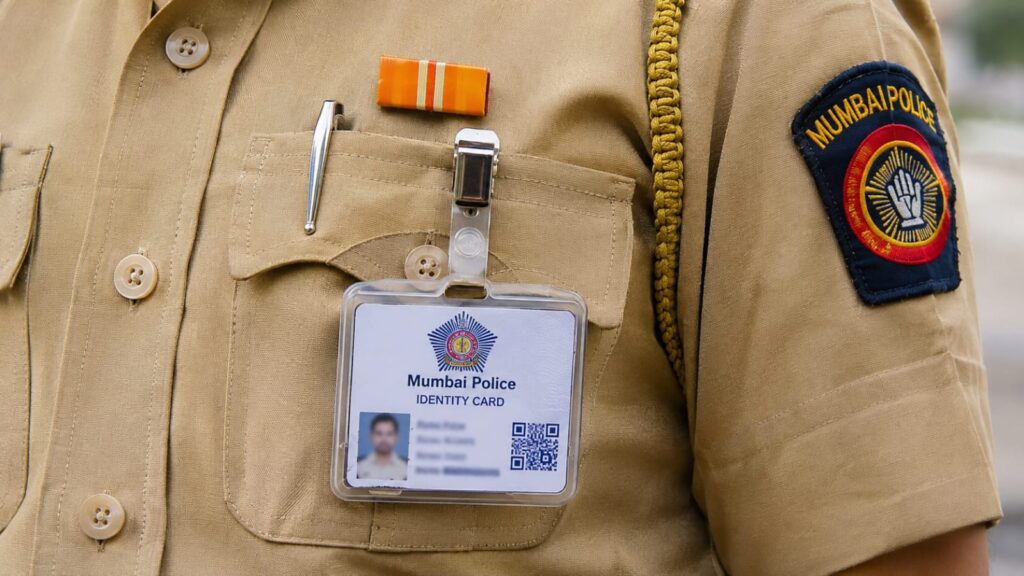
During the calls, one individual reportedly appeared in police-style clothing, although the shoulder insignia did not resemble that of a regular police officer. The callers also claimed that they had arrested terrorists who had identified the doctor as someone who had transferred money to them. The doctor denied having any such account.
What Action Did the Police Take?
According to the doctor’s account, the callers initially threatened arrest but later referred to his age, approximately 70 years, and his respectable position while continuing their demands. They also claimed that a complaint had been forwarded to the CID and other agencies, maintaining pressure through prolonged video calls.
The doctor said the conversation continued until approximately 1 am, when the fraudsters claimed that an NIA chief had left and officials would arrive between 7 am and 9 am. After identifying suspicious behaviour, he approached the police. Cyber police recorded details of the calls and the documents received, and assured him that action would be taken.
The420 Insight
The incident illustrates how criminals can exploit the names of investigative agencies, allegations of terrorism and prolonged video calls to pressure individuals into financial transactions. Unexpected demands for RTGS transfers, threats of immediate arrest and instructions to maintain secrecy should be treated as warning signs of impersonation fraud.