
Follow us on Google News

Cybercriminals are targeting PM Awas Yojana applicants through fake WhatsApp messages promising housing assistance and updates.
How Does the PM Awas Yojana Scam Work?
A reported incident in Jharkhand’s Giridih district has highlighted a WhatsApp-based fraud involving the Pradhan Mantri Awas Yojana (PMAY). A young man received a message claiming that a new beneficiary list had been released and inviting him to check whether his name appeared on it. The message included an attached file presented as information about the government housing scheme.
Believing the message might contain news about housing assistance, he downloaded the file. His WhatsApp account was subsequently compromised, according to the report. Messages were then sent from his number to friends and relatives, requesting money under the pretext of medical emergencies and other urgent personal difficulties.
How Are Fraudsters Misusing Government Schemes?
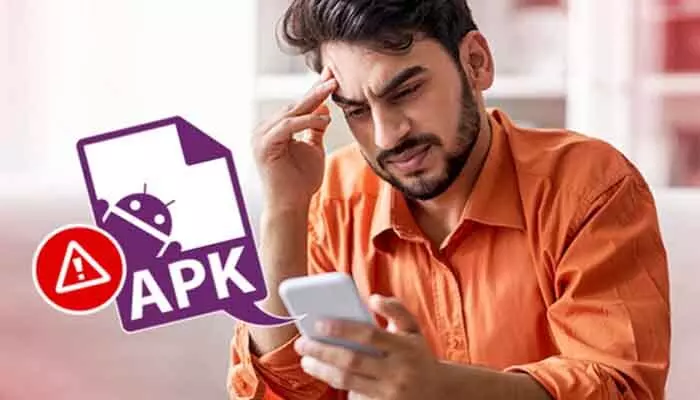
Cybersecurity adviser Rahul Mishra explained that fraudsters exploit the names of government welfare schemes to make their messages appear credible. They circulate purported beneficiary lists, official documents and links through WhatsApp, sometimes attaching malicious Android Package Kit (APK) files disguised as scheme-related information.
When recipients open or install these files, their devices or messaging accounts may be compromised. Criminals can then impersonate victims and approach their contacts for money. The method particularly targets people who have applied for housing assistance or are awaiting confirmation of their names on beneficiary lists.
How Can Applicants Verify Genuine Information?
The report explains that the government does not distribute PM Awas Yojana beneficiary lists through unsolicited WhatsApp messages. Applicants should instead obtain information from official government portals, registered mobile-number notifications and the relevant local administration.
Applicants should retain their registration or application numbers, check their application status and verify beneficiary-list details through authorised channels. They should also confirm the responsible department and official contact information before acting on any communication claiming to concern their housing application.
What Should People Do After Receiving Suspicious Messages?
Recipients should avoid opening unfamiliar links, installing APK files or sharing OTPs and PINs in response to messages claiming to provide PMAY beneficiary information. Fraudsters may create urgency by suggesting that recipients must immediately check their eligibility or complete a payment-related procedure.
Anyone receiving such a message should independently verify the information and avoid transferring money on the basis of an alleged beneficiary-list notification. If an account is compromised, the affected person should secure it, warn contacts and report suspected fraud. The report advises victims of financial cyber fraud to contact the national cybercrime helpline at 1930.
The incident illustrates how criminals can exploit expectations surrounding government benefits to obtain access to personal accounts. Verifying information through official channels remains an important safeguard against fraudulent housing scheme notifications.