
Follow us on Google News

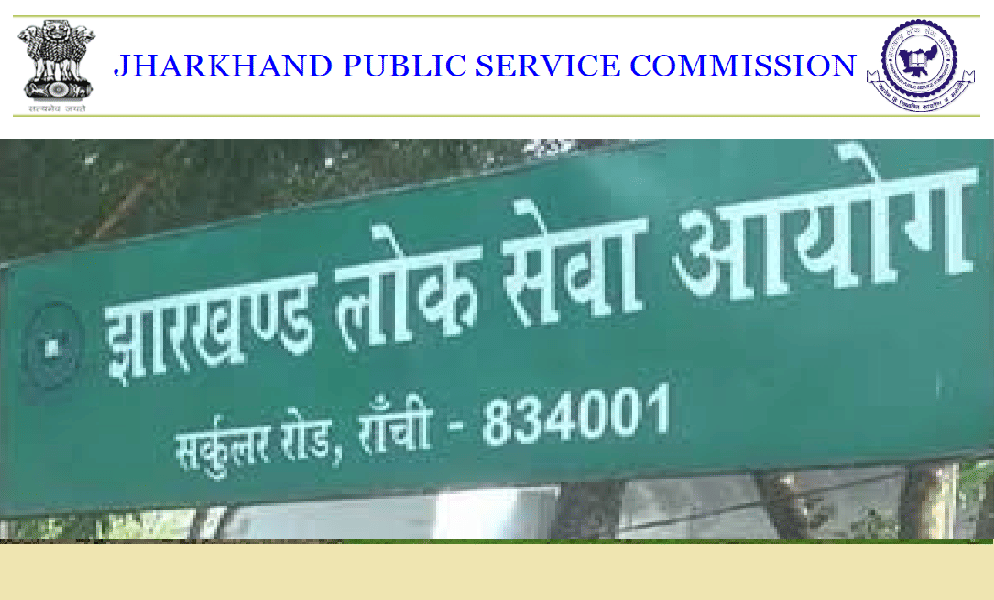
The Crime Investigation Department probing alleged irregularities in Jharkhand Public Service Commission recruitment examinations has uncovered evidence of post-exam tampering in the optical mark recognition sheet of a successful candidate in the 14th Civil Services preliminary examination. Investigators found that the candidate, Gopal Kumar, answered very few questions and sat idle for most of the duration at the examination center, yet most bubbles on his answer sheet were found filled during evaluation. According to the agency, the answer sheet was altered outside the center after the examination ended, a finding corroborated through closed-circuit television footage, bank account statements, and mobile call detail records.
The findings form part of the investigation in CID police station case number 16/2026. Footage from the examination center showed that Gopal Kumar, bearing roll number 2601117950, remained inactive for the greater part of the test and attempted only a minimal number of questions. When his OMR sheet was subsequently evaluated at the commission, however, a majority of the answer bubbles were marked. The stark discrepancy between his conduct inside the examination hall and the evaluated sheet led investigators to allege that the document was manipulated in collusion with individuals involved in conducting the examination.
Bank Loan Taken to Pay Syndicate
Financial records examined during the probe have pointed to monetary transactions linked to the alleged rigging. Statements from Gopal Kumar’s State Bank of India account and an associated loan account revealed that he had taken a bank loan of Rs 8 lakh, which investigators allege was used to pay the examination syndicate for manipulating his result.
Sleuths have analyzed the bank statements to trace when the funds were withdrawn and to whom they were transferred. The financial trail is being linked to the broader conspiracy surrounding the examination irregularities. Technical scrutiny of Gopal’s mobile call detail records also established regular contact with several alleged syndicate members, including Abhay Kumar Tiwari, Lalu Kumar Yadav, Aditya Pandey, Umesh Kumar, and Budheshwar Bhagat. Call logs and location data recorded shortly before the examination and around the declaration of results are being treated as key evidence to piece together how the OMR sheet alteration was planned and executed.
Rs 11 Lakh Paid for Wife’s Recruitment
Statements recorded from co-accused Abhay Kumar Tiwari, described by investigators as the alleged kingpin of the syndicate, have also brought another recruitment transaction under scrutiny. According to Tiwari’s statement, Gopal Kumar paid approximately Rs 11 lakh to middleman Lalu Kumar Yadav to secure his wife’s selection in government recruitment examinations.
The money was allegedly paid to facilitate her selection in the 11th to 13th JPSC examinations and subsequently in the Combined Graduate Level examination. Gopal’s wife was later appointed as an Assistant Section Officer at the Nepal House Secretariat in Ranchi’s Doranda area. The investigating agency is now examining the extent of alleged irregularities in her appointment and identifying the individuals involved.
Exam Agency and Officials Under Scanner
In his statement to investigators, Abhay Kumar Tiwari named Gopal among the candidates whose OMR sheets were allegedly filled after the examination concluded. Tiwari alleged that the manipulation was carried out in collusion with the examination conducting agency, TSR Data Processing Private Limited, and certain officials of the Jharkhand Public Service Commission.
Following these disclosures, the scope of the CID investigation has widened to cover the role of the examination agency and concerned commission officials. Investigators are working to determine who had access to the OMR sheets, at what stage the answers were altered, and how those involved benefited from the arrangement. While the revelations have raised serious questions about transparency in the recruitment process, the allegations remain subject to judicial determination as the CID continues to examine financial, technical, and testimonial evidence.