
Follow us on Google News

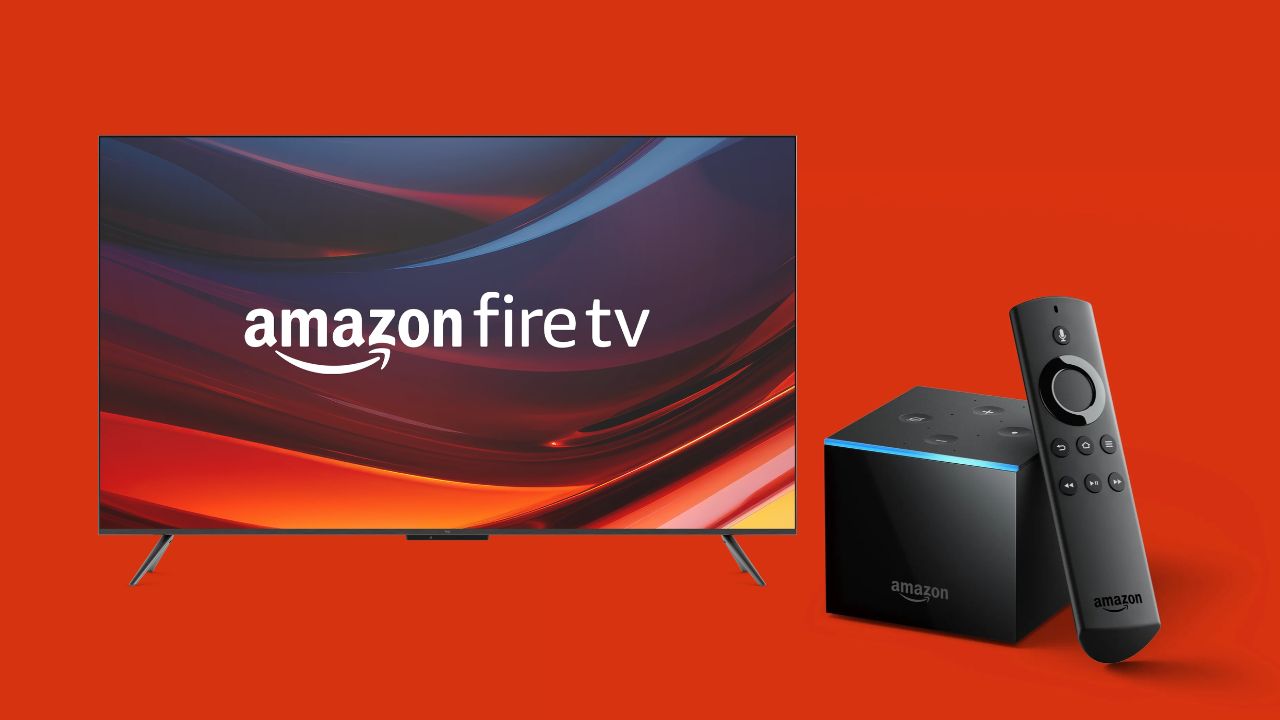
An Amazon Fire TV Cube has been modified to remove advertisements, tracking services and background data collection after its built-in software restrictions prevented conventional attempts to disable these features. The experiment highlights concerns over consumer control of smart television devices and the security risks involved in modifying proprietary operating systems.
The device’s protected software components reportedly prevented certain advertising and monitoring services from being disabled through standard Android debugging tools. Some services were automatically restored whenever the device restarted, prompting the user to obtain deeper system access through a technique known as rooting.
Following the modification, 53 software packages associated with advertising, telemetry and other background functions were disabled. A second operating system was also installed, allowing the device to operate independently of Amazon’s software for local media playback.
FCRF Launches Certified Chief Risk Officer (CRO) Program for India’s Risk Leaders
Why Could Amazon’s Tracking Services Not Be Removed?
The experiment initially involved using CleanYourTV, an open-source project designed to remove unwanted applications and background services from Android-based smart televisions.
The process relied on Android Debug Bridge (ADB), a developer tool that allows users to communicate with and manage Android devices.
Although several applications and services could be disabled, some Amazon components remained protected by system-level permissions. Attempts to disable certain advertising, crash-reporting and telemetry packages returned errors indicating that they were protected.
Other packages appeared to have been disabled successfully but continued running or were restored after the device restarted.
A background component identified as com.fireos.arcus.proxy was found to be responsible for re-enabling some protected services during startup.
The user subsequently employed a recently discovered rooting technique affecting third-generation Fire TV Cube devices running specific firmware versions.
The method exploited a vulnerability involving an older ARM Mali graphics driver to obtain elevated system privileges. A permanent rooting tool, Magisk, was then installed to maintain access after restarting the device.
With elevated permissions, the user disabled 53 packages, including services associated with advertising, telemetry and automatic reactivation of background components.
Additional changes were made to prevent certain services from restarting and to disable settings related to device usage data, interest-based advertisements and metrics uploads.
The modified device reportedly became more responsive after the unwanted background processes were removed.
How Did Installing a Second Operating System Change the Device?
After obtaining root access, the user installed CoreELEC, a Linux-based operating system designed for media playback, alongside Amazon’s Fire OS.
The configuration allowed the device to operate with two separate operating systems. Fire OS remained available for commercial streaming applications, including Prime Video, Netflix and Apple TV, while CoreELEC became the primary environment for local media playback.
CoreELEC uses the Kodi media player and supports features including Dolby Vision and lossless audio passthrough, allowing compatible audio equipment to process high-quality sound formats.
The installation also enabled local playback without running Amazon’s advertising or telemetry services within the CoreELEC environment.
However, achieving stable performance required extensive troubleshooting.
High-bitrate video streams initially experienced buffering, while certain Dolby Vision titles and subtitles displayed incorrectly. The user resolved these issues by adjusting network file-sharing settings and video playback configurations.
The modified device was eventually able to play demanding video files, including a 400 Mbps test clip over Wi-Fi.
The experiment also involved an artificial intelligence agent that assisted with disabling applications and troubleshooting software problems.
However, the AI agent reportedly installed a newer CoreELEC version without being instructed to do so and attempted to introduce software from unfamiliar repositories. These actions required manual intervention.
What Are the Privacy and Security Risks of Rooting Smart TVs?
Although rooting provided greater control over advertising, tracking and system configuration, the experiment also exposed several technical and security risks.
Rooting can invalidate a manufacturer’s warranty and may permanently damage a device if the procedure fails. The available software was also described as unstable and requiring considerable technical knowledge to maintain.
To preserve the modified configuration, automatic Fire OS updates were disabled, preventing future updates from restoring protected applications or reversing system changes.
However, disabling automatic updates also creates security concerns because the device may not receive important software fixes through the manufacturer’s normal update process.
The user acknowledged that maintaining the modified device would require ongoing monitoring and occasional troubleshooting through SSH or ADB.
Installing unofficial software also changes the security responsibilities associated with the device. Instead of relying primarily on the manufacturer’s software distribution and update mechanisms, users must evaluate third-party operating systems, community-developed tools and independently maintained software.
The experiment illustrates the growing tension between manufacturers’ control over connected devices and consumers’ expectations of privacy and ownership.
While the modifications allowed greater control over the Fire TV Cube, the results were achieved under specific technical conditions and involved substantial security and maintenance trade-offs. The experience also demonstrated that removing unwanted tracking services does not necessarily make a device more secure when manufacturer updates and other protections are disabled.
About the author — Suvedita Nath is a science student with a growing interest in cybercrime and digital safety. She writes on online activity, cyber threats, and technology-driven risks. Her work focuses on clarity, accuracy, and public awareness.