
Follow us on Google News

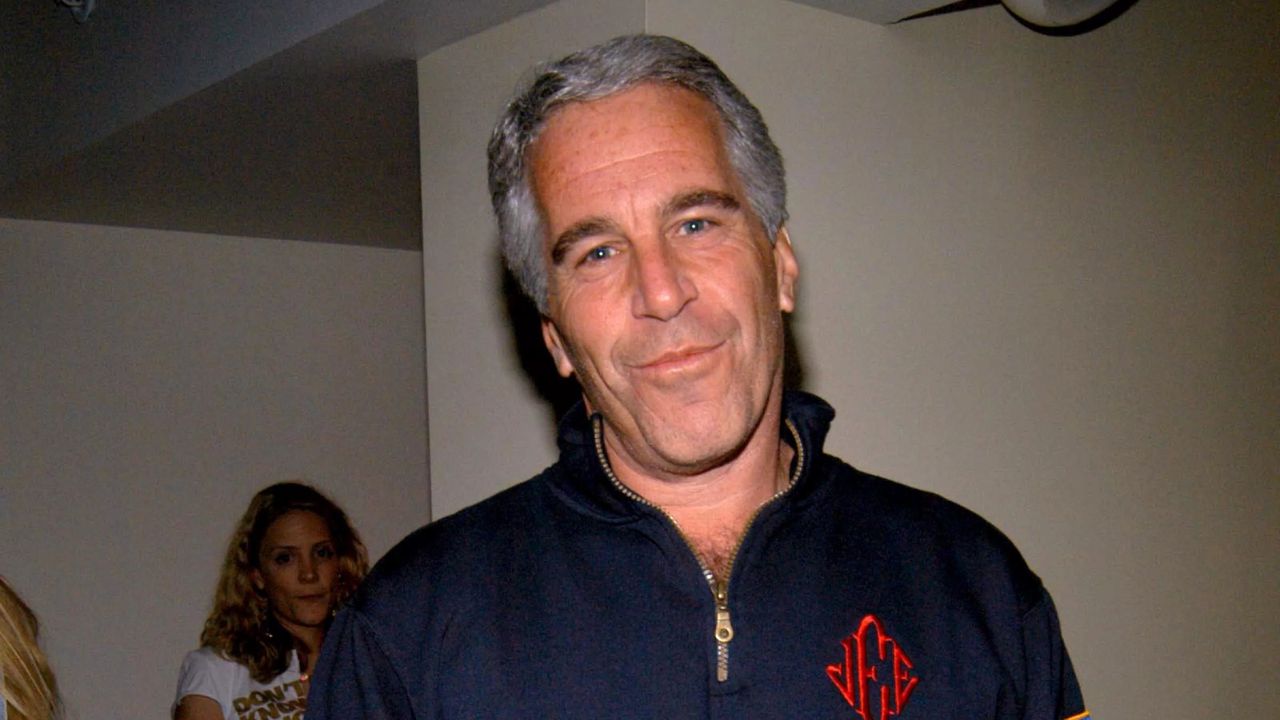
Deutsche Bank handled $582 million in suspicious financial transactions linked to Jeffrey Epstein, more than double the amount previously disclosed, according to leaked internal documents. The findings have renewed scrutiny of Germany’s largest lender over its historical association with the convicted sex offender and its financial compliance practices.
Internal records reveal that the bank filed Suspicious Activity Reports (SARs) with US authorities in 2019, identifying transactions that included payments to women and the suspected misuse of charitable donations.
The revelations emerged on Tuesday following the leak of approximately 15 million internal bank files by anonymous whistleblowers. Deutsche Bank’s shares fell 6 per cent following the disclosures.
FCRF Launches Certified Chief Risk Officer (CRO) Program for India’s Risk Leaders
Suspicious Transactions Exceed Previous Estimates
The value of suspicious transactions identified in the leaked documents substantially exceeds the amount previously disclosed following an investigation by the US Senate Finance Committee.
Investigators working for US Senator Ron Wyden had earlier reported that Deutsche Bank had flagged more than $250 million in suspicious wire transfers flowing into and out of Epstein’s accounts.
The difference between the two figures could reflect the wider scope of the bank’s internal investigation, which covered approximately 3,200 payments.
Suspicious Activity Reports are confidential notifications that banks are required to submit to authorities when they suspect that transactions or customers may be linked to money laundering, fraud or other financial crimes.
Deutsche Bank Projected Millions in Revenue From Epstein
Deutsche Bank accepted Epstein as a client in 2013 despite his 2008 conviction for soliciting prostitution from a minor. Epstein moved to the German lender after JPMorgan Chase ended its banking relationship with him.
His long-standing banker estimated that the relationship could eventually generate between $2 million and $4 million in annual revenue through cash transfers of $100 million to $300 million or more. However, the relationship ultimately proved considerably less lucrative than anticipated.
Deutsche Bank decided to terminate its association with Epstein only at the end of 2018, following renewed media attention to his sexual abuse of girls and young women.
Epstein was found dead in his US jail cell in 2019.
Financial Penalties and Demands for Management Reform
Deutsche Bank has paid more than $200 million in fines and settlements relating to its historical dealings with Epstein, without admitting wrongdoing.
The anonymous whistleblowers responsible for leaking the internal documents said their actions were motivated by the “public interest”. They also called for a “complete overhaul in management and culture” at the bank.
Responding to the disclosures, a Deutsche Bank spokesperson reiterated the lender’s earlier acknowledgement that accepting Epstein as a client in 2013 had been a mistake and expressed regret over its historical association with him.
The bank also maintained that it had cooperated with regulatory authorities, law enforcement agencies and the US Congress in their investigations and had been transparent in addressing the matters.
The latest revelations have renewed questions over Deutsche Bank’s customer due diligence, commercial priorities and the effectiveness of its financial crime compliance mechanisms.
About the author — Suvedita Nath is a science student with a growing interest in cybercrime and digital safety. She writes on online activity, cyber threats, and technology-driven risks. Her work focuses on clarity, accuracy, and public awareness.