
Follow us on Google News

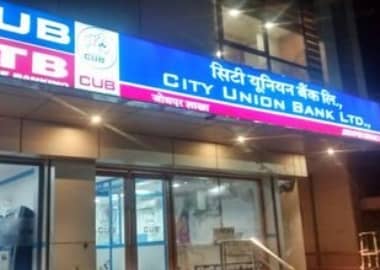
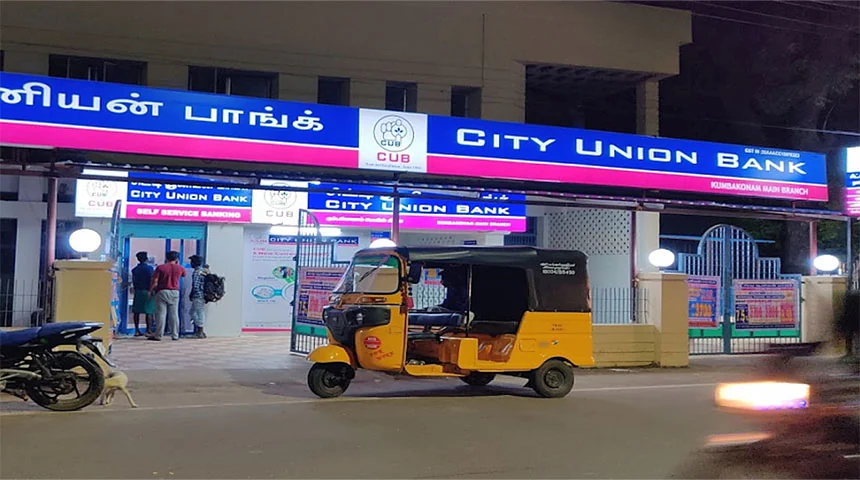
City Union Bank has shut the NEFT and RTGS gateways involved in an incident of unauthorised transfer of customer funds.
What Triggered the Gateway Shutdown?
In a filing to stock exchanges on November 18, 2026, City Union Bank disclosed that an unauthorised transaction had taken place through the National Electronic Funds Transfer (NEFT) system on November 16. The bank launched an investigation immediately after becoming aware of the incident and is working with specialists to determine how the transaction occurred.
Following the detection of the unauthorised transfer, the bank shut down the NEFT and Real Time Gross Settlement (RTGS) gateways concerned. It said the incident had no material impact on its core business, financial performance or business continuity, adding that its core operations continued without disruption.
The bank is monitoring the situation, examining the cause of the incident and taking corrective measures in accordance with applicable legal and regulatory requirements. Meanwhile, its shares rose more than 1% during Thursday’s trading session after closing more than 1% lower in the previous session.
FCRF Launches Certified Chief Risk Officer (CRO) Program for India’s Risk Leaders
How Do NEFT and RTGS Systems Work?
NEFT and RTGS are electronic fund transfer systems operated by the Reserve Bank of India (RBI). Both are widely used for interbank transactions and generally operate round the clock, including on weekends and bank holidays.
While NEFT processes transactions in half-hourly batches, RTGS facilitates the settlement of individual transactions in real time. The RBI has prescribed a minimum transaction amount of ₹2 lakh for RTGS transfers, while no minimum transaction limit applies to NEFT.
What Protection Do Bank Customers Have?
Under the RBI guidelines applicable at the time of the incident, customers bear no financial liability for unauthorised electronic banking transactions resulting from negligence on the part of the bank. Customers may also qualify for zero liability in cases involving third-party breaches if they report the transaction within three working days of receiving the alert.
If a third-party breach is reported within four to seven working days, the customer’s financial liability is capped according to the applicable account category. Banks are also required to provisionally credit the disputed amount within 10 working days of receiving the complaint.
The RBI issued revised regulations in June 2026 to strengthen customer protection against electronic transaction fraud. However, these regulations are scheduled to take effect on January 1, 2027, meaning the City Union Bank incident falls under the earlier regulatory framework. Customers who detect suspicious transactions have been advised to report them immediately through their bank’s official complaint channels.