
Follow us on Google News

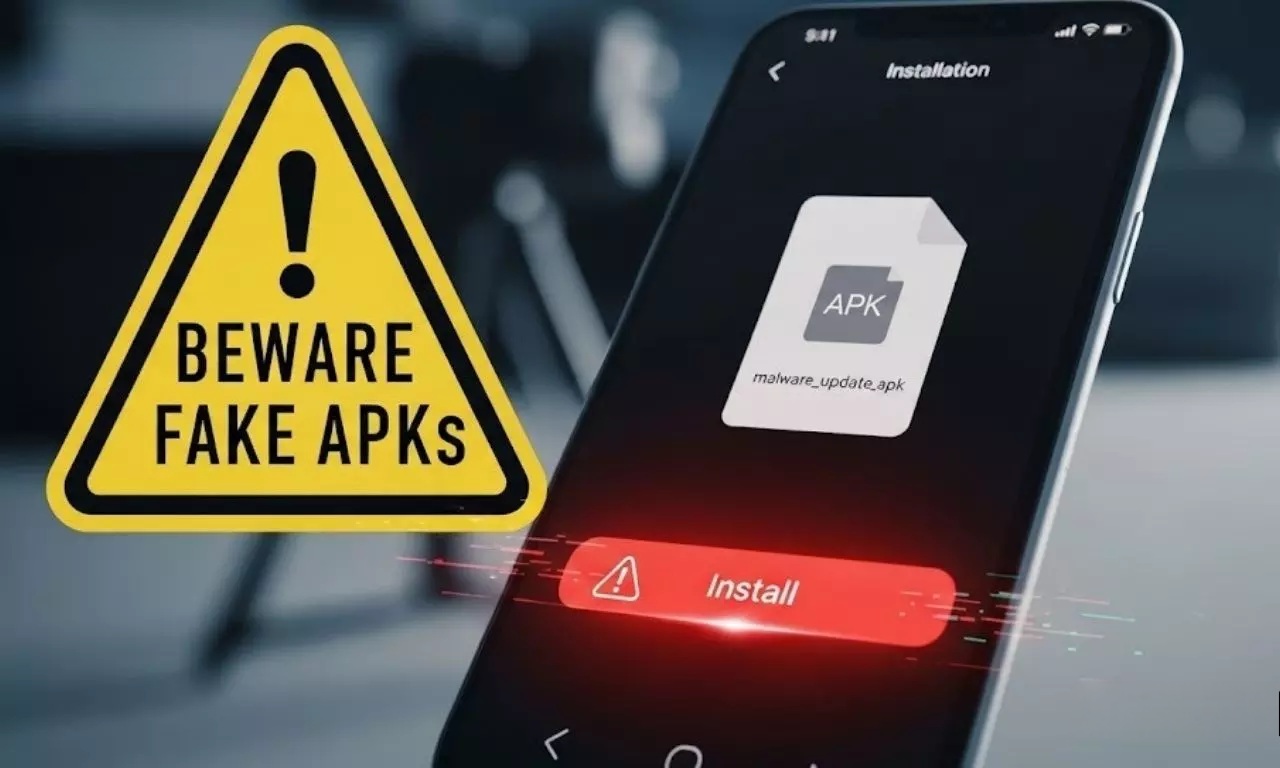
BHOPAL: Cyber criminals in Madhya Pradesh and Chhattisgarh have adopted a new method of online fraud by sending malicious APK files disguised as digital wedding invitations, property search applications, and pension update tools on WhatsApp. Victims who mistake these files for ordinary cards, images, or official government applications end up installing malware on their mobile phones. Once installed, the malicious software allows fraudsters to gain remote access to the device, misuse sensitive banking credentials, and drain money directly from victims’ bank accounts. Multiple incidents reported across both states have raised serious concerns among law enforcement agencies over this growing digital threat.
Fake Wedding Cards and Property Apps Used to Drain Bank Accounts
In Chhattisgarh, a resident lost Rs 98,000 from his bank account after receiving a digital wedding invitation on WhatsApp accompanied by an APK file. Believing it to be a regular invitation card, the victim installed the file, which silently deployed malware and handed device control to the scammers. Similar incidents have surfaced in Rewa and Bhopal in Madhya Pradesh, where compromised devices automatically forwarded the same suspicious files to saved contacts. Because the messages arrived from familiar numbers, several recipients downloaded the files without verification, and in a few cases, fraudsters even used the hacked accounts to solicit money by citing fake emergencies. Meanwhile, in Raipur, a 60-year-old man was cheated of Rs 2.40 lakh after fraudsters persuaded him to download a fake application named VIP City Property on the pretext of showing real estate listings. According to investigating agencies, criminals are replicating banking portals, traffic challan systems, electricity billing platforms, and government schemes to deceive unsuspecting users.
Retired Employees Targeted Through Pension Update Scams
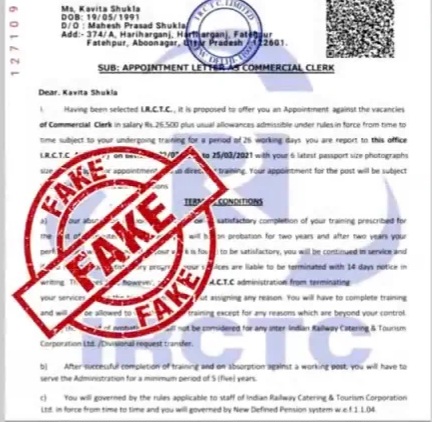
Senior citizens and retired government staff have also emerged as prime targets of this network. Fraudsters pose as department officials, send deceptive links via mobile messages, and instruct elderly victims to install applications to update their pension records or official documents. In Raipur, a retired railway employee was duped of nearly Rs 7.50 lakh after scammers contacted him under the pretext of updating his Pension Payment Order. The accused allegedly gained access to his phone through a fake HRMS application and a banking link before siphoning off the funds. Police officials in Indore and other districts of Madhya Pradesh have warned citizens that APK files are Android application installation packages rather than harmless photos or documents, urging people never to install files sent even by known contacts without prior confirmation.
Police Urge Immediate Reporting and Strict Digital Precautions
Cyber security experts and police authorities have advised citizens to download applications strictly from official app stores or verified government websites. If a message requesting an app download arrives from a friend or relative, users should verify the request through a direct phone call before clicking any link or granting unnecessary device permissions. In the event of an accidental installation or unusual phone activity, experts recommend disconnecting the device from the internet immediately and using a separate, secure phone to alert the bank and freeze digital payment services. Victims of financial cyber fraud are urged to report incidents promptly on the national cyber helpline number 1930 or through the national cybercrime reporting portal, as early reporting significantly improves the chances of blocking stolen funds before they are transferred across multiple accounts.