
Follow us on Google News

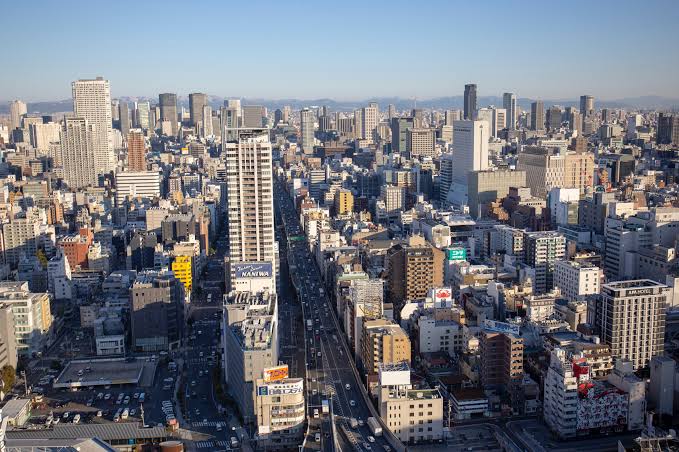
Japan’s Osaka city government has reported a major data breach exposing more than one million email addresses linked to its online administrative services. The incident is part of a wider series of cyberattacks affecting Japanese businesses and government institutions, prompting authorities to strengthen cybersecurity measures nationwide.
The breach involved a third-party technology provider and comes as Japan confronts growing concerns over stolen personal information, fraudulent emails and cybercriminals increasingly using artificial intelligence to identify security weaknesses.
How Were Over One Million Email Addresses Exposed?
According to the Osaka city government, hackers accessed an email distribution service operated by Arara, which was used by TKC Corporation to support administrative services.
https://the420.in/fcrf-certified-chief-ai-officer-second-cohort-november-2026/
The breach affected people who received emails from the city’s system between July 2026 and October 31. Authorities warned Osaka’s approximately 2.8 million residents to remain cautious about suspicious messages claiming to originate from municipal departments. Residents were advised against opening unfamiliar links or downloading attachments from questionable emails.
The incident followed a separate breach disclosed by the Osaka Prefecture government involving information belonging to participants in a food support programme.
The attack on Arara has affected numerous organisations. On November 2, the company disclosed that a cyberattack had exposed approximately 77 million email addresses belonging to nearly 400 customers, including TKC and gaming company Sega.
The compromised email distribution service was also reportedly used to send millions of fraudulent messages impersonating credit card companies and financial institutions.
Why Is Japan Facing a Growing Cybersecurity Crisis?
Japan has experienced repeated cyberattacks targeting major corporations and public institutions, including Japan Airlines, Sony Network Communications and gaming company Capcom. Recent cybersecurity findings indicate that attacks against Japanese systems increased from July and accelerated through October.
Cybersecurity strategist Mihoko Matsubara said approximately 380 million pieces of personal information had been stolen in Japan this year. She warned that substantial volumes of Japanese personal data were already circulating on dark web marketplaces, with some information potentially being used for fraudulent financial transactions.
Researchers have also identified the growing use of artificial intelligence to scan computer networks for vulnerabilities before attacks are launched. Tools including Claude and Artex have reportedly appeared in recent cybercrime activity, although experts cautioned that not every breach could be attributed to AI.
What Measures Is Japan Taking Against Cyberattacks?
Prime Minister Sanae Takaichi recently convened a cabinet meeting on cybersecurity and announced emergency measures to strengthen national digital defences.
The government allocated approximately $62 million towards improving cybersecurity capabilities, including stronger threat detection, information gathering and support for organisations affected by breaches.
Japanese authorities have also urged businesses to report cyber incidents more quickly to government agencies. The government’s response includes plans to improve its ability to detect emerging threats and intervene during significant cyberattacks.
Security experts have welcomed the intervention but stressed that immediate financial assistance alone cannot resolve Japan’s cybersecurity challenges. They argued that sustained investment, stronger institutional cooperation and continuous security improvements would be necessary to protect sensitive information.
The Osaka breach illustrates how an attack against a single technology provider can expose information belonging to millions of people across multiple organisations.