
Follow us on Google News

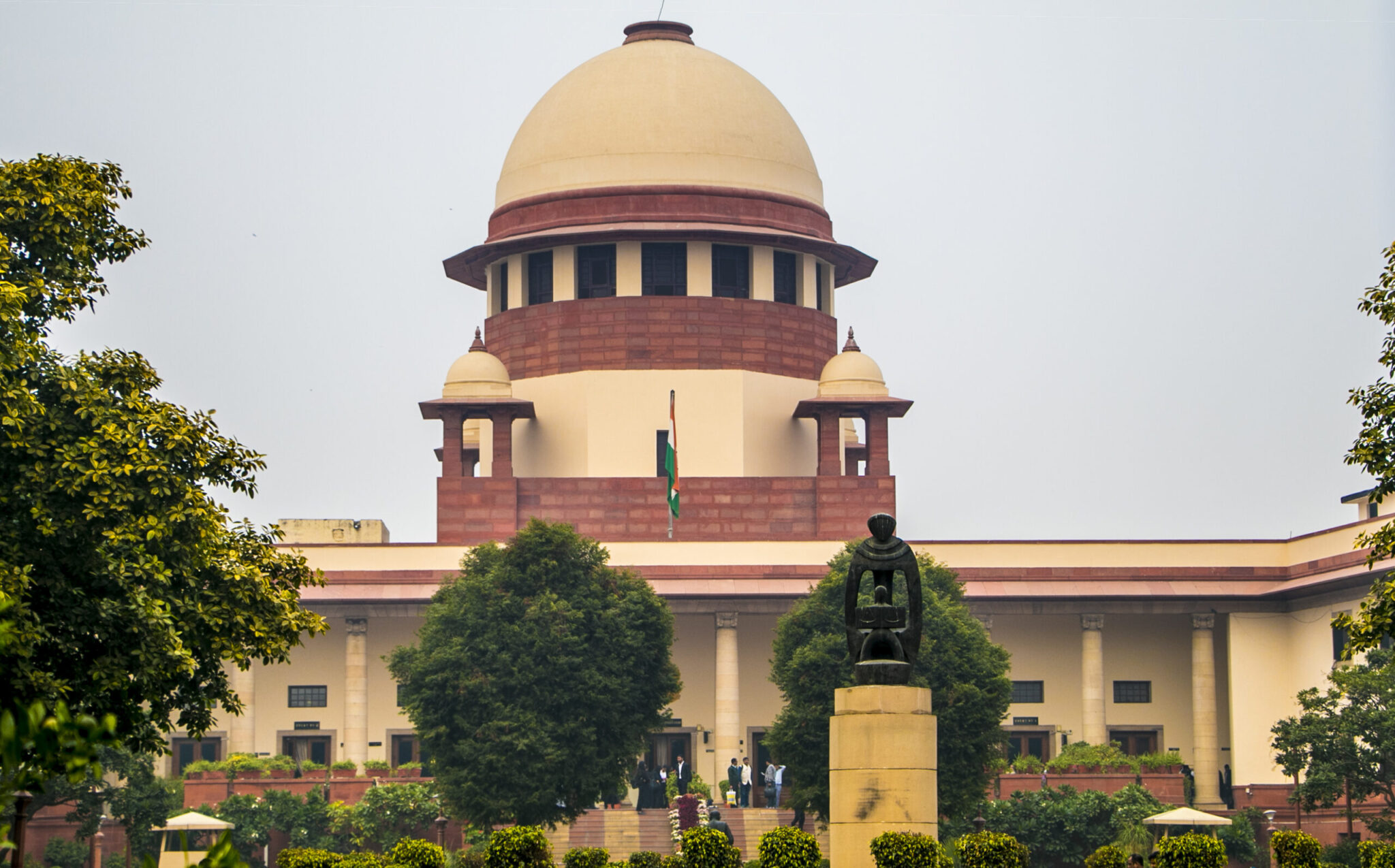
In a landmark ruling underscoring the need to protect journalistic freedom in live broadcasting, the Supreme Court granted bail to senior Telugu journalist Kommineni Srinivasa Rao, who was arrested for allegedly derogatory remarks made by a panelist during his TV show. The Court observed that Rao himself did not make the controversial statement and highlighted the crucial role of the press in democratic discourse.
SC Recognizes Limits of Anchor’s Responsibility in Live Debate
In a significant ruling that reaffirms the boundaries of liability in televised journalism, the Supreme Court bench of Justices Prashant Kumar Mishra and Manmohan granted bail to 70-year-old senior journalist Kommineni Srinivasa Rao (KSR), noting that he was not the originator of the allegedly defamatory statement.
Rao, the host of Live with KSR on Sakshi TV, was arrested on June 7 by Andhra Pradesh police after a panelist on his show made controversial remarks about women protesters in Amaravati. While Rao did not make the comment, nor object to it on-air, he was seen laughing, which police cited as an indirect endorsement.
The Court, however, found no prima facie evidence to justify continued custody. “The right to free speech includes the protection of journalistic functions in live environments,” the bench ruled. It acknowledged the inherent spontaneity of live debates and emphasised that anchors cannot be held criminally liable for every utterance of their guests unless there is direct participation or incitement.
FCRF x CERT-In Roll Out National Cyber Crisis Management Course to Prepare India’s Digital Defenders
Backdrop: Political Tensions and Freedom of Expression
The FIR against Rao stemmed from a politically charged backdrop. The remarks in question were made during a debate on the ongoing protests in Amaravati, the proposed capital of Andhra Pradesh, where a group of women demonstrators had been criticised by a panelist in crude terms. Critics accused the show of facilitating misogynistic and defamatory speech.
The arrest sparked outrage among press associations and civil liberties groups, who warned of a chilling effect on free speech and media independence. Several media watchdogs called it a “pretextual arrest” aimed at silencing criticism amid political tensions in the state.
The ruling Telangana Union of Working Journalists (TUWJ) issued a statement saying, “KSR’s arrest was arbitrary and disproportionate. Holding anchors accountable for third-party speech threatens the democratic function of the media.”
Algoritha: The Most Trusted Name in BFSI Investigations and DFIR Services
What the Supreme Court’s Decision Means for Indian Media
The apex court’s decision, while limited to bail, sets a crucial precedent in defining the contours of accountability for journalists during live discussions. It observed: “The accused did not himself make any defamatory statement. His arrest, solely for failure to object, cannot stand scrutiny under constitutional guarantees of free expression.”
At the same time, the Court issued a caveat that Rao must refrain from making any defamatory statements or facilitating such content in future broadcasts.
This balanced approach both safeguards media freedom and reaffirms the journalist’s ethical responsibility. The trial court may impose further conditions, but Rao’s release is a strong message to law enforcement agencies against using penal provisions to intimidate the press.
The judgment could influence future cases where journalists are targeted for guest comments in a politically volatile atmosphere.
About the author – Prakriti Jha is a student at National Forensic Sciences University, Gandhinagar, currently pursuing B.Sc. LL.B (Hons.) with a keen interest in the intersection of law and data science. She is passionate about exploring how legal frameworks adapt to the evolving challenges of technology and justice.