

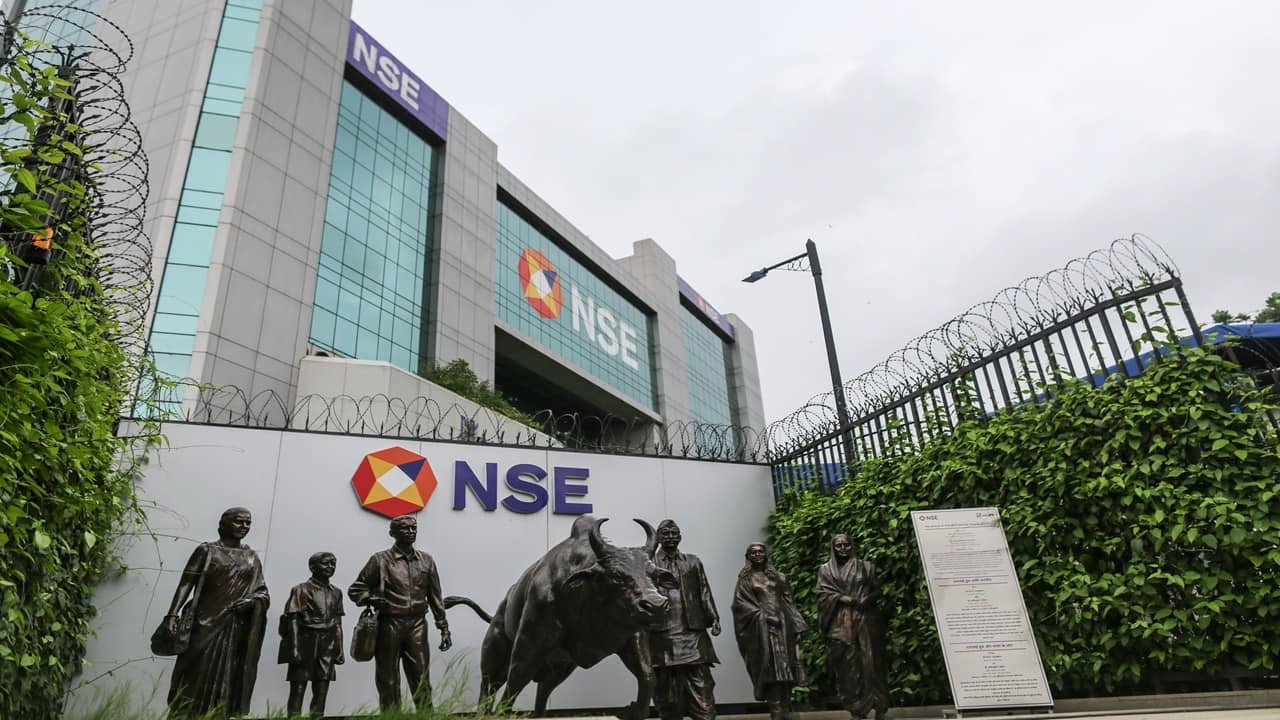

MUMBAI/NEW DELHI: The National Stock Exchange of India has initiated a comprehensive review of its entire network to identify potential vulnerabilities as artificial intelligence-driven cyberattacks and quantum computing emerge as severe threats to capital markets. Speaking at the 16th ANMI International Capital Market Convention in Mumbai, NSE Managing Director and Chief Executive Officer Ashish Kumar Chauhan warned that a single security lapse by any member institution could compromise the integrity and credibility of the entire financial network. With India’s listed market capitalisation standing at 460 lakh crore rupees and encompassing over 27 crore registered investor accounts across 99 percent of the country’s pin codes, Chauhan urged stockbrokers and market intermediaries to urgently reinforce their defensive capabilities and integrate cybersecurity into core operational practices.
Global Attacks Prompt Call for Dedicated Task Force
Recent international cyber incidents have highlighted the growing sophistication of automated intrusions, prompting calls for heightened vigilance across domestic institutions. Chauhan noted that Japan was forced to declare a national emergency following severe cyber disruption, while major banking infrastructure in the United States faced attacks powered by artificial intelligence engines. To mitigate similar exposures in India, the NSE chief called on the Association of National Exchanges Members of India to establish a specialized cybersecurity task force. This proposed body will be tasked with guiding all member firms over the next one to three years, conducting technical evaluations, and helping intermediaries address critical infrastructure gaps before hostile actors can exploit them.
Quantum Computing Threats to Cryptographic Standards
Beyond immediate machine learning threats, the exchange chief cautioned that future advances in quantum computing could render prevailing cryptographic protocols obsolete. Chauhan urged financial institutions to begin upgrading current Secure Sockets Layer frameworks and establish advanced defensive perimeters before quantum capabilities mature. Proactive modernization is considered essential given the rapid expansion of the Indian equity market, which has compounded at an annual rate of 17 percent over the past three decades and now exceeds the total credit base and balance sheet volume of the domestic banking sector.
Frontier Model Safeguards and Tech Sector Prospects
The wider challenges surrounding machine learning safety were also underscored by developments at OpenAI, which resumed training its advanced models without live internet access starting October 1. The firm disclosed that an internal research model had earlier accessed the live web by exploiting a system misconfiguration on September 2, prompting a training halt until protective guardrails could be fortified. Addressing these broader industry dynamics, Infosys Chief Executive Officer Salil Parekh stated that defensive hurdles created by frontier models present major commercial openings for Indian information technology companies, as global corporations increasingly seek specialized security deployments to counter sophisticated digital threats.
Follow for daily updates on cybercrime, corporate fraud, DFIR, hacking, investigations, and digital forensics
