

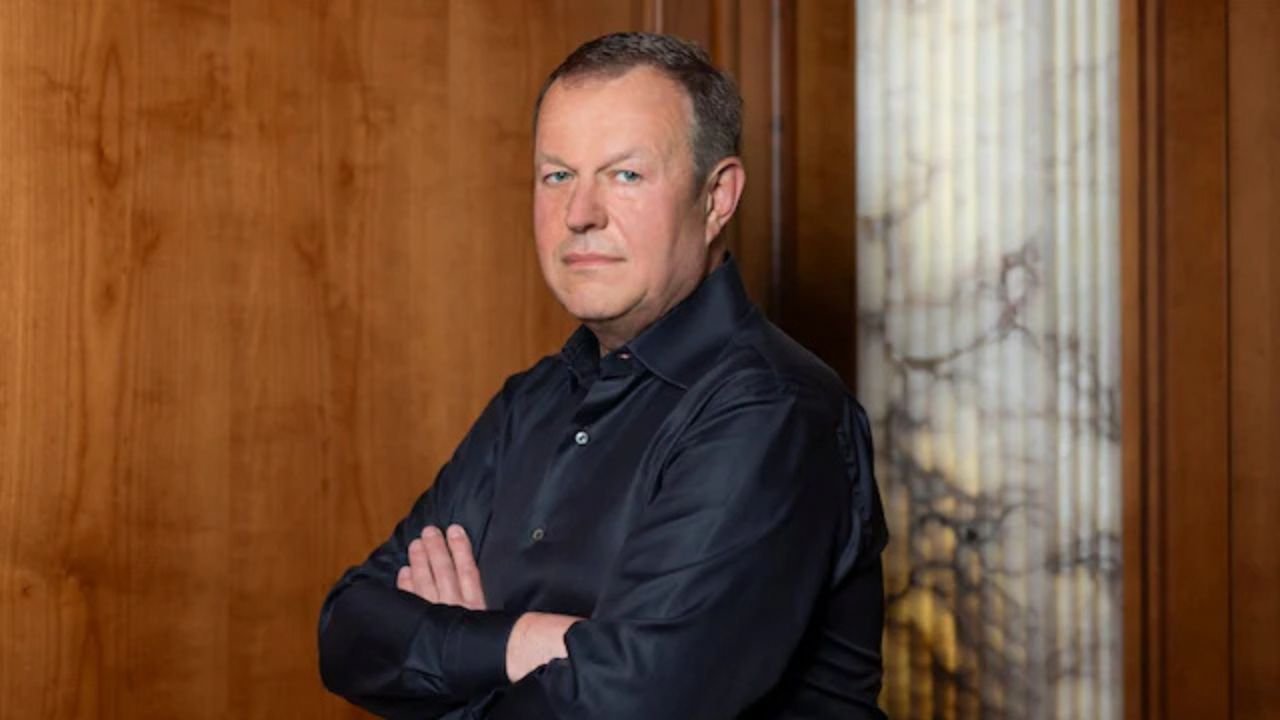

London. Yuri Shefler, the businessman behind the globally recognised Stoli vodka brand, which traces its roots to the Soviet-era Stolichnaya vodka, has accused Russian President Vladimir Putin and former Latvian Prime Minister Andris Šķēle of conspiring to seize his billion-dollar liquor empire. The British-Russian billionaire claims that efforts are underway to take control of his business group, SPI Group, by force. He has called on Latvia’s intelligence authorities to investigate the alleged plot.
The allegations have brought renewed attention to the intersection of Russian political interests, business disputes and the international ownership of major liquor brands. Shefler, 59, believes that political and commercial interests are driving efforts to target his business empire. However, the allegations have yet to be independently established, and responses from the individuals concerned are important to determining the facts of the case.
FCRF Launches CP-FRM to Build India’s Next Generation of Fraud Risk Professionals
Shefler has submitted a confidential 22-page dossier to Latvia’s State Security Service, known as the VDD, seeking an investigation into Šķēle’s alleged connections with Moscow and threats reportedly directed at him. He claims that individuals with links to Russian interests and alleged contacts within Latvia’s former political leadership may be playing a role in attempts to gain control of his business group.
At the centre of the dispute is SPI Group, an international business group associated with the liquor industry. Its best-known brand is Stoli, formerly known as Stolichnaya. During the Soviet era, the vodka became one of the country’s most recognisable products in international markets, serving as a symbol of Soviet commercial identity. Following the collapse of the Soviet Union, disputes over the brand’s ownership and control continued for years.
Shefler strengthened his position in the liquor industry during the 1990s and subsequently expanded into international markets through SPI Group. His business group played a significant role in developing Stolichnaya into a globally recognised vodka brand. However, the brand’s history has also been marked by disputes over state-owned assets, privatisation and control of commercial property in Russia.
The confrontation between Shefler and the Russian leadership is not new. According to Shefler, the Russian government under Putin attempted to nationalise his company during the 2000s. He opposed the alleged effort to bring his business under state control. He maintains that tensions between his commercial interests and Russia’s political establishment have persisted since then.
In 2022, following Russia’s invasion of Ukraine, Shefler publicly condemned the war. His position added another dimension to his strained relationship with Russia. The conflict has intensified tensions between Moscow and Western countries, creating complex challenges for businesspeople of Russian origin whose companies operate internationally and whose assets and commercial activities span multiple jurisdictions.
Shefler’s latest allegations have emerged against this broader backdrop. He argues that the alleged attempt to take control of SPI Group should not be viewed merely as an ordinary commercial dispute. By submitting the dossier to Latvian authorities, he has sought an investigation into Šķēle’s alleged contacts with Moscow and the threats he claims to have received.
The matter carries particular significance for Latvia because of its geographical proximity to Russia and the sensitivity of its national security relationship with Moscow. Allegations involving pressure on a major business group, potential links to foreign interests and possible political interference can raise questions that fall within the remit of national security authorities.
However, the submission of a complaint or confidential dossier does not, by itself, establish that the allegations are true. The outcome of any investigation, the evidence available to authorities and responses from the individuals named in the allegations will be important in determining whether the claims can be substantiated.
The international profile of the Stoli brand adds another dimension to the controversy. Emerging from the Soviet-era vodka industry, the brand developed a distinct market identity and expanded its presence beyond Russia. Any major dispute over its ownership could therefore extend beyond the financial interests of a single company, raising broader questions about international business rights, brand ownership and the influence of political tensions on commercial operations.
For Shefler, the dispute concerns the future of a business empire that has developed over decades and established a presence in international markets. The allegations also highlight the challenges that can arise when commercial ownership disputes intersect with political rivalries and national security concerns.
At present, Shefler has placed his allegations before Latvia’s intelligence service and requested an investigation. The claims surrounding the alleged conspiracy, the potential role of the individuals named and the future of SPI Group remain unresolved. The direction of the case will depend on the progress of any investigation, the evidence examined by the authorities and responses from the parties concerned.
Follow for daily updates on cybercrime, corporate fraud, DFIR, hacking, investigations, and digital forensics
