

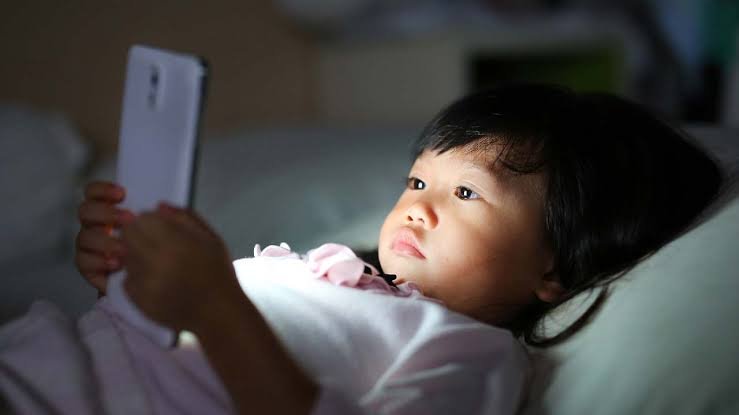
Children showing autism-like symptoms linked to heavy screen exposure are reaching therapy centres, while facilities face staff gaps.
What is being called virtual autism?
Doctors and therapists are using the term “virtual autism” for autism-like symptoms observed in some children with high screen exposure. These may include delayed speech, reduced eye contact, difficulty maintaining social interaction and hyperactivity. The term is not an established medical diagnosis.
Concerns have grown as families report children spending prolonged periods on mobile phones, a pattern that became particularly common during and after the Covid period. Some parents initially gave phones to children to calm them, keep them occupied or play videos, but later noticed behavioural and communication difficulties.
Experts cited in the assessment said symptoms of autism and what is being described as virtual autism can overlap, making careful assessment important.
How widespread is the problem?
A review of facilities in Delhi and six states found similar concerns across government intervention centres. The states examined were Madhya Pradesh, Uttar Pradesh, Bihar, Rajasthan, Gujarat and Maharashtra.
At Bhopal’s District Early Intervention Centre, or DEIC, 31 children with autism came between April and August 2026, but only one case was considered virtual autism. The centre did not have a separate assessment tool specifically for identifying it.
In Delhi, a social worker at a DEIC said cases described as virtual autism had increased by 40 to 50 per cent after Covid, with six to seven such children arriving daily.
Are government centres equipped for therapy?
The findings point to uneven facilities and shortages of trained personnel. Health Ministry data for 2025 showed 451 DEICs across the country. These centres provide therapy for 32 health conditions, but virtual autism is not included separately.
At Bhopal’s government DEIC, posts including occupational therapist, special educator, paediatric and ophthalmic assistant had remained vacant for a year. The absence of a therapist had also left the sensory integration area locked.
In Bihar, the DEIC at Patna’s Guru Gobind Singh Hospital was operating from two rooms. Its manager said occupational therapist and special educator appointments had not been made since 2024, while facilities such as a sensory garden and audiology room were unavailable.
What is happening in other states?
Conditions vary significantly. At Lucknow’s DEIC in King George’s Medical University, seven staff members were working and most essential services were available. The child OPD receives around 70 to 80 children daily, with autism symptoms seen in about 20. Of these, around five to 10 show symptoms described as virtual autism.
In Gujarat, the Gandhinagar DEIC reported an increase in such cases among children above two years. The centre said it had necessary staff and emphasised early intervention.
Rajasthan, meanwhile, is trying to make DEIC services functional at around 23 locations. About eight buildings are ready and awaiting handover.
Why does early intervention matter?
Therapists said shortages of staff can delay treatment and follow-up. Dr Neerata Dubey, a psychologist at a DEIC, said heavy OPD loads and limited staff can make frequent appointments difficult, sometimes pushing follow-ups to 15 days or a month.
A private Bhopal centre reported that before the lockdown it received eight to 15 new virtual-autism cases in a year. After the lockdown, it began receiving 30 to 40 cases a month, including some children displaying severe behavioural problems.
The accounts also describe children who had developed normally before prolonged phone exposure and later experienced speech or behavioural changes. Families said therapy was subsequently started in an effort to improve communication and behaviour.
What should parents watch for?
Parents have been advised to pay attention to early changes, including a child stopping speech after beginning to talk, communicating mainly through gestures, remaining withdrawn, or failing to understand simple instructions after 18 months.
Screen-use guidance cited in the report recommends keeping children up to two years away from screens. For children aged two to five, it recommends no more than one hour daily under parental supervision, while those aged five to 10 should have less than two hours.
Specialists stressed the need for awareness, clearer assessment guidelines and timely intervention rather than assuming every child showing autism-like behaviour has the same condition.
Follow for daily updates on cybercrime, corporate fraud, DFIR, hacking, investigations, and digital forensics
