

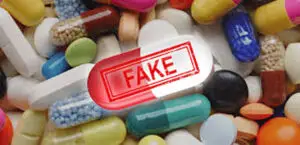
The illegal trade of counterfeit medicines in Uttar Pradesh is emerging as a serious threat to public health. An investigation by the Food Safety and Drug Administration (FSDA) has revealed that the lure of huge profits is driving a network involved in supplying fake medicines across several districts. During the investigation, counterfeit drugs worth nearly ₹20 crore were seized from Lucknow and other locations. Officials said members of the illegal network were allegedly using packaging and branding similar to reputed pharmaceutical companies to push fake medicines into the market.
The investigation has revealed that while genuine medicines provide medical retailers with limited profit margins, counterfeit medicines offer significantly higher returns, encouraging some sellers to distribute such products without proper verification. According to officials, fake drug suppliers provide medicines to retailers at prices far below the printed maximum retail price, allowing sellers to earn unusually high profits.
In one case investigated by the FSDA, counterfeit versions of the blood pressure medicine Telma H were seized. According to the findings, a medicine carrying a printed price of around ₹380 per strip was allegedly supplied to retailers through the fake drug network for only ₹25 to ₹30 per strip. In another case, counterfeit medicines used for treating piles were found to be supplied at around ₹100 per strip despite having a printed market value of approximately ₹980.
Officials said the biggest danger associated with counterfeit medicines is that they either contain extremely low quantities of active pharmaceutical ingredients or may completely lack the required medicinal compounds. Laboratory examinations of several samples reportedly found negligible chemical content. In some cases, ordinary substances were allegedly used to create tablets resembling genuine medicines. Such drugs fail to provide effective treatment and can pose serious health risks to patients.
FSDA teams have conducted operations in several districts, including Agra, Lucknow, Gonda, Lakhimpur Kheri, Maharajganj and Gorakhpur, recovering large consignments of suspected counterfeit medicines. During questioning, investigators reportedly found that some fake medicines were being transported into Uttar Pradesh from states such as Haryana, Rajasthan and Uttarakhand. These medicines were allegedly moved from manufacturing locations to secret warehouses before being distributed to small towns and local medical stores.
Investigators said the supply mechanism of counterfeit medicines differs from the legitimate pharmaceutical chain. Genuine medicine purchases generally involve proper invoices and immediate payments, while fake medicines are often supplied without bills on credit arrangements. Retailers allegedly pay suppliers only after selling the stock, making the illegal network easier to operate and expand.
Renowned cyber crime expert and former IPS officer Prof. Triveni Singh said organised crimes such as counterfeit medicine networks are increasingly using digital methods to operate. Criminal groups use online communication channels, forged documents, fake identities of companies and hidden payment networks to manage their operations. He said that merely seizing fake medicines is not enough and agencies must identify the entire financial trail, supply chain and beneficiaries involved in such illegal activities.
FSDA Commissioner Dr. Roshan Jacob said that continuous investigations are being carried out across Uttar Pradesh to dismantle the counterfeit medicine network. She urged medical store operators to avoid purchasing or selling medicines without proper invoices. Strict action will be taken if medicines without valid documents are found during inspections, she said.
Experts said controlling counterfeit medicines requires stronger monitoring of the pharmaceutical supply chain, digital tracking systems, regular inspections and greater public awareness. Patients have also been advised to check medicine packaging, batch numbers, manufacturer details and purchase bills before buying medicines to reduce the risk of consuming fake products.
