

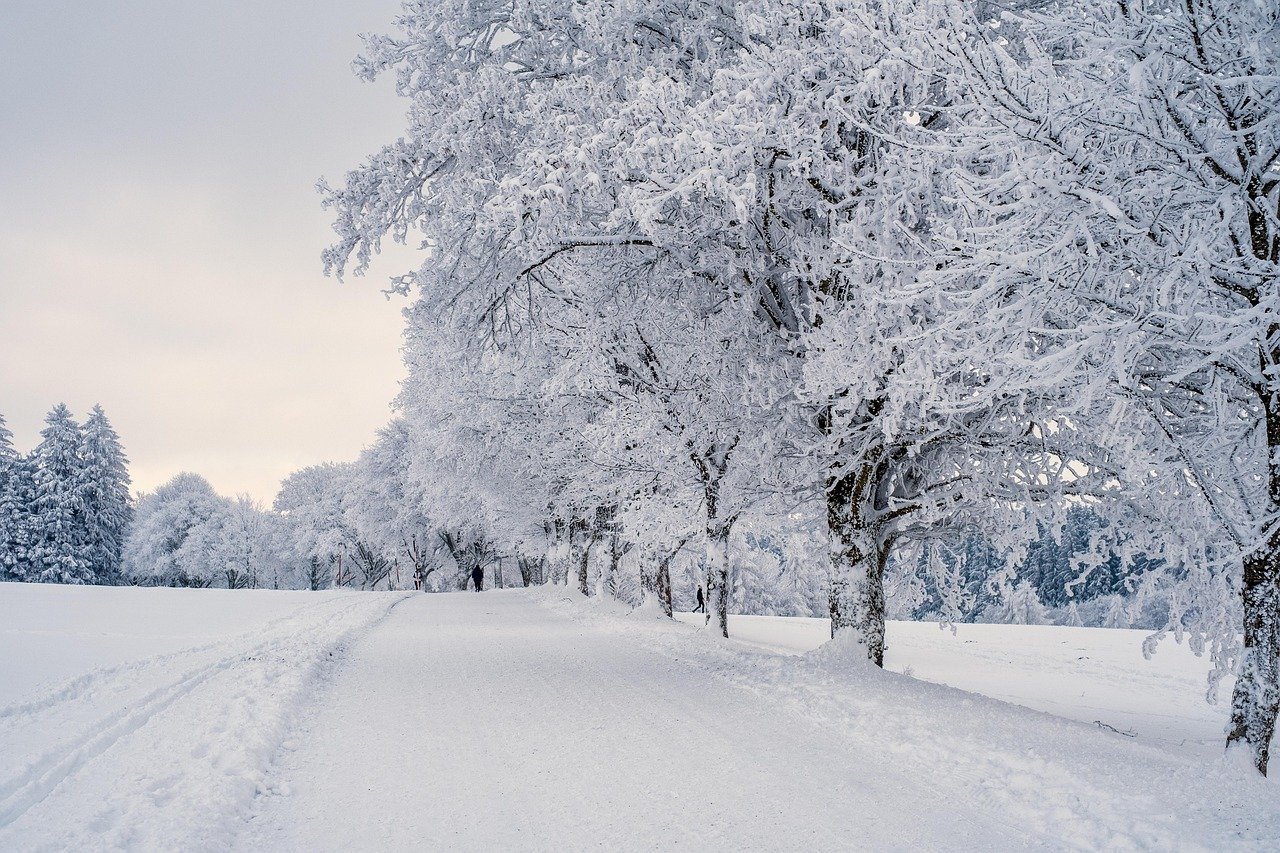
A massive and dangerous winter storm has gripped large parts of the United States, bringing daily life to a near standstill across multiple regions. Heavy snowfall, freezing rain and plunging temperatures have combined to create what meteorologists are calling one of the most severe winter events in years. The scale of disruption is evident in the aviation sector alone, where more than 6,000 domestic and international flights have been cancelled, with thousands more delayed. In response to the rapidly deteriorating situation, emergency declarations have been issued in at least 17 states, with authorities urging residents to remain indoors unless absolutely necessary.
Weather experts warn that the storm system could stretch across 1,500 to 2,000 miles, affecting a vast swathe of the country. From the southern plains through the Midwest and into the eastern seaboard, a dangerous mix of snow, ice and freezing rain is worsening conditions by the hour. Several regions are witnessing temperatures dropping sharply, and forecasts suggest that over half of the US population could soon experience sub-zero conditions.
Certified Cyber Crime Investigator Course Launched by Centre for Police Technology
Emergency measures as authorities brace for the worst
States across the South, Central and Eastern US have activated emergency protocols to deal with the unfolding crisis. Officials have cautioned against non-essential travel and advised residents to prepare for prolonged disruptions. Snow emergencies have been declared in several major cities, with strict orders to clear vehicles from designated routes to allow emergency and snow-clearing services to operate without obstruction.
Local administrations are working round-the-clock, deploying snowploughs, emergency responders and utility crews. Despite these efforts, authorities acknowledge that the scale and intensity of the storm could overwhelm infrastructure in vulnerable areas.
Aviation sector hit hardest
Air travel has emerged as the worst-hit sector. Airports across the country are struggling as runways remain buried under snow and ice. Passengers are stranded for hours inside terminals, while airline schedules have been thrown into chaos. Aviation analysts describe the situation as one of the most disruptive days for US air travel in the past year, with ripple effects likely to continue for days.
Several major airports have issued advisories warning travellers to check flight statuses before heading out, as further cancellations remain possible.
Frozen roads, power outages loom
Road conditions have deteriorated rapidly as thick layers of ice have formed on highways and city streets. Multiple states have temporarily shut down key roadways after a spike in weather-related accidents. Authorities have also warned of widespread power outages, frozen water pipes and the possibility of extended blackouts as the storm intensifies.
Utility companies are on high alert, particularly in regions where freezing rain is expected to coat power lines with ice, increasing the risk of large-scale electricity failures.
Panic buying and closures across cities
Fearing prolonged isolation, residents in several cities rushed to stock up on essentials. Long queues were seen outside grocery stores, and shelves were quickly emptied of bread, milk, bottled water and heating equipment. Educational institutions, including schools, colleges and universities, have been shut pre-emptively in many affected states.
Public transport services in several cities are operating on reduced schedules or have been suspended entirely.
Echoes of the 1993 Superstorm
Meteorologists have drawn parallels between the current system and the infamous 1993 Superstorm, one of the deadliest winter storms in US history. The greatest concern lies in southern states unaccustomed to prolonged freezing conditions, where ice accumulation could prove particularly dangerous. Texas is among the most vulnerable regions, with memories of a deadly cold wave from a few years ago still fresh.
Meanwhile, natural gas prices have surged sharply, reflecting rising demand and mounting pressure on energy supplies. Emergency agencies continue to monitor the situation closely, but it is increasingly clear that this winter storm represents a major test of America’s preparedness and resilience.
About the author – Rehan Khan is a law student and legal journalist with a keen interest in cybercrime, digital fraud, and emerging technology laws. He writes on the intersection of law, cybersecurity, and online safety, focusing on developments that impact individuals and institutions in India.
