


NEW DELHI: The United States could widen its federal inquiry into the alleged misuse of J-1 exchange visitor visas issued to international scholars and foreign researchers, signaling broader regulatory scrutiny across American higher education. Anthony D’Esposito, Inspector General of the US Department of Labor, indicated that additional academic institutions could face investigation following formal proceedings already opened against nine leading universities. Subpoenas have been served, company suspensions executed, and search warrants carried out as federal investigators examine allegations of wage disparities, unauthorized hiring practices, and potential financial irregularities tied to federally funded research projects.
Nine elite universities face scrutiny over hiring practices
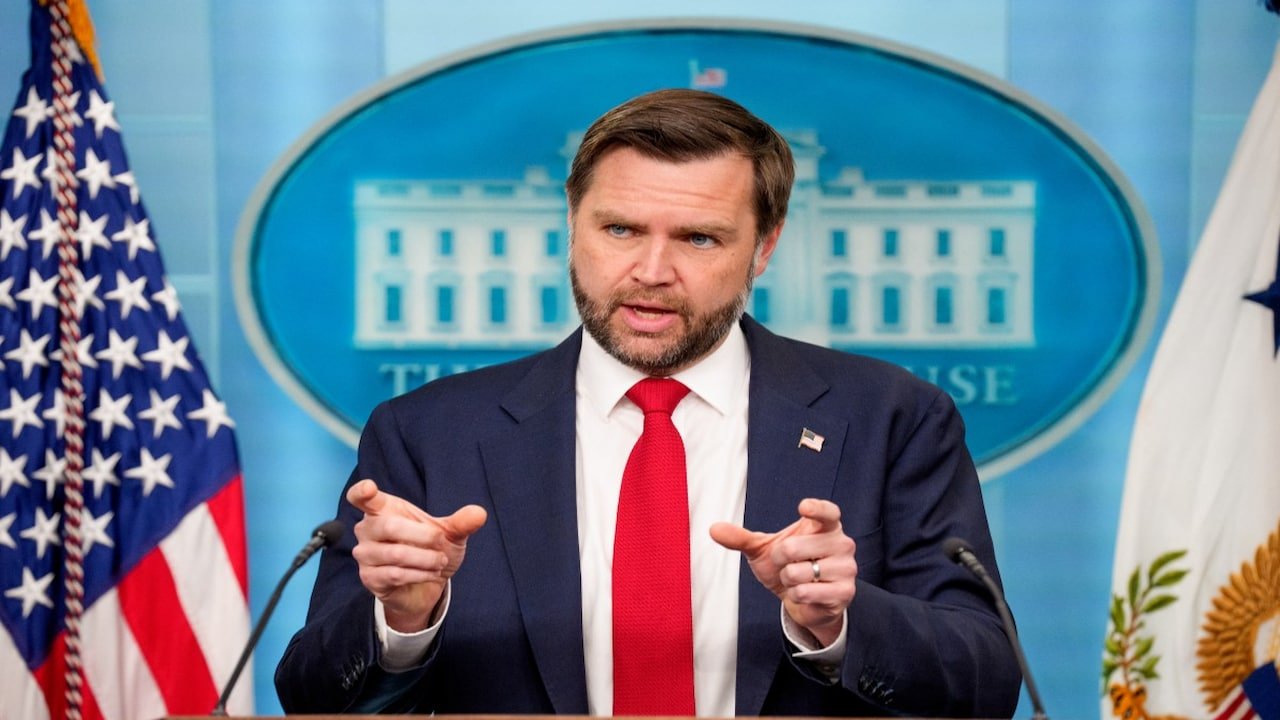
The expanding probe follows an announcement made last Thursday by US Vice President JD Vance, who revealed a coordinated federal review into the deployment of the J-1 visa category across nine elite research institutions. The universities named in the inquiry include Harvard University, Yale University, Stanford University, Brown University, the Massachusetts Institute of Technology, the California Institute of Technology, the University of California, Davis, Arizona State University, and the University of Pittsburgh. Investigators are evaluating whether these academic centers operated outside the legal framework of the exchange visitor system to recruit international talent at discounted remuneration levels or secure unfair financial benefits. Federal officials have emphasized that the initiation of investigative proceedings does not confirm wrongdoing, as formal findings will depend on the evidentiary outcomes established during the inquiry.
Alleged wage disparities and reliance on foreign talent
Central to the federal inquiry is the assertion that international academics face systemic underpayment compared to their domestic counterparts. Vice President Vance claimed that American graduate students and researchers conducting comparable duties at the nine targeted universities earn approximately $20,000 more annually than foreign counterparts admitted under the J-1 category. He further pointed out that foreign nationals constitute roughly 61 percent of all postdoctoral researchers supported by federal research grants at the nine institutions under review, contrasted with a national average of around 38 percent across other US universities. Regulators are assessing whether these employment configurations breached regulatory standards governing fair compensation or whether institutions engaged in improper fiscal practices to leverage lower personnel expenses on grant-funded initiatives.
Multi-agency task force targets research integrity
To coordinate the enforcement initiative, the Department of Labor’s Office of the Inspector General has established a specialized Visa Fraud Strike Team tasked with investigating suspected abuses within high-risk categories, particularly the J-1 and H-1B programmes. The task force unites personnel from the Department of Labor, the Department of Justice, the Department of Homeland Security, US Citizenship and Immigration Services, Homeland Security Investigations, and the State Department’s Diplomatic Security Service. Beyond examining wage structures, investigators are assessing whether visa irregularities, undisclosed financial arrangements, or improper foreign influence have compromised the integrity of research initiatives financed by American taxpayers. With enforcement officials noting that current actions represent an early phase of oversight, universities nationwide face heightened scrutiny regarding their international recruitment procedures and visa compliance standards.
Follow for daily updates on cybercrime, corporate fraud, DFIR, hacking, investigations, and digital forensics
