
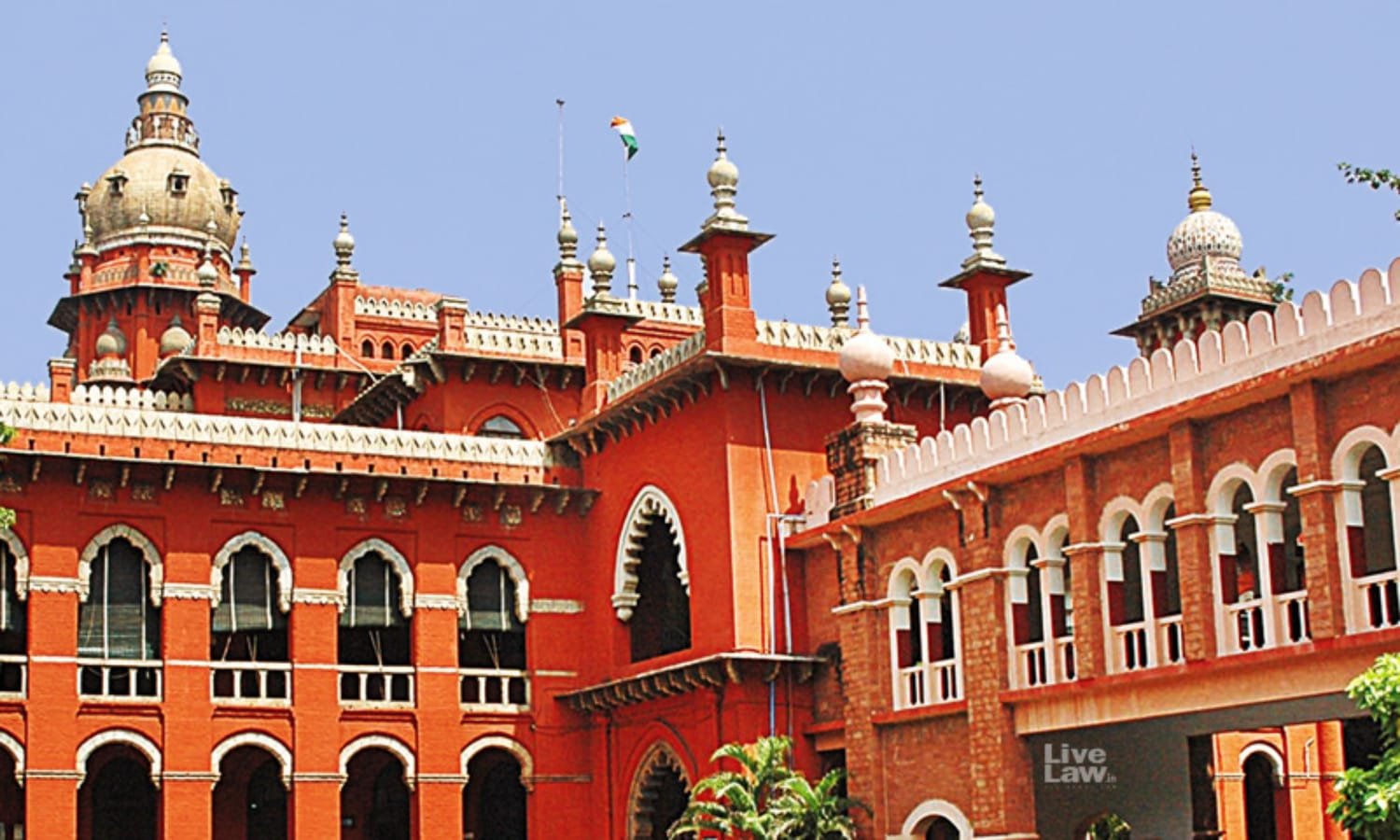
New Delhi: In a significant development in the alleged ₹397 crore transformer procurement scam in Tamil Nadu, the Supreme Court has refused to interfere with the Madras High Court order directing a Central Bureau of Investigation (CBI) probe into the matter. With the apex court declining to stay the order, the investigation into transformer purchase deals executed between 2021 and 2023 will continue under the central agency. The case is linked to the tenure of former Electricity Minister V. Senthil Balaji and is being viewed as one of the most closely watched alleged financial irregularity cases in the state in recent years.
Registration Begins for FutureCrime Summit 2026, India’s Largest Cybercrime Conference
Supreme Court Allows CBI Probe to Continue
The Supreme Court bench comprising Justice Vikram Nath and Justice Sandeep Mehta declined to entertain the plea challenging the Madras High Court’s directive for a CBI inquiry. During the hearing, senior advocate Siddharth Dave, appearing for a Tamil Nadu Generation and Distribution Corporation (TANGEDCO) official, argued that there had been no specific prayer before the High Court seeking a CBI investigation and claimed that the proceedings appeared politically motivated. However, the apex court observed that constitutional courts are empowered to order an independent investigation whenever circumstances justify such intervention.
The Supreme Court further clarified that the investigation must proceed independently and fairly without being influenced by any observations made earlier by the High Court. The bench indicated that transparency and accountability in matters involving public funds and government procurement processes remain essential principles under the rule of law.
Transformer Procurement Under Scanner
The controversy revolves around the procurement of nearly 45,000 distribution transformers by Tamil Nadu Generation and Distribution Corporation (TANGEDCO). Allegations suggest that serious financial irregularities took place during the tendering and procurement process and that certain firms may have received undue benefits. Complaints reportedly pointed toward discrepancies in tender procedures, pricing mechanisms, and supply contracts. Opposition parties and several public interest groups had also been demanding an independent probe into the matter for a considerable period.
Earlier, on April 29, 2026, the Madras High Court had ordered the CBI to conduct a fresh investigation into the alleged scam. The High Court directed the state vigilance and anti-corruption authorities to hand over all related documents to the central agency within two weeks. It also instructed TANGEDCO, the Tamil Nadu government, and associated agencies to fully cooperate with the investigation process.
Tender Records and Financial Trails to Be Examined
Legal and administrative experts believe the Supreme Court’s decision could have wider implications for accountability in large-scale public procurement projects. Questions over transparency in purchases made by public sector undertakings have surfaced repeatedly across different states in recent years. Experts say that if the investigation establishes financial misconduct, it could significantly impact governance standards and procurement oversight mechanisms in the energy sector.
Renowned cyber and financial crime expert and former IPS officer Prof. Triveni Singh said, “In cases involving government procurement, digital records, e-tendering data, banking trails, and contract communications become extremely important evidence. Modern investigative agencies now rely heavily on data analytics and digital forensics to identify where manipulation may have occurred and who benefited from irregular transactions.”
