

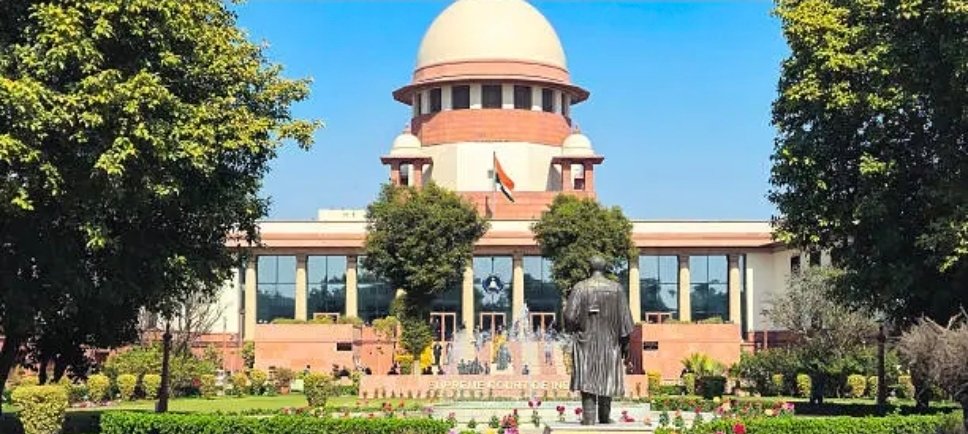
The Supreme Court has ruled that public servants accused of demanding bribes cannot claim protection under Section 17A of the Prevention of Corruption Act.
What Did the Supreme Court Rule?
A bench comprising Justices SVN Bhatti and N Anjaria held that statutory protection requiring prior approval for investigations cannot be extended to public servants accused of demanding bribes.
The court clarified that such protection is intended to prevent officials from facing unjustified investigations over decisions taken while performing their official duties. It cannot be used as a general safeguard against criminal proceedings involving conduct unrelated to those duties. The ruling interprets Section 17A of the Prevention of Corruption Act, which was introduced in 2018.
FCRF Launches CP-FRM to Build India’s Next Generation of Fraud Risk Professionals
What Was the Case Before the Court?
The judgment arose from an appeal filed by a Rajasthan police constable accused of demanding a bribe of ₹1.5 lakh. The constable had challenged the FIR and chargesheet against him, arguing that the proceedings required prior approval under Section 17A.
The Supreme Court dismissed his appeal, rejecting the argument that the statutory provision automatically protected public servants facing criminal allegations. The bench accepted the submissions of Rajasthan Additional Advocate General Sansriti Pathak.
Why Does Section 17A Not Apply?
Section 17A restricts police and investigating agencies from conducting inquiries or investigations without official approval into certain alleged offences connected with decisions or recommendations made by public servants while discharging official duties.
However, the Supreme Court distinguished such official decisions from demands for illegal gratification. The bench observed that demanding a bribe is a criminal act and has no connection with the legitimate performance of official responsibilities.
Writing the judgment, Justice Anjaria held that the constable’s alleged conduct did not fall within the protection provided by Section 17A. The absence of prior approval therefore did not invalidate the proceedings against him.
What Does the Judgment Mean?
The ruling clarifies the limits of statutory protection available to government employees under anti-corruption law. Officials cannot invoke Section 17A merely because they hold public office when the alleged offence involves demanding a bribe rather than making an official decision.
The judgment also distinguishes protection against unwarranted investigations from immunity against criminal allegations.
The Supreme Court’s interpretation reinforces that Section 17A protects legitimate official decision-making, not alleged bribery. By rejecting the constable’s challenge, the court has clarified that prior approval cannot be treated as a blanket requirement for investigating every alleged offence involving a public servant.
Follow for daily updates on cybercrime, corporate fraud, DFIR, hacking, investigations, and digital forensics
