

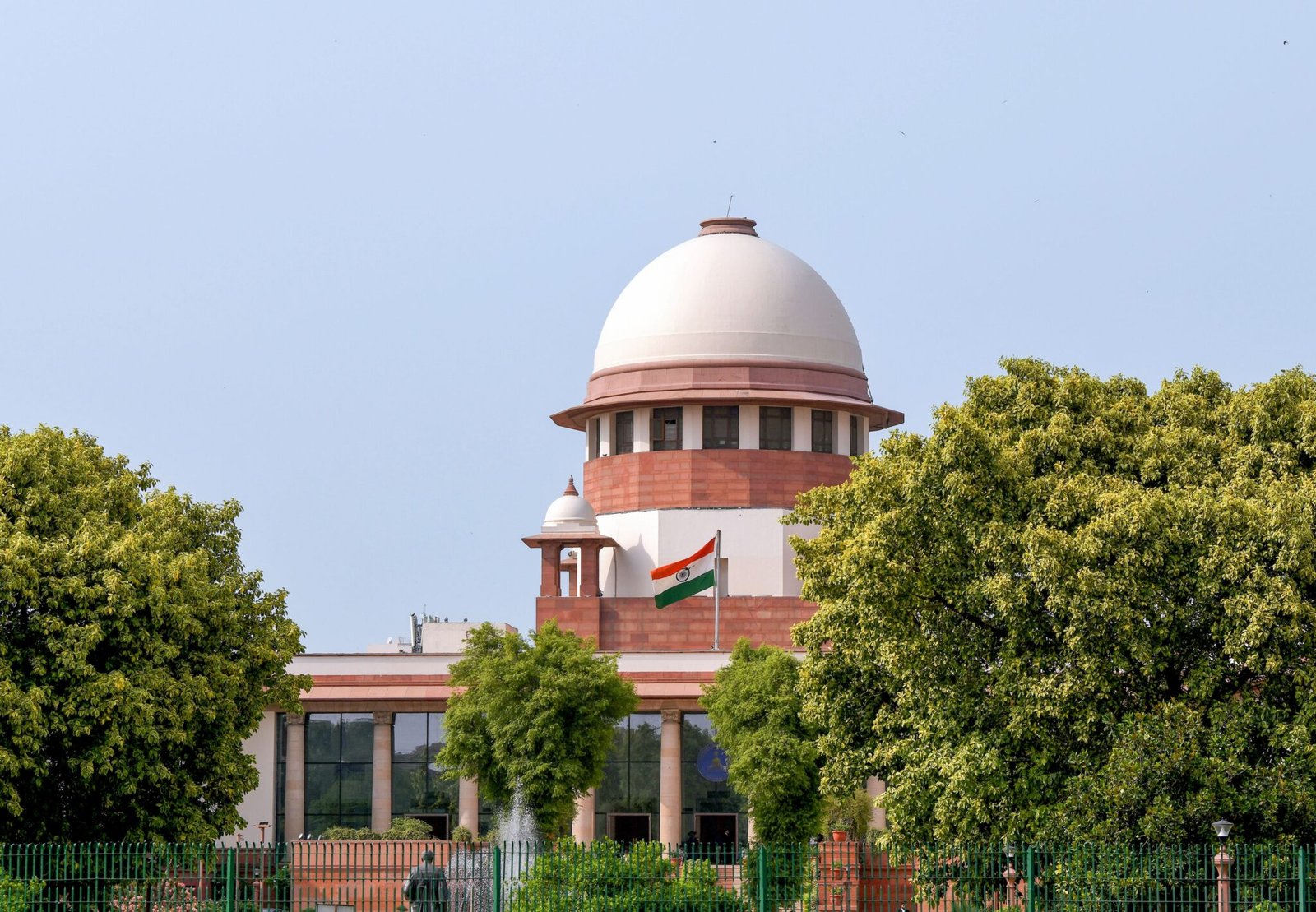

Commercial exploitation and unauthorized extraction of live-streamed court hearings cause serious damage to the judiciary, the Supreme Court observed on Friday while calling for robust safeguards to curb the practice. A bench headed by Chief Justice of India Surya Kant, alongside Justices Joymalya Bagchi and V. Mohana, expressed deep concern over recorded courtroom proceedings being selectively edited, taken out of context, and circulated for personal publicity or financial gain. Addressing the matter during the hearing of a petition against the misuse of court recordings, the Chief Justice noted that the fallout from such distortions, particularly on the relationship between the Bar and the Bench, was difficult to comprehend.
Damage to Institutional Dignity and Context
The bench noted that while live-streaming has broadened public access to judicial proceedings and reinforced transparency, the circulation of truncated video clips poses severe risks to the institution. Selective presentation of judicial remarks often creates misleading impressions about courtroom exchanges, stripping away preceding arguments or subsequent clarifications. The judges cautioned that using judicial recordings for personal branding or commercial benefit undermines public trust and chips away at institutional dignity. The court observed that short clips frequently gain traction across online platforms without their original context, leading viewers to form flawed impressions of how hearings actually unfolded.
Solicitor General Tasked with Gathering Feedback
To establish an effective regulatory framework, the top court directed Solicitor General Tushar Mehta to collect recommendations from High Courts and other relevant stakeholders. Mehta has been instructed to compile these suggestions into a comprehensive response affidavit to be placed before the bench. The exercise aims to devise practical measures that prevent unauthorized extraction, alteration, and monetization of footage without compromising the core objective of court transparency. The bench noted that inputs from across the judicial system will assist the court in assessing appropriate mechanisms to discourage commercially motivated distortions.
Preserving Public Access Without Commercialization
Clarifying the court’s intent, Chief Justice Surya Kant affirmed that the bench does not seek to discontinue live-streaming or stifle public observation. The primary purpose of recording proceedings remains informing citizens and expanding access to justice, rather than feeding commercial interests. The court reiterated that digital broadcasts have enabled citizens across the country to witness hearings without physically attending courtrooms. The ongoing exercise is focused entirely on preventing exploitation and establishing workable guidelines, ensuring that transparency remains protected while safeguards against misuse are reinforced.
Follow for daily updates on cybercrime, corporate fraud, DFIR, hacking, investigations, and digital forensics
