

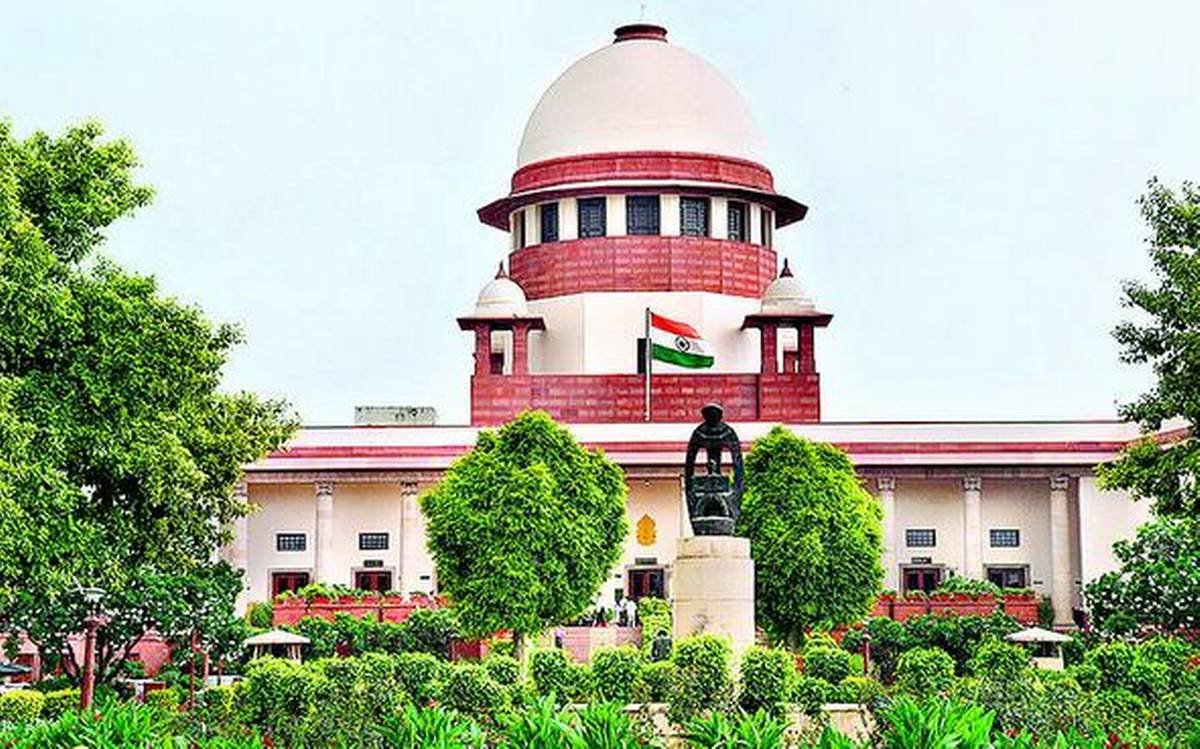

Ranchi: The Supreme Court has raised preliminary objections to Jharkhand’s rules governing the appointment of the Director General of Police, observing that the framework appears prima facie contrary to the law laid down in the landmark Prakash Singh case. Directing that a formal notice be issued to DGP Tadasha Mishra, the bench noted that the central government has also questioned the validity of the state rules. The court observed that the Jharkhand government framed these regulations in 2025 by reading Section 46 of the Police Act, 1861, alongside Section 2, introducing provisions that now face judicial scrutiny.
Conflict with Prakash Singh Verdict
Under the state’s 2025 rules, an officer remains eligible for appointment to the top post even if less than six months of service remains prior to retirement. The bench observed that this specific clause appears directly contrary to the legal principles established by the Supreme Court in the Prakash Singh case. The Union government challenged the validity of this mechanism, pointing out that such relaxed tenure requirements do not align with the court-mandated criteria intended to govern police appointments.
Notice Issued to Tadasha Mishra
The top court noted that if the state rules are quashed, it could have an adverse impact on the appointment of incumbent DGP Tadasha Mishra. Taking this potential outcome into account, the bench stressed that she must be given a fair opportunity to present her side of the case before any final decision is taken. Accordingly, the court directed the Jharkhand government to issue a notice to Mishra, enabling her to appear and submit her response in the matter.
Scrutiny of Appointment Rules Across States
The scope of the proceedings has widened beyond Jharkhand following submissions made by the amicus curiae. The amicus informed the court that the Jharkhand rules contain a special provision that requires detailed examination and sought leave to address the bench on the issue. In response, the Supreme Court instructed the amicus curiae to examine the laws, rules, and regulations enacted by other states regarding DGP appointments, and directed that the actual outcomes and consequences of appointments made under those state frameworks also be evaluated.
Follow for daily updates on cybercrime, corporate fraud, DFIR, hacking, investigations, and digital forensics
