

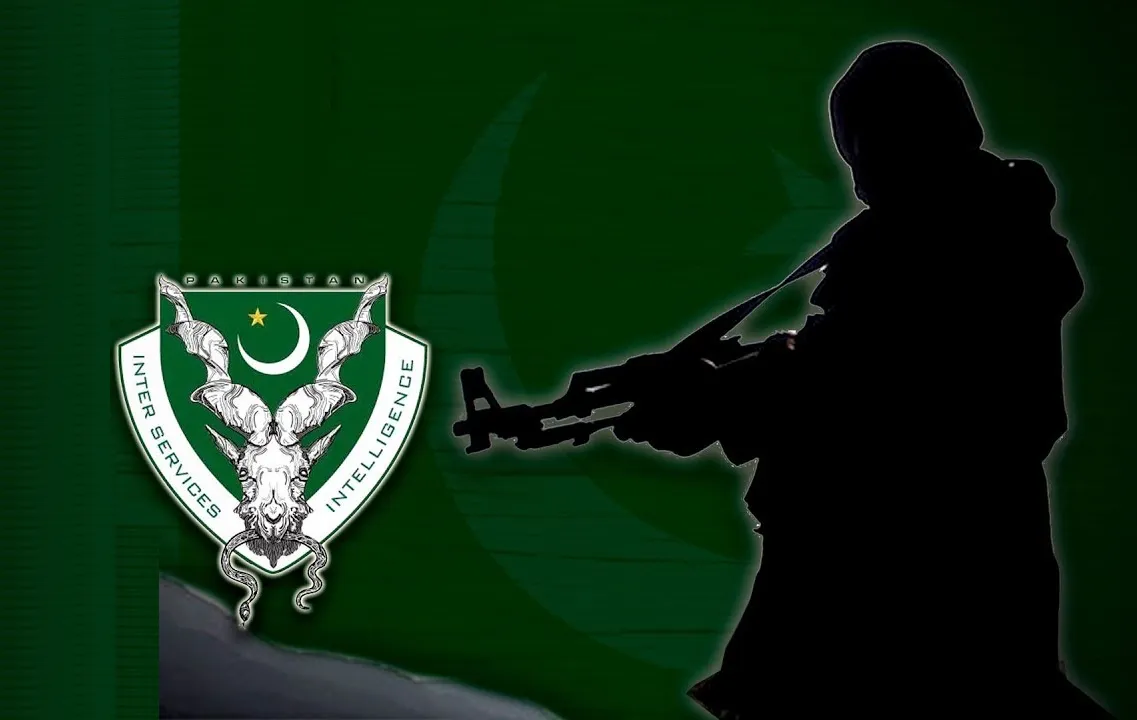
A fresh and alarming intelligence input has put Indian security agencies on high alert, pointing to a possible new espionage strategy allegedly backed by Pakistan’s ISI. The inputs suggest attempts to monitor sensitive military activity by using highway-side establishments such as dhabas, restaurants, and small retail outlets as cover. As multiple states tighten vigilance, the probe into an inter-state terror module has now been taken over by the National Investigation Agency (NIA).
According to sources, five terrorists linked to Lashkar-e-Taiba were arrested on April 7 during a major counter-terror operation in Jammu and Kashmir. The operation was seen as a significant breakthrough for security forces. The NIA has since assumed control of the case to investigate the wider network. The agency has taken all five accused, including two Pakistani nationals, into custody for detailed interrogation. Officials believe the questioning could reveal deeper links and operational plans.
Preliminary findings indicate that the module was not limited to isolated activity but had a broader inter-state footprint. Intelligence inputs suggest that youth were being radicalized and recruited into sleeper cells, with the intent of executing coordinated attacks in the future. The use of decentralized networks and local recruits has raised concerns about the scale and reach of such operations.
Election‑season anxiety in Uttar Pradesh
In a parallel development, inputs from Uttar Pradesh have triggered additional concern. Intelligence agencies and ATS units have reportedly received alerts that extremist elements may attempt to disrupt the UP Assembly Elections 2027. The plan, as per sources, could involve orchestrating incidents aimed at creating unrest in the run-up to the polls. Sleeper cells are believed to be active across regions stretching from Kashmir to Delhi-NCR and parts of Uttar Pradesh.
The most striking aspect of the intelligence trail has emerged from Bihar. The state police headquarters issued an alert on April 24, directing all districts to remain vigilant. Inputs suggest that ISI operatives may be attempting to establish semi-permanent bases along India’s highway network, particularly near sensitive military installations.
Dhabas, shops, and digital surveillance
Under this suspected plan, seemingly ordinary establishments—such as roadside eateries, mobile repair shops, computer outlets, and public service centers—could be used as operational cover. These locations may be equipped with CCTV systems to track troop movement and monitor military logistics. Agencies suspect that such setups could also be used to gather live location data and other sensitive information over time.
While regional authorities maintain that no concrete activity has been confirmed so far, precautionary measures have been intensified. Patrols have been increased, and surveillance has been strengthened in sensitive zones. Local intelligence units are also working to enhance awareness and identify suspicious patterns in commercial setups near strategic locations.
Security experts note that the use of civilian cover for espionage is not new, but advancements in digital surveillance tools have made such tactics far more effective and harder to detect. Small businesses operating in plain sight can serve as ideal fronts for long-term intelligence gathering without raising immediate suspicion.
Overall, the convergence of inputs from multiple regions has prompted a coordinated response from national and state-level agencies. Investigators are now working to connect the dots between the terror module, suspected espionage attempts, and potential threats to electoral processes.
As agencies deepen their probe, the focus remains on neutralizing any emerging risks before they can materialize. The developments serve as a stark reminder of evolving security challenges and the need for constant vigilance in the face of adaptive and covert threats.
Follow for daily updates on cybercrime, corporate fraud, DFIR, hacking, investigations, and digital forensics
