

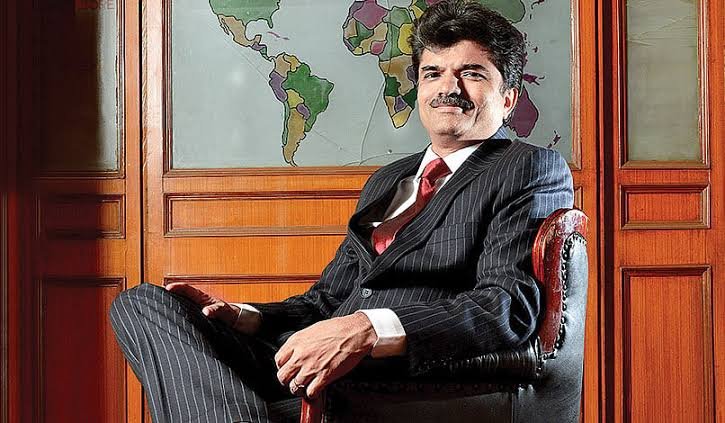

The Securities and Exchange Board of India has extended its restrictions on Rajesh Exports and its chairman, Rajesh Mehta, citing unresolved questions regarding a massive gap between the company’s consolidated revenue and the standalone earnings of its Swiss subsidiary, Valcambi SA. In a final order issued on Wednesday, the capital markets regulator barred Mehta from dealing directly or indirectly in the securities of Rajesh Exports until further notice. SEBI determined that critical disclosures regarding the accuracy, reliability, and completeness of the company’s financial accounts remain unanswered, leaving the measures imposed under an earlier interim order firmly in place.
Widening Disparity in Five-Year Revenue Figures
At the heart of the regulatory action lies an extraordinary divergence in financial figures reported over a five-year period stretching from FY2020-21 to FY2024-25. Rajesh Exports declared a consolidated revenue of ₹15.34 lakh crore during this span, whereas Valcambi SA posted standalone revenue of only ₹3,027 crore. SEBI rejected arguments put forward by the company that differences in the accounting calendars of its Indian and foreign arms caused the variance. The regulator observed that when evaluated over the full five-year timeframe, the vast discrepancy remained fundamentally unaccounted for.
SEBI Whole-Time Member Kamlesh Chandra Varshney noted that the mismatch continues to challenge the verifiability and integrity of the firm’s consolidated balance sheets. The regulator highlighted that the company failed to provide supporting records demonstrating how differing fiscal periods could yield such an imbalance. In addition, the regulator pointed out that the mere existence of audited financial statements does not confirm that the underlying transactions are accurate and complete without direct inspection of supporting primary records.
Critical Documentation Withheld During Regulatory Inquiry
Although the company and associated entities submitted supplementary details following the interim order passed in June, SEBI found the filings inadequate. Significant tranches of requested documentation were withheld, while other records were submitted in formats that prevented proper external verification. The parties attributed these non-disclosures to confidentiality commitments, foreign statutory constraints, and private commercial agreements. SEBI dismissed these justifications, holding that the submissions failed to prove that all legal avenues had been explored to procure and furnish the documents.
The watchdog also identified notable inconsistencies in sales and purchase figures, alongside unaddressed concerns concerning related-party transactions connected to Mehta. SEBI noted that while Mehta had not been found trading in Rajesh Exports shares during this review, this factor did not mitigate the grave issues identified in the corporate disclosures or warrant the withdrawal of the prevailing curbs.
Scrutiny Over Company Funds Channeled via Personal Accounts
Regulatory scrutiny has also intensified around Rajesh Mehta’s personal bank accounts, which were used to channel substantial corporate transactions. SEBI found that the parties failed to submit lawful authorization, formal corporate approvals, or paper trails justifying why company transactions were conducted through private individual accounts.
Complicating matters further, several third-party entities informed the regulator that their business engagements were conducted with Mehta in his personal capacity rather than with Rajesh Exports. SEBI ruled that these dealings require deeper investigation to determine the exact nature and validity of the arrangements. The regulator has instructed all concerned parties to extend complete cooperation to the ongoing forensic audit and regulatory inquiry, noting that any future measures will hinge on the findings of the final forensic report.
Follow for daily updates on cybercrime, corporate fraud, DFIR, hacking, investigations, and digital forensics
