

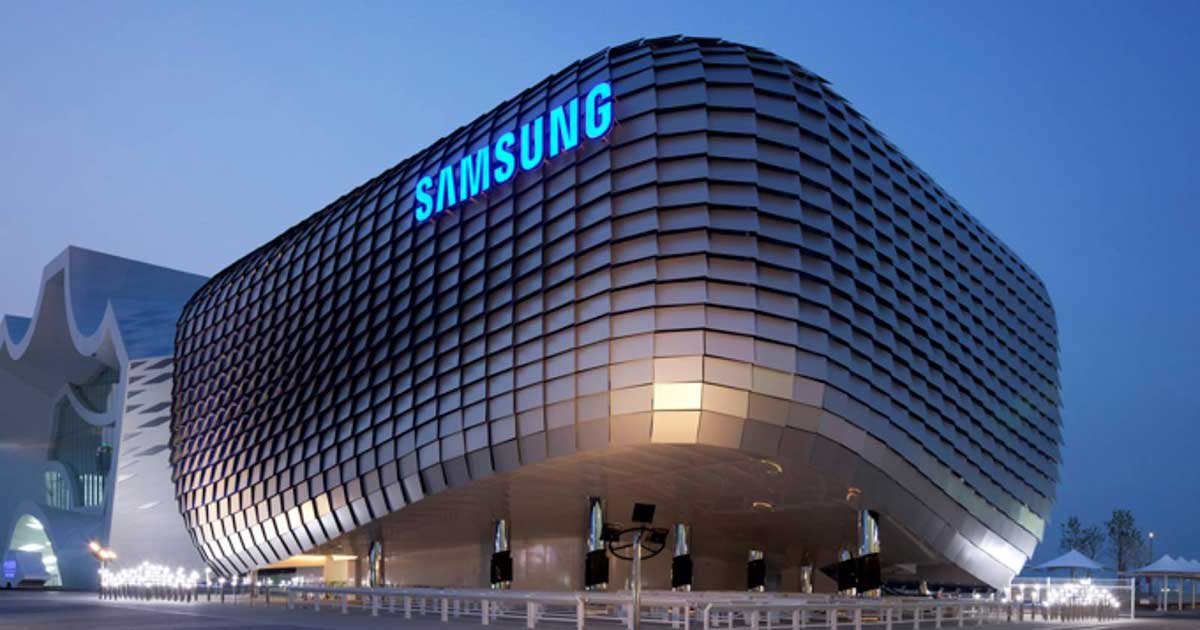
New Delhi: Samsung Electronics America has informed 739 employees at its Englewood Cliffs, New Jersey office that their positions are affected by the company’s decision to relocate its US headquarters to Plano, Texas. While most employees have reportedly been offered relocation opportunities, others have been laid off as part of the restructuring.
The workforce reduction extends beyond New Jersey. At Samsung’s Plano office in Texas, around 100 additional employees, including members of the mobile business division, have also reportedly lost their jobs as the company continues to streamline its US operations.
The restructuring reflects the contrasting performance of Samsung’s business segments. The company’s semiconductor division is expected to report a nearly 19-fold increase in second-quarter operating profit, driven by strong global demand for artificial intelligence (AI) chips and advanced memory products.
In contrast, Samsung’s mobile business is reportedly facing significant challenges and is expected to record its first operating loss, amid intense competition from Apple and leading Chinese smartphone manufacturers. The company’s television and home appliance businesses are also facing pressure from aggressive pricing and slowing consumer demand.
Industry analysts note that the rapid expansion of AI infrastructure has increased demand for high-end semiconductor components, but has also pushed up chip costs, affecting profit margins across Samsung’s consumer electronics portfolio.
The headquarters relocation has drawn particular attention because many employees in New Jersey had moved into newly renovated office facilities less than a year ago as part of the company’s earlier expansion plans. The sudden relocation has raised concerns among employees about the possibility of additional workforce consolidation in the future.
Samsung has not publicly indicated whether further layoffs will follow. However, the company is continuing to realign its global operations as it prioritises investment in artificial intelligence, semiconductor manufacturing, and other high-growth technology businesses while addressing competitive pressures in its consumer electronics divisions.
