
Amid rising concerns over global cyber espionage, U.S. authorities have revealed a large-scale campaign allegedly linked to Russian intelligence agencies targeting users of messaging applications. The operation is said to focus on “high-value targets,” including government officials, military personnel, political figures, and journalists.
According to investigators, the campaign has already resulted in unauthorized access to thousands of accounts. Once compromised, attackers can read private messages, access contact lists, and even impersonate victims to target others within their network.
Phishing at the core of the operation
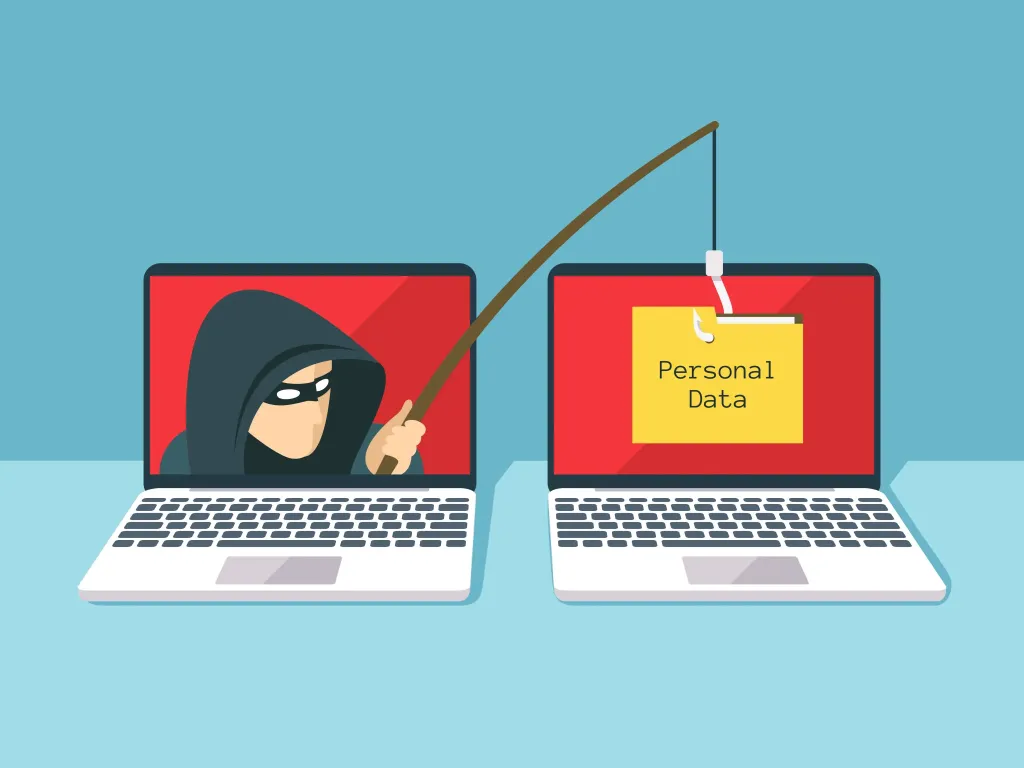
Preliminary findings indicate that phishing remains the primary method used in the campaign. Attackers pose as trusted contacts and trick users into sharing security codes or verification details. As soon as this information is disclosed, control over the account is effectively transferred to the attackers.
Encrypted messaging platforms such as Signal and WhatsApp are reportedly among the key targets. Given their widespread use for secure communication, breaches on these platforms raise serious security concerns.
FCRF Launches Premier CISO Certification Amid Rising Demand for Cybersecurity Leadership
A global and coordinated cyber effort
European intelligence agencies have also confirmed similar attack patterns, suggesting that the campaign is part of a broader, coordinated international effort. Officials believe that the scope extends beyond the United States, with individuals of strategic importance in multiple countries being targeted.
Experts say such operations are not limited to intelligence gathering but are often aimed at gaining long-term strategic advantages through access to sensitive information.
Cyberattacks as a pillar of hybrid warfare
Analysts note that cyber operations are increasingly becoming a central component of modern warfare. Since the escalation of conflict between Russia and Ukraine, cyber activities have intensified significantly.
These attacks are not only directed at government systems but also target civilian infrastructure, communication networks, and even electoral processes. Such tactics are widely viewed as part of “hybrid warfare,” where military, digital, and informational strategies are deployed simultaneously.
Risks to sensitive information and national security
Once an account is compromised, attackers gain access to private conversations, group chats, and potentially classified communications. This poses serious risks not just to individuals but also to national security frameworks.
Additionally, hijacked accounts can be used to launch further phishing attacks or spread misinformation, amplifying the scale and impact of the breach.
Vigilance remains the best defense
Cybersecurity experts stress the importance of user awareness and caution. Individuals are advised to verify any suspicious messages, avoid sharing verification codes, and refrain from clicking on unknown links.
Enabling two-factor authentication, regularly updating passwords, and relying only on official sources for app downloads can significantly reduce the risk of such attacks.
The incident underscores the growing complexity of digital security threats, where even a minor lapse in judgment can lead to large-scale breaches with far-reaching consequences.
