
Stay ahead with our breaking stories and exclusive coverage prioritized on Google.
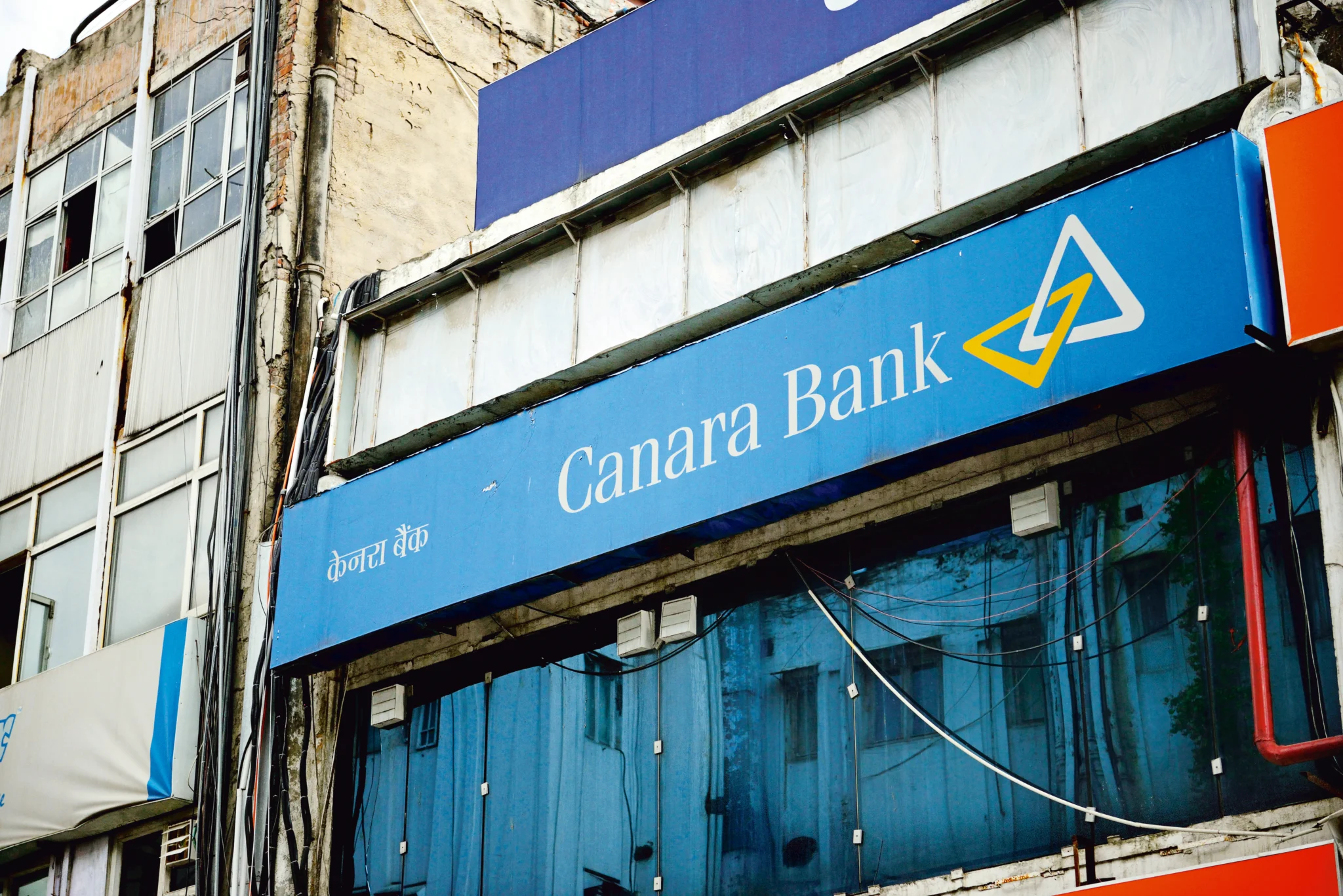
Add The420 on Google →An 89-year-old retired CAG officer in Mumbai lost ₹5.56 lakh after receiving a fraudulent Canara Bank pension card message.
How Did the Fraud Begin?
The victim, Pandurang Dhopeshwarkar, a retired officer of the Comptroller and Auditor General (CAG), was allegedly cheated of ₹5,56,626 at his residence in Mulund East, Mumbai. According to police, Dhopeshwarkar retired in 1995 and lives with his 80-year-old wife.
The incident began around 11.15 am on November 25, when he received a telephone call from an unidentified number. The caller claimed to represent Canara Bank and offered him a senior citizen card. Dhopeshwarkar declined the offer. However, approximately five minutes later, he received another call through WhatsApp from a different number displaying the Canara Bank logo.
The second caller offered a new card promising medical and railway travel benefits, presenting it as a banking service intended for senior citizens.
FCRF Launches Certified Chief Risk Officer (CRO) Program for India’s Risk Leaders
How Was the Money Withdrawn?
During the WhatsApp conversation, Dhopeshwarkar received a file titled “CANARA PENSION CARD UPDATE APK”. Believing the communication to be associated with the bank because of its displayed logo, he attempted to open the file on his mobile phone.
The file did not open, prompting him to disconnect the call. However, within five to ten minutes, he began receiving debit notifications on his bank-linked mobile number. Five unauthorised Unified Payments Interface (UPI) transactions subsequently resulted in a combined loss of ₹5,56,626.
The money was withdrawn from his Canara Bank pension and savings accounts. The fraudulent transactions occurred shortly after the suspicious file was received, despite the complainant having ended the conversation.
What Action Did Police Take?
After discovering the unauthorised withdrawals, Dhopeshwarkar reported the incident through the national cybercrime helpline, 1930. He subsequently approached Navghar police station in Mumbai to lodge a formal complaint.
Police registered a First Information Report (FIR) on November 26, recording the circumstances surrounding the suspicious calls, WhatsApp message and subsequent financial transactions.
The complaint concerns an alleged banking impersonation fraud in which unidentified callers used the bank’s name and logo to gain the victim’s confidence before sending an APK file. The case highlights the risks associated with unsolicited banking communications and suspicious files delivered through messaging applications.