
Stay ahead with our breaking stories and exclusive coverage prioritized on Google.
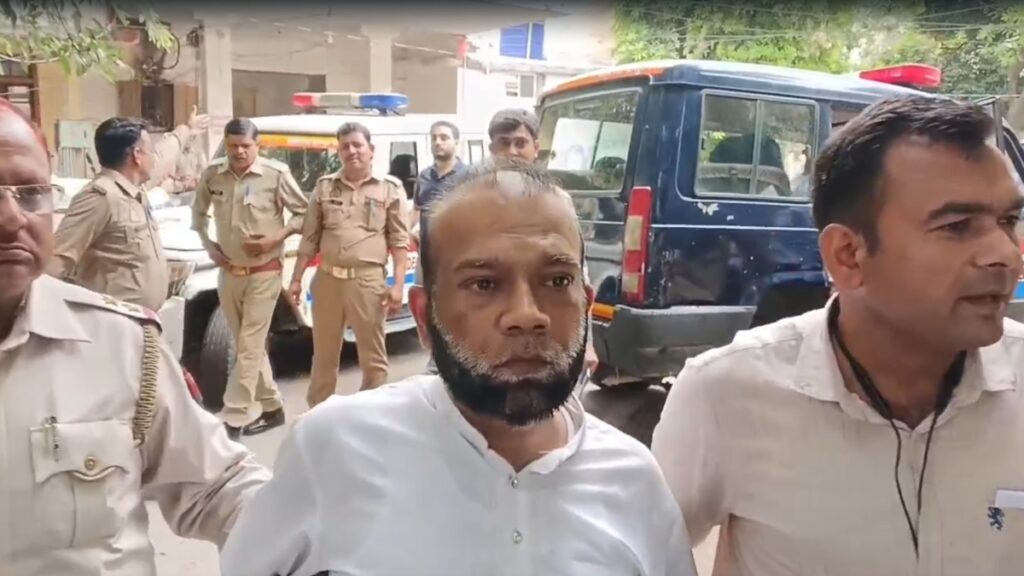
Add The420 on Google →Chandigarh: Police investigating an alleged Rs 109 crore cyber fraud involving bank accounts of Panchayati Raj Institutions in Haryana are examining the possible role of an international cybercrime group named Crafty Falcon. Preliminary findings suggest the group may have links to China, though authorities have not yet publicly identified any of its members or confirmed a Chinese connection. So far, police have arrested eight suspects from Bihar, Haryana, and Rajasthan in connection with the case.
Investigators found that funds were allegedly diverted through unauthorized transactions from accounts belonging to gram panchayats, panchayat samitis, and zila parishads held with Punjab National Bank (PNB). Confirming that an international angle is part of the probe, the Panchkula Police Commissioner stated that Crafty Falcon’s name surfaced during initial inquiries, and efforts are underway to establish its network and involvement.
Accounts Shifted to PNB Earlier This Year
The incident has drawn heightened scrutiny because the Haryana government had moved Panchayati Raj Institution accounts to PNB only a few months ago. Following an alleged Rs 590 crore banking scam linked to IDFC First Bank, the state government directed departments to transfer their funds to safer banks, leading to the shift of panchayat department accounts to PNB in June. The emergence of alleged fraud in those newly transferred accounts has raised fresh questions over banking security controls.
The breach first came to light after seven unauthorized transactions on November 14 and 15 transferred Rs 74.70 lakh from seven panchayat accounts into the Noida-based bank account of a private company without mandatory digital signatures from authorized officials. The recipient bank branch flagged the suspicious transfers to PNB, after which panchayat officials confirmed they had not approved the payments.
Digital Approval Process Bypassed
After the cybercrime wing launched an investigation based on the initial complaint, similar unauthorized transfers were detected across panchayat accounts in multiple districts, pushing the estimated fraud to Rs 109 crore. Police are examining the bank accounts and transaction links of the eight arrested accused, have frozen several recipient accounts, and suspect more individuals may be part of the network.
A central focus of the inquiry is how the transfers bypassed mandatory digital verification. Haryana’s Fund Disbursement Management System (FDMS) requires digital signatures and approvals from authorized officers before funds are released. Departmental officials found that the disputed transactions were neither generated nor approved on FDMS, yet payment instructions still reached the banking system. According to an official, the perpetrators structured the transfer instructions within prescribed panchayat payment limits, raising questions over bank firewalls, payment validation protocols, and whether system vulnerabilities or compromised credentials were exploited.
Statewide Audit of Government Accounts Ordered
In response, the Haryana government has widened its review beyond the panchayat department, ordering checks of bank accounts held by all government departments, boards, corporations, and courts to detect any similar unauthorized activity. The finance department has instructed public bodies to reconcile bank records and electronic transactions daily and rectify discrepancies within 24 hours, while emphasizing strict separation between payment initiation and approval roles.
Police continue to trace the flow of diverted funds, verify the connections of the arrested suspects, and investigate the suspected role of Crafty Falcon. Officials indicated that institutional accountability may also be fixed if lapses in banking security systems are established during the probe.