
Follow us on Google News

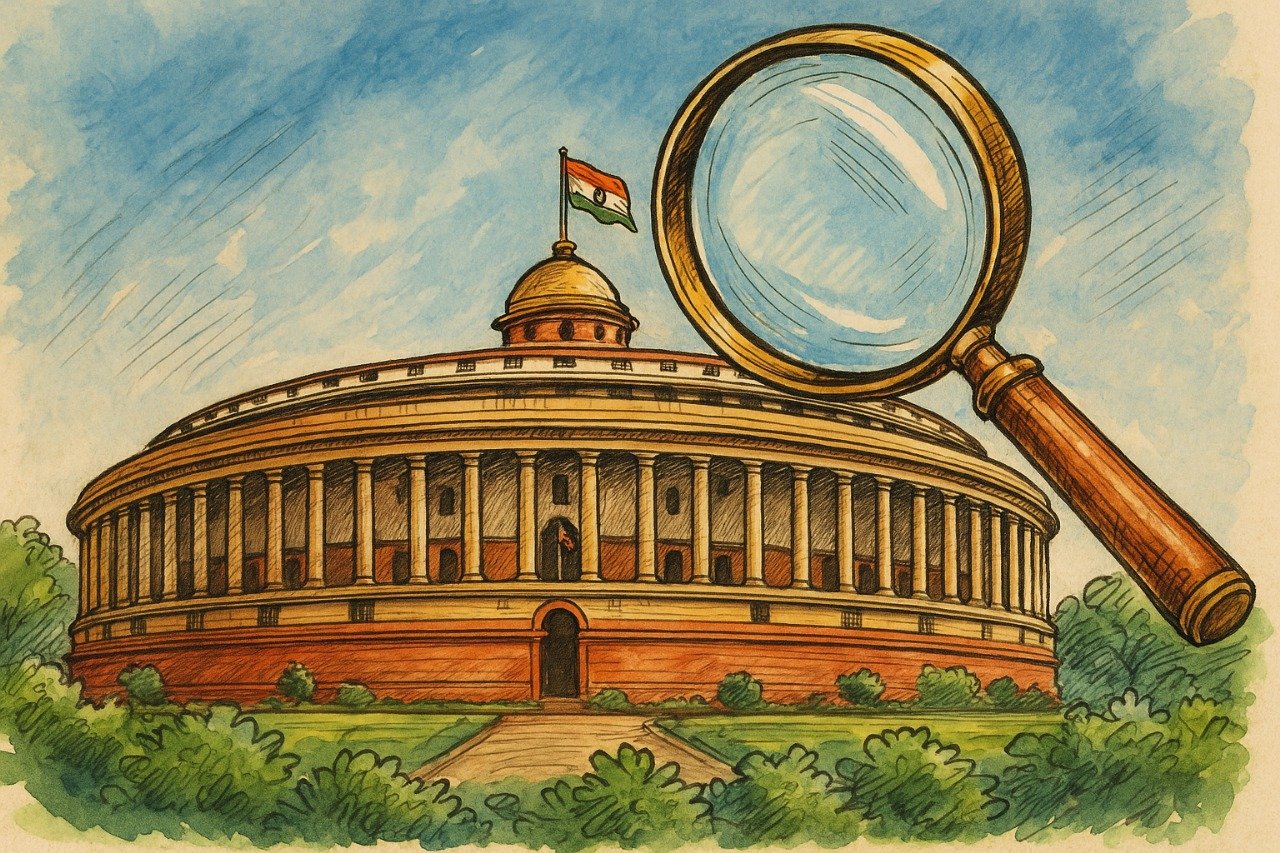
The parliamentary standing committee has recommended a sweeping framework mandating watermarks on all social media content. Aimed particularly at deepfakes and AI-altered imagery, the measure seeks to help users distinguish legitimate content from manipulated media.
The proposal emerged in the 254th report of the Standing Committee on Home Affairs—tabled this week—chaired by BJP MP Radha Mohan Das Agrawal. It calls on the Ministry of Electronics and Information Technology (MeitY) to define technical standards and appoint a coordinator under CERT-In to oversee detection alerts and enforcement.
Data Protection and DPDP Act Readiness: Hundreds of Senior Leaders Sign Up for CDPO Program
Greater Accountability for Online Intermediaries
The committee emphasized that no intermediary—such as social platforms—should hide behind legal immunity under Section 79 of the IT Act. It recommended periodic reviews of these safe harbour protections and graded penalties for failure to remove unlawful content promptly. Suggested punishments include financial fines and temporary suspension, while ensuring due process and appeal mechanisms.
OTT Platforms Under Renewed Scrutiny
According to the committee, platforms hosting packaged or curated content—such as Netflix, Prime Video, and others—must be more accountable for obscene or harmful material. While self-classification frameworks exist under the IT Rules, 2021, the panel urged periodic reviews and stricter enforcement. Proposals also include holding intermediaries liable when they fail to act on removal orders within defined timelines.
Why It Matters
These proposals reflect growing concerns about manipulated media, fake news, and the lack of accountability across digital platforms. By requiring watermarking and casting a more critical eye on intermediaries and OTT operators alike, lawmakers aim to protect public discourse and rein in technological exploitation.