
Follow us on Google News

Security forces in Jammu and Kashmir have identified a network of social media accounts allegedly controlled by Pakistan-based terror groups, accused of using online platforms to incite communal discord and destabilise the region.
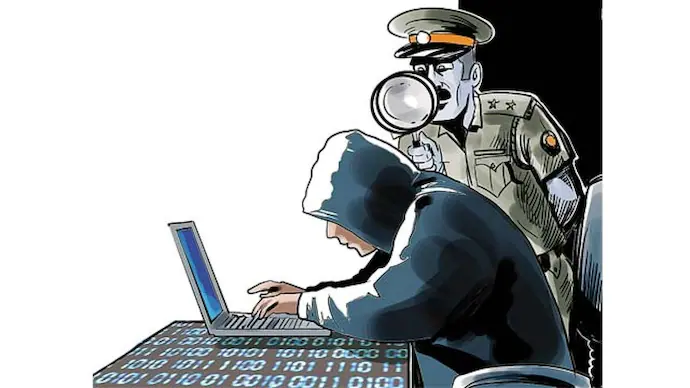
According to a special investigation cited by officials, these operators, dubbed “bedroom jihadis”, leverage smartphones and computers to spread inflammatory content from the safety of their homes, avoiding physical confrontation while still waging a form of psychological warfare.
Data Protection and DPDP Act Readiness: Hundreds of Senior Leaders Sign Up for CDPO Program
Revival of a Dormant Threat
Officials say the phenomenon is not new. A similar trend appeared in 2017 but was largely curtailed after the 2019 abrogation of Jammu and Kashmir’s special status and its reorganisation into a Union Territory. However, the activity has resurfaced following last year’s assembly elections, with a possible aim to destabilise the elected government.
Investigators monitored thousands of posts, comments and private messages over several weeks, tracking patterns of coordinated disinformation. In one instance, tensions between Shia and Sunni communities during Muharram were reportedly amplified through provocative online posts. In another case, personal details of Kashmiri Pandit migrants under a central rehabilitation scheme were leaked, leading to the arrest of a local man allegedly acting on instructions from across the border.
Nationwide and Overseas Reach
Authorities have noted that the reach of these online propaganda campaigns extends beyond Jammu and Kashmir. Fake accounts on X (formerly Twitter) have reportedly been used to push narratives aligned with the agenda of cross-border elements, drawing in participants from Delhi and even outside India.
Former Jammu and Kashmir Director General of Police Kuldeep Khoda said the “digital battlefield” is now an increasingly significant front, where external actors exploit local tensions to further their strategic objectives.
Officials say effective monitoring, account blocking and targeted arrests have been used to counter the threat, though they acknowledge the challenge is akin to “finding a needle in a haystack” given the sheer volume of online content.