

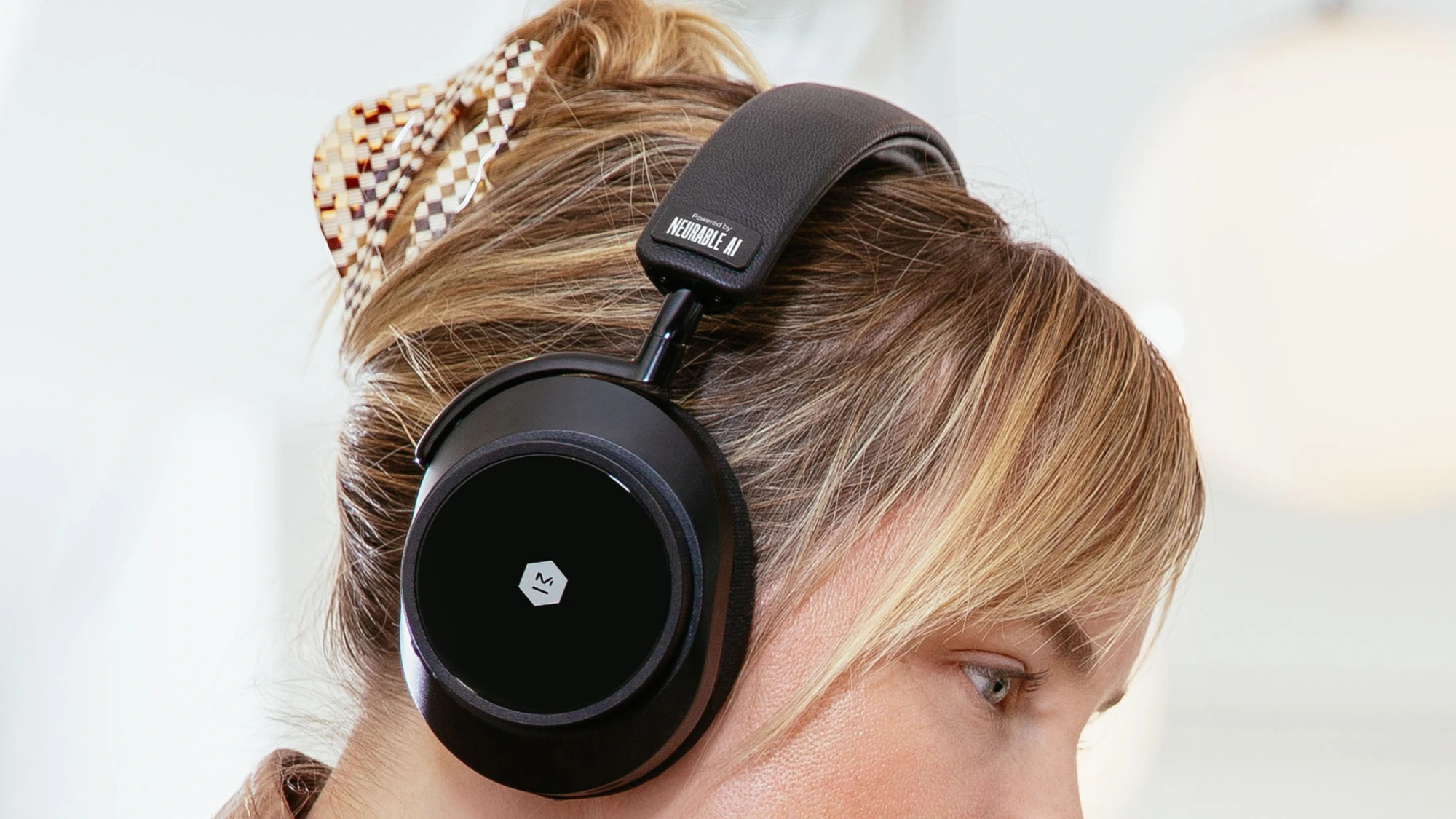

Neurable, a neurotechnology startup, has announced plans to license its non-invasive brain-computer interface headphones to consumer product manufacturers, opening a new debate over how brain-sensing devices may enter everyday electronics. The company is seeking licensees across health, gaming and productivity, while questions remain over the cost, reliability, privacy and possible military use of the technology.
Consumer Brain Tech Push
Neurable says its licensing platform would allow original equipment manufacturers to integrate AI-powered brain-sensing technology into existing hardware, including headphones, hats, glasses and headbands. In a press release cited in the screenshots, the company said manufacturers would retain control over product design, user experience and distribution.
The approach places Neurable in a different position from companies seeking implanted brain hardware. While Elon Musk’s Neuralink is described as pursuing devices placed inside the human brain, Neurable is attempting to avoid surgical implantation and bring brain-computer interface tools into consumer-facing products.
FCRF Academy Launches Premier Anti-Money Laundering Certification Program
Questions Over Performance and Price
The company has previously partnered with audio brand Master & Dynamic to release the MW75 Neuro LT brain-scanning headphones. The headphones are meant to monitor a user’s focus and provide a numerical score during work.
At a suggested retail price of $700, the product has drawn questions over how reliable its brain-scanning performance is. The screenshots refer to a lack of critical reviews and note the historical challenges faced by non-invasive brain-computer interface technology, including noise interference and signal degradation.
The report also suggests uncertainty over which companies may partner with Neurable on expensive brain-monitoring devices, and whether consumers will be willing to pay for technology that examines cognitive processes through hardware made with links to a defense contractor.
Pentagon Link Raises Ethical Concerns
Neurable maintains a $1.2 million research partnership with the Pentagon to study whether its wearable brain-computer interface can track Air Force service members’ cognitive fitness. The arrangement has raised questions about who the technology ultimately serves and how responsibly Neurable will handle the brainwave data collected by its devices.
James Giordano, former chief of neuroethics at Georgetown University Medical Center, warned the Military Times that enforced use of such devices by service members could create a dystopian basis for behavioral control.
The concerns extend beyond military settings. As consumer electronics brands increasingly seek deeper access to user data, Neurable’s technology adds a more sensitive layer by moving from behavioral tracking toward brainwave monitoring. Going forward, the central question is whether companies and consumers will accept brain-sensing devices as useful tools, or view them as an intrusive step into private cognitive life.
Follow for daily updates on cybercrime, corporate fraud, DFIR, hacking, investigations, and digital forensics
