

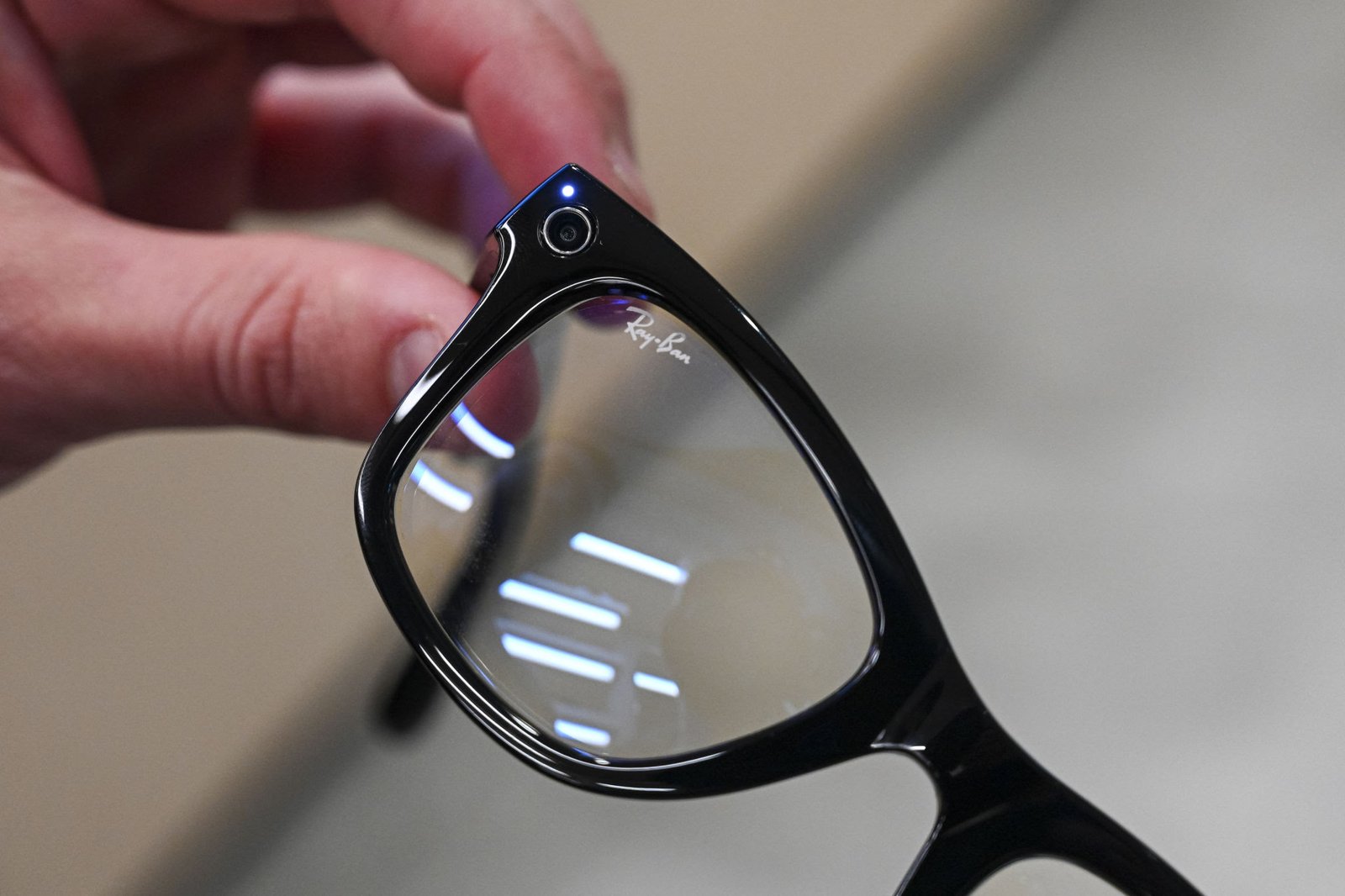

Dutch privacy and online-abuse organisations are preparing urgent legal action against Meta after the company refused to withdraw its AI-powered glasses from sale in the Netherlands.
Offlimits and The Firewall Foundation want a Dutch court to stop sales of the glasses while they can still be used to secretly record people. The move follows reports that hundreds of Dutch women and girls were filmed without their knowledge, with some footage later appearing in Telegram groups and on so-called “creepshot” websites.
The legal action marks a sharp escalation from the privacy concerns already surrounding Meta’s smart glasses across Europe.
FCRF Launches CP-FRM to Build India’s Next Generation of Fraud Risk Professionals
Meta refuses to withdraw glasses despite privacy demands
Offlimits and The Firewall Foundation had given Meta a deadline to address their concerns and remove the glasses from the Dutch market.
That deadline has now passed.
Meta’s head of wearables, Alex Himel, said the company did not intend to pull the product. Meta argues that an indicator light on the front of the glasses tells people nearby when the camera is recording.
Critics say that safeguard is too easy to defeat.
The small light can reportedly be covered, reducing the chances that people nearby will realise they are being filmed. Privacy groups argue that this creates a particular risk because the device otherwise resembles an ordinary pair of glasses.
Offlimits is now preparing summary proceedings, a faster Dutch legal process used when a party seeks urgent court intervention.
The organisation expects an emergency hearing to be scheduled shortly.
Dutch consumer group Consumentenbond is also taking legal action over the glasses. Its concerns include the collection and processing of sensitive personal information belonging to people who may never have agreed to be recorded.
Several Dutch retailers and venues have already reacted independently.
Eyewear retailer Hans Anders stopped selling the glasses in the Netherlands and Belgium. Cultural venues in Groningen have also introduced bans, while sports organisations have raised concerns about their use in changing rooms and other sensitive spaces.
Legal challenge targets filming and Meta’s data processing
The dispute goes beyond whether an individual user behaves badly.
The Dutch organisations argue that the design of the device itself makes covert recording too easy and that Meta may also face responsibility for how footage is processed through its systems.
Their lawyers have pointed to privacy protections under the European Union’s General Data Protection Regulation, or GDPR, as well as Dutch laws restricting secret filming.
GDPR gives people rights over how organisations collect and use information that can identify them.
Video can fall within those rules when individuals are recognisable. The legal risks become even greater when footage may reveal sensitive information such as someone’s health, religion, political views or private behaviour.
That means the Dutch case could test an important question for wearable technology: when does a company’s responsibility begin if its product makes it easy for users to collect personal data about people around them?
Meta has taken the position that misuse should be blamed on individuals who deliberately circumvent safeguards.
Privacy campaigners argue that companies cannot completely separate product design from predictable abuse.
European concern over smart glasses is widening
The420.in earlier reported growing scrutiny of smart glasses in France, where privacy and harassment concerns were already putting the technology under pressure.
The Netherlands has now moved closer to a direct legal confrontation.
The Dutch Data Protection Authority has previously reminded users that secretly filming people and publishing such footage can be unlawful. Concern has increased as wearable cameras become harder to distinguish from ordinary clothing or accessories.
Other European countries are also discussing restrictions.
Norway has proposed temporary limits on AI-enabled smart glasses in sensitive public spaces, including schools and areas where people have a strong expectation of privacy.
The wider issue is that wearable AI devices combine several technologies that regulators previously dealt with separately.
They can record video, capture audio, use artificial intelligence to analyse surroundings and connect that information to cloud services.
A smartphone can perform many of the same functions. But a phone usually has to be visibly raised or pointed at someone.
Glasses can record from the wearer’s natural line of sight, making the act far less obvious.
That difference is becoming central to the regulatory debate.
The Dutch case could therefore become an early test of whether European privacy law can be used not simply against unlawful users, but to restrict the sale of hardware whose design allegedly creates a predictable privacy risk.
What this means for you:
Smart glasses should not be treated like ordinary eyewear when cameras and AI are built into them. If you suspect you have been secretly recorded, preserve evidence and report the footage or account before requesting its removal.
Follow for daily updates on cybercrime, corporate fraud, DFIR, hacking, investigations, and digital forensics
