

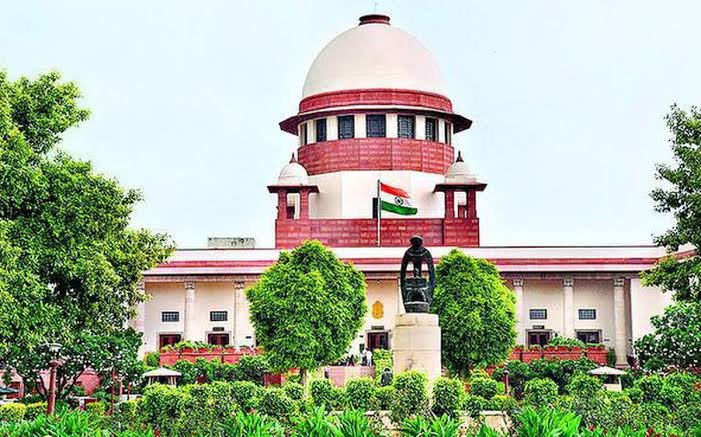

NEW DELHI — Expressing serious concern over the steep markups on medicines and medical supplies used in hospital care, the Supreme Court has raised the prospect of enforcing a 16 percent cap on trade margins across the healthcare supply chain. During a hearing on Monday, October 27, the bench highlighted the sharp disparities in pricing faced by patients, pointing to instances where an intravenous drip line costing 15 rupees at source was sold for as much as 270 rupees. The court questioned why the central government had not drawn upon the recommendations of three separate parliamentary committee reports on the subject, while the Centre cautioned that imposing a uniform cap could severely disrupt business operations and supply networks within the pharmaceutical sector. Following the arguments, the bench reserved its order.
The Disparity in Pricing and the Proposed Cap
The central debate before the court hinges on the quantum of margin added to medicines and disposable devices after they leave the manufacturer. Wholesalers, stockists, distributors, and retail hospital pharmacies routinely layer margins onto the original purchase price, directly driving up total treatment expenses. While trade margins encompass legitimate logistics, storage, and handling expenses rather than raw manufacturer profit alone, the court voiced alarm over instances where final charges to patients are multiplied manifold. Under the existing Drugs Prices Control Order framework, the pricing formula for ceiling-controlled formulations already factors in a 16 percent retailer margin. The bench is now examining whether that specific threshold can be extended more broadly across general medicines and hospital consumables, where admitted patients rarely have the opportunity to negotiate charges, assess individual markups, or compare prices on consolidated bills.
Parliamentary Recommendations and Regulatory Gaps
The bench took note of the fact that three parliamentary committees had previously submitted detailed assessments on medicine pricing and trade margin rationalisation, yet the government made no reference to their findings in its current submissions. While committee recommendations are advisory and do not automatically carry statutory force, they represent extensive consultations with ministries, technical experts, and industry participants. The court observed that Trade Margin Rationalisation has long featured in policy discussions regarding the oversight mandate of the National Pharmaceutical Pricing Authority. Seeking clarity on why these existing findings were omitted from the government’s formal filings, the court indicated that the policy framework must reconcile past legislative recommendations with the ongoing need to shield vulnerable patients, particularly those undergoing long-term, intensive care such as cancer treatment.
Industry Concerns Over Uniform Limits
Resisting the proposed 16 percent ceiling, the central government submitted that a blanket restriction fails to account for the diverse logistical realities of pharmaceutical distribution. Official submissions pointed out that handling expenses vary substantially across product categories, with some treatments requiring continuous temperature-controlled cold chains, specialized transit, or distribution into remote geographic regions with low demand volumes. The Centre maintained that an inflexible margin cap could imperil commercial viability and disrupt product availability across vital markets. While the government has previously capped trade margins at 30 percent for select cancer medicines, it stressed that such targeted interventions operate under distinct conditions and cannot serve as an automatic blueprint for a universal cap. Having heard both perspectives on balancing consumer affordability against industrial stability, the Supreme Court reserved its judgment.
Follow for daily updates on cybercrime, corporate fraud, DFIR, hacking, investigations, and digital forensics
