
Follow us on Google News

Microsoft has confirmed that attackers gained unauthorised access to customer information through a security vulnerability in its Entra Connect Health service, exposing organisational details and administrator contact information that could potentially be used in targeted phishing attacks.
The incident affected information associated with Microsoft Entra Connect Health, a service used by organisations to monitor connections between their internal identity management systems and Microsoft’s cloud infrastructure.
According to the company, the exposed information included organisation names, tenant identifiers, domain details, licensing information and email addresses belonging to technical contacts and administrators.
Microsoft said the vulnerability did not expose passwords, authentication tokens, valid cryptographic keys or sensitive details about on-premises server configurations.
The company discovered the security issue on November 9, 2026, and deployed a server-side fix on November 19. It has advised affected organisations to remain cautious of fraudulent communications that may use the exposed information to impersonate legitimate technical support personnel.
FCRF Launches Certified Chief Risk Officer (CRO) Program for India’s Risk Leaders
What Customer Information Was Exposed Through Microsoft Entra?
The vulnerability affected the Microsoft Entra Connect Health application programming interface (API), which supports monitoring and management functions for organisations using Microsoft’s identity services.
According to the security notification sent to affected administrators, unauthorised parties were able to access certain customer tenant information.
The exposed records included tenant IDs, organisation names, initial domain names, geographic information and Microsoft Entra licence tiers.
Attackers could also access directory synchronisation status, Connect Health onboarding information and email addresses associated with technical contacts and administrators.
These details could reveal information about an organisation’s identity infrastructure and the personnel responsible for maintaining it.
However, Microsoft stated that the vulnerability did not expose user passwords, password hashes, authentication tokens or valid cryptographic keys.
The company also confirmed that information about on-premises servers and Active Directory topology was not accessible through the vulnerability.
According to Microsoft’s investigation, the unauthorised access was limited to viewing customer information.
The company found no evidence that attackers modified tenant records or changed monitoring configurations.
How Could the Exposed Data Be Used in Phishing Attacks?
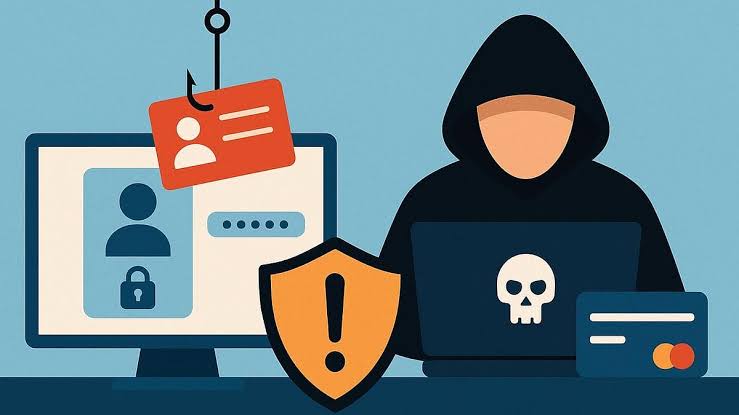
Although the incident did not involve the reported exposure of passwords or authentication credentials, Microsoft warned that the leaked organisational information could be misused in social engineering attacks.
The exposed data could help cybercriminals identify organisations using Microsoft Entra services and determine which employees are responsible for managing their identity infrastructure.
Administrator email addresses and technical contact information could provide attackers with specific targets for fraudulent communications.
Microsoft warned that criminals might use the information to create convincing phishing messages impersonating Microsoft support representatives or internal information technology departments.
Such messages could refer to genuine domain names, tenant details or Microsoft Entra configurations to make fraudulent requests appear credible.
An attacker possessing this information could attempt to persuade an administrator to disclose sensitive information, follow malicious instructions or interact with fraudulent support communications.
Microsoft has therefore recommended that organisations review their technical contact details and ensure that notification recipients remain current and appropriate.
The company also advised administrators to exercise caution when receiving unexpected communications claiming to concern Microsoft Entra services or their organisation’s technical infrastructure.
The warning highlights how information that does not directly include passwords can still increase security risks when combined with impersonation and social engineering techniques.
What Has Microsoft Done to Address the Security Vulnerability?
Microsoft said it identified the vulnerability on November 9, 2026, and subsequently investigated the extent of the unauthorised access.
The company deployed a server-side correction to the Entra Connect Health API on November 19, addressing the weakness that allowed customer information to be viewed without authorisation.
Because the fix was implemented within Microsoft’s own infrastructure, affected organisations do not need to install a separate software update for the correction to take effect.
Microsoft has also released a PowerShell script to help administrators identify the categories of tenant information that may have been exposed.
The company said its investigation did not identify unauthorised changes to customer configurations or monitoring arrangements.
Nevertheless, it recommended precautionary measures because exposed metadata and administrator contact details could still be used in subsequent attacks.
Organisations using the affected service have been advised to verify their registered technical contacts and remain vigilant against suspicious messages requesting account information or administrative action.
Microsoft Entra Connect Health is used by organisations across sectors including banking, healthcare, government, manufacturing and education to monitor identity-related services and maintain connections between internal systems and cloud-based applications.
The incident illustrates the security risks associated with the exposure of organisational metadata, even when passwords and other authentication secrets remain protected.
While Microsoft has corrected the vulnerability, the disclosed customer information could still assist attackers attempting to impersonate trusted technical personnel and target organisations through phishing campaigns.
About the author — Suvedita Nath is a science student with a growing interest in cybercrime and digital safety. She writes on online activity, cyber threats, and technology-driven risks. Her work focuses on clarity, accuracy, and public awareness.