
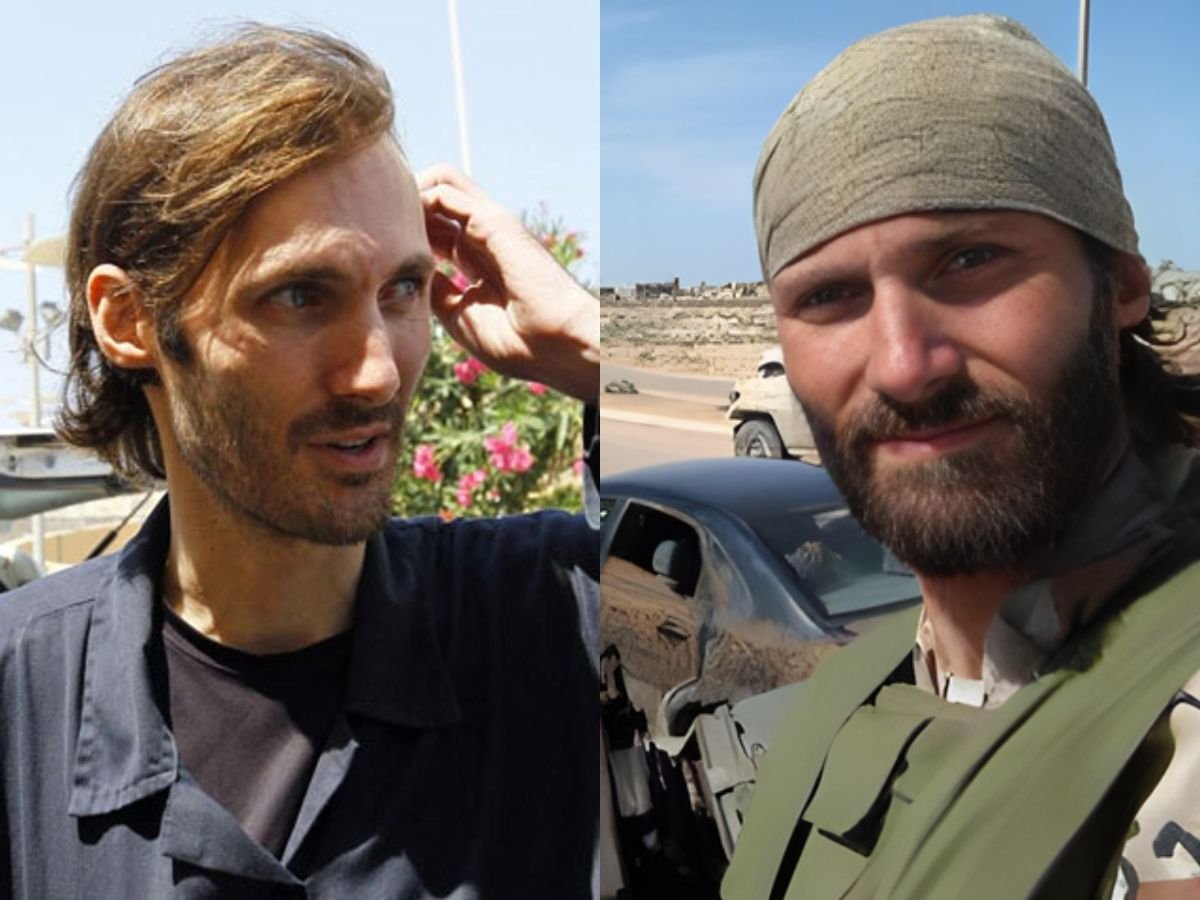

Indian authorities have intensified their investigation into an alleged network involving foreign nationals, drone technology, and cross-border movement along the India–Myanmar frontier. At the center of the case is Matthew Aaron VanDyke, an American citizen arrested alongside six Ukrainian nationals in a coordinated operation conducted by the National Investigation Agency (NIA) across cities including Kolkata, Delhi, and Lucknow.
Officials said they are examining electronic devices, communication records, travel histories, and financial transactions to determine whether the accused were part of a broader international network. Investigators are also attempting to establish whether additional individuals, both within India and abroad, may have been involved.
The inquiry, officials noted, could reveal a coordinated effort extending beyond those currently in custody, raising concerns about the scale and structure of the alleged activities.
FutureCrime Summit 2026 Calls for Speakers From Government, Industry and Academia
Allegations of Armed Group Links and Drone Training
Central to the investigation are suspicions that the accused maintained links with armed groups operating in Myanmar and India. Authorities believe some of these groups may have connections with organizations banned in India, heightening the seriousness of the case.
According to officials, these groups are suspected of sharing weapons, training, and technological expertise, including the use of drones. If substantiated, such collaboration could significantly enhance the operational capabilities of insurgent groups, particularly in India’s northeastern states.
Security agencies have also pointed to reports suggesting that drone equipment may have been transported from Europe into Myanmar through Indian routes. This has raised concerns that India may have been used as a logistical corridor, especially given the increasing role of drones in surveillance and combat operations.
Officials warn that the convergence of foreign expertise and advanced technology could alter the nature of insurgency, making it more complex and difficult to counter.
Illegal Border Movements and Expanding Probe
Investigators have identified what they describe as irregular travel patterns, including possible illegal crossings along the India–Myanmar border. Authorities said several foreign nationals entered India on different dates and later converged in northeastern regions close to the border.
From there, they are suspected of crossing into Myanmar without valid permits or documentation, bypassing official immigration channels. Officials say this has exposed vulnerabilities in border monitoring, particularly in remote and difficult-to-access areas.
The NIA is also examining whether the accused had local assistance, including facilitators or contacts who may have helped them navigate routes and avoid detection. Understanding these networks, officials said, will be critical to uncovering the full scope of the operation.
During court proceedings following the arrests, the agency sought 15 days of custody, though 11 days of remand were granted. Investigators are using this period to conduct detailed questioning aimed at clarifying the purpose, planning, and extent of the alleged activities.
A Controversial Figure at the Center
Matthew Aaron VanDyke is known internationally as a conflict-zone personality who has described himself as a security analyst, war correspondent, and documentary filmmaker. He first gained attention during the 2011 Libyan Civil War, where he reportedly joined anti-government rebel forces and was later captured and imprisoned for several months before being released.
Following his release, VanDyke remained active in conflict-related work and later founded Sons of Liberty International (SOLI), an organization that claims to provide training, guidance, and support to local forces in politically unstable regions.
His activities have long drawn scrutiny from governments and analysts. While supporters view his work as assisting communities in defending themselves, critics have questioned whether his involvement blurs the line between journalism, activism, and direct participation in armed conflicts.
Speculation regarding possible intelligence links has also surfaced in public discourse, including unverified claims about connections to agencies such as the Central Intelligence Agency. However, Indian authorities have not indicated any such angle in the current investigation, and no official confirmation or evidence has been presented to support these claims.
Why the Case Resonates
For Indian security agencies, the case underscores a broader and evolving challenge: the intersection of global conflict networks, foreign nationals, and emerging technologies such as drones.
Officials note that modern conflicts are increasingly characterized by cross-border movements and decentralized actors, rather than traditional battle lines. In a region like India’s northeast, which has a history of insurgency and proximity to international borders, such developments carry heightened security implications.
Authorities continue to investigate whether the accused played a role that extended beyond training into strategic or operational support for armed groups. The outcome of the case, officials say, may offer further insight into how such networks operate—and how they may be identified and addressed in the future.
