
High Courts across India are putting strict time limits on how long cybercrime police can keep bank accounts frozen during fraud investigations. Under a new ruling by the Madhya Pradesh High Court, police now have three months to take legal action, or the frozen money must be returned to the account holder.
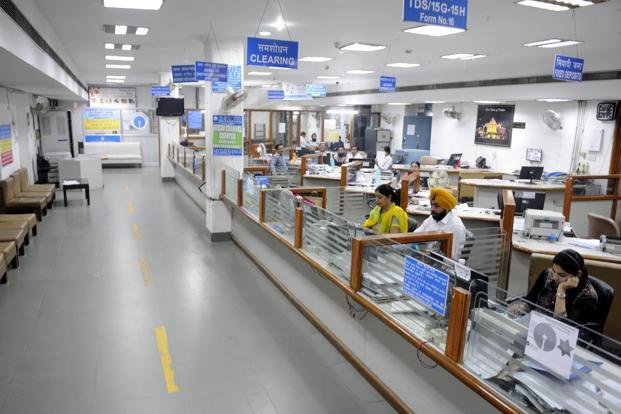
Justice Sandeep N Bhatt ordered State Bank of India to release a woman’s frozen account and place only the disputed amount of Rs 2,01,263.58 into a fixed deposit. If police do not act within the three-month deadline, the woman will be allowed to withdraw her money.
Algoritha Security Launches ‘Make in India’ Cyber Lab for Educational Institutions
How long can police keep your money frozen?
Police can no longer hold frozen funds indefinitely without taking legal steps. Recent guidelines from the Ministry of Home Affairs state that banks must process account holder complaints within seven days, and police officers must make a decision within fifteen days. The maximum time an account can remain on hold under these rules is 90 days. Because authorities often ignore these timelines, courts are step by step forcing law enforcement to follow the limits.
Why are normal accounts being locked by mistake?
The woman in the case trades cryptocurrency through peer-to-peer transactions, holding accounts with State Bank of India and ICICI Bank. Both accounts were locked without warning after money from a cyber fraud ended up in one of her accounts. Trading directly with strangers means innocent people can easily receive money linked to a crime without knowing it. This same problem affects everyday shop owners, petrol pump operators, and businesses accepting regular online payments from the public.
What do different courts say about bank freezes?
High Courts across the country are currently divided over how bank freezing laws should be applied. A court in Nagpur ruled in 2025 that police cannot freeze an account without a magistrate’s order. However, the Allahabad High Court ruled in April 2026 that while police do not need to give prior notice, they are strictly forbidden from freezing an entire bank account when only a small portion of the money is under dispute.
How are bank freezes affecting regular businesses?
Judges have repeatedly criticized cybercrime units for being irresponsible and freezing massive amounts of money over tiny sums. In one extreme case in Madhya Pradesh, a contractor’s Rs 2.51 crore account was completely frozen over a single disputed payment of just Rs 980. The issue has grown so severe that petrol pump owners in Tamil Nadu threatened to stop taking online UPI payments after automated fraud detection systems kept freezing legitimate business accounts by mistake.
What happens if police miss the deadline?
The main problem with the current rules is that there are no punishment clauses for police officers who miss the 15-day limit or banks that fail to report complaints on time. Because government rules lack penalties, citizens are forced to go to court to get their money back. Justice Bhatt’s three-month deadline is currently the strongest legal protection citizens have against prolonged bank account freezes.
About the author — Ayesha Aayat writes on cybercrime, digital safety, and emerging online threats. Her work focuses on public awareness, legal clarity, and technology-driven risks.
