
Follow us on Google News

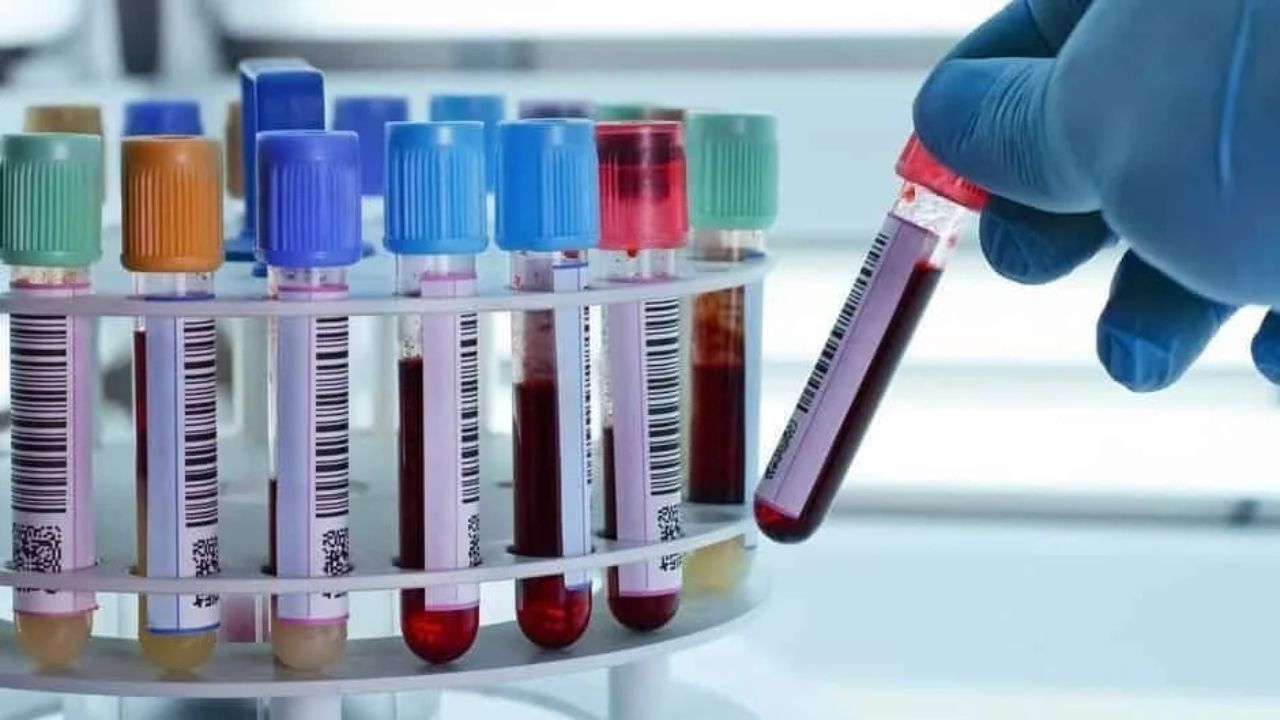
An undercover investigation by Dainik Bhaskar has exposed alleged manipulation of medical test reports at pathology laboratories in Lucknow, where operators reportedly agreed to alter blood test readings to show serious illnesses in exchange for business and commissions. The investigation found major discrepancies in reports for kidney function, platelet counts and infection markers, raising concerns about patients being subjected to unnecessary hospitalisation and expensive treatment.
The newspaper’s investigation covered four pathology laboratories, with reporters posing as sample collection agents seeking altered reports on the instructions of doctors.
In one case, a laboratory reported a creatinine level of 8.1 mg/dL, suggesting a serious kidney problem, while a comparison test of another sample showed a normal reading of 0.85 mg/dL. Similar discrepancies were recorded in platelet counts and white blood cell levels.
FCRF’s Chief AI Officer Certification Returns on November 14 to Prepare Future AI Leaders
How Did Pathology Operators Agree to Manipulate Medical Reports?
According to the investigation, reporters approached laboratory operators with offers to provide regular blood samples worth ₹2,000 to ₹3,000 per day.
They told the operators that doctors wanted certain reports altered to indicate illnesses such as dengue, malaria, typhoid and kidney infections, even when the actual test results were normal.
At one diagnostic centre, an operator identified as Man Singh allegedly agreed to adjust readings for blood counts and tests involving dengue, malaria and typhoid.
During the recorded conversation, he discussed a commission arrangement under which the sample collection agent would receive 70% and the laboratory would retain 30%.
The investigation also reported that Man Singh operated a medical store and was a pharmacist rather than a doctor. He reportedly said that a doctor visited the diagnostic centre only once or twice a week.
At another laboratory, an operator identified as Arijit allegedly offered a commission of up to 65% for providing samples.
When a reporter requested a report indicating dengue, the operator discussed reducing the platelet count, although he initially indicated that a positive dengue result could not be shown when the actual test was negative.
The subsequent report showed a platelet count of 1.10 lakh, while the comparison sample had a count of 1.74 lakh.
Kidney Function Report Shows Major Discrepancy in Sting Operation
Another part of the investigation involved a laboratory operator identified as Ahmed Ansari.
During an undercover conversation, Ansari allegedly discussed opportunities to obtain patients and diagnostic samples from medical institutions and refer them to private hospitals.
He claimed that arrangements involving patient referrals could generate commissions and additional business for those supplying patients and samples.
The reporter subsequently submitted a blood sample and requested that the kidney function test show a severe abnormality, with creatinine levels between 8 and 10 mg/dL.
The laboratory later issued a report showing creatinine at 8.1 mg/dL, substantially above the stated normal reference range of 0.55 to 1.1 mg/dL.
However, the comparison report from another laboratory recorded the creatinine level at 0.85 mg/dL.
The investigation presented the difference as evidence that test readings could allegedly be manipulated to make a patient appear to have a serious kidney condition.
Such a report could be used to justify hospital admission or further medical treatment, according to the concerns raised in the undercover investigation.
Altered Blood Counts Raise Concerns Over Unnecessary Treatment
The investigation also documented another laboratory where an operator identified as Raj allegedly agreed to modify blood test readings.
After discussing the possibility of receiving regular samples, the reporter requested an increase in the total leukocyte count (TLC), a measure of white blood cells commonly used in assessing infections.
The laboratory subsequently issued a report showing a TLC of 15,600, while the comparison report was described as normal.
The investigation noted that the usual reference range for a healthy adult is approximately 4,000 to 11,000 cells per microlitre.
The undercover findings suggested that manipulated reports could be used to make routine conditions appear more serious and potentially persuade patients to undergo additional treatment.
The recorded conversations also indicated that some operators were willing to discuss substantial commissions in exchange for regular business.
The investigation alleged that such arrangements could benefit laboratories, intermediaries and doctors involved in unnecessary referrals or treatment.
The findings were documented through undercover conversations and comparative medical reports. The material did not establish whether regulatory authorities or police had initiated proceedings against the individuals named in the investigation.
About the author — Suvedita Nath is a science student with a growing interest in cybercrime and digital safety. She writes on online activity, cyber threats, and technology-driven risks. Her work focuses on clarity, accuracy, and public awareness.