
Follow us on Google News

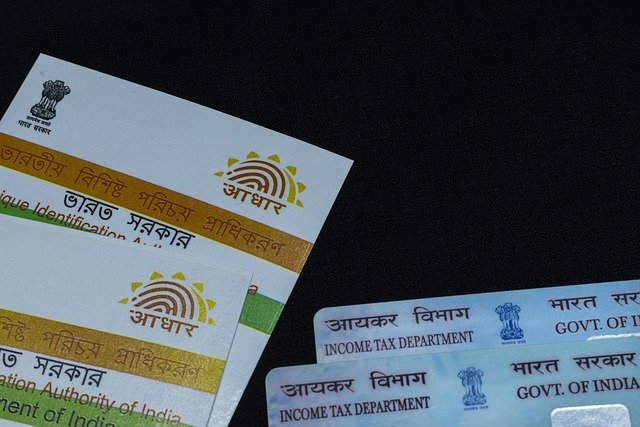
India’s top counter-terror agency, the National Investigation Agency (NIA) has revealed a disturbing trove of data retrieved from the mobile phones of three Pakistani terrorists involved in the April 22 attack in Pahalgam. Investigators discovered Indian Aadhaar cards, Facebook account-details and photographs on the devices, raising serious questions about identity misuse and cross-border facilitator networks.
https://the420.in/centre-for-police-technology-launched-as-common-platform-for-police-oems-and-vendors-to-drive-smart-policing/
Indian Identity Credentials in Terrorist Hands
The three terrorists — identified as Suleiman Shah, Hamza Afghani (alias “Afghan”) and Jibran — were killed in a July 28 encounter in the Dachigam forest region of Jammu & Kashmir. The NIA’s forensic analysis of their phones, conducted by the National Forensic Science University, Gandhinagar, not only revealed the Aadhaar credentials of Indian residents but also pointed to Facebook accounts used in conjunction with encrypted communications.
Implications for Terror-Financing and Identity Fraud
This discovery underscores how sophisticated terror groups exploit Indian digital identity systems and social-media platforms to embed themselves and carry out operations. With Aadhaar cards and Facebook IDs found alongside satellite phones, rifles and Pakistani identity documents, investigators believe the triad of fake Indian identity, false social profiles and encrypted coordination formed the backbone of the attack’s planning. Facilitators such as local residents allegedly assisted in document downloads, fake phone-number setups and OTP interceptions for network activation.
Investigation Expands; Charge Sheet Awaited
The NIA is now seeking an additional 45 days to complete the probe into encrypted chats, satellite phone data and international links. Its filings suggest involvement of entities from Pakistan and the The Resistance Front (TRF). Authorities say the case will help unravel how transnational terror networks abuse official Indian identity systems and social-media infrastructure to facilitate attacks.
Security analysts say this incident should trigger urgent evaluation of Indian identity-verification systems, social-media account monitoring and cross-border digital intelligence mechanisms. The blending of Aadhaar misuse and terrorist networking poses a grave risk that extends far beyond one military strike — it strikes at the heart of the nation’s digital sovereignty.