

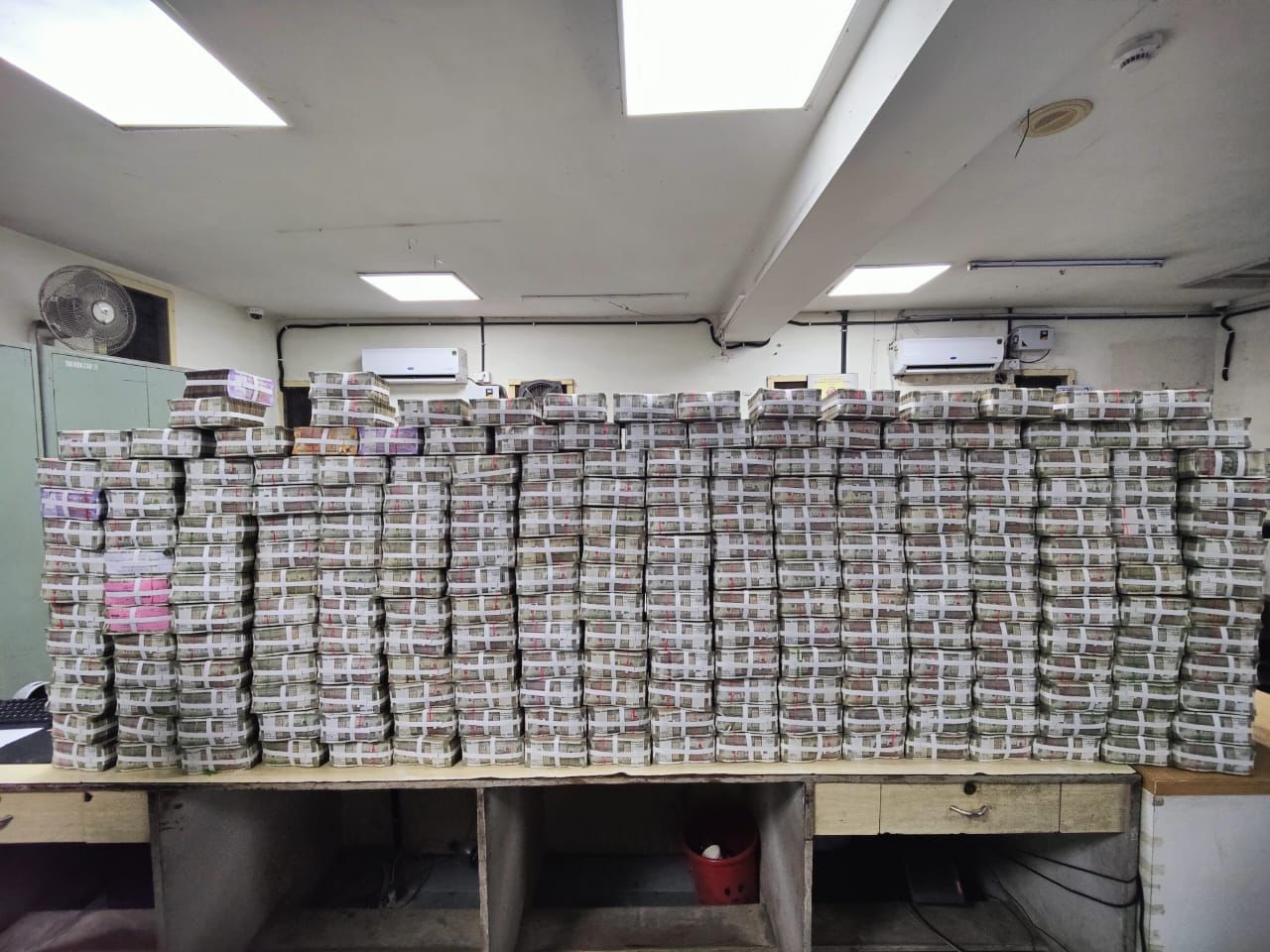
In one of the biggest anti-corruption actions in Karnataka this year, the Lokayukta Police on Wednesday conducted extensive raids on the premises of a senior minister’s personal secretary, uncovering assets worth over ₹14.38 crore that are allegedly disproportionate to his known sources of income.
The raids were carried out against Sardar Safaraz Khan, personal secretary to Karnataka Housing and Minority Welfare Minister B. Zameer Ahmed Khan, in connection with a disproportionate assets case registered at the Bagalkot Lokayukta Police Station.
Simultaneous raids at 13 locations
According to officials, multiple Lokayukta teams carried out simultaneous searches at 13 locations across the state early Wednesday morning. The locations included:
- A residential house in Halasuru, Bengaluru
- Two coffee estates in Kodagu district
- A resort property in HD Kote, Mysuru
- Several other residential and commercial premises
The operation continued for several hours as officials seized documents, property records, bank statements and valuables.
Assets worth ₹14.38 crore unearthed
Preliminary findings by the Lokayukta reveal the discovery of assets grossly disproportionate to the accused’s known income. The seized and confirmed assets include:
- ₹8.44 crore worth of immovable property
- Four residential houses
- 37 acres of agricultural land
- Gold and diamond jewellery worth nearly ₹3 crore
- Luxury vehicles valued at ₹1.64 crore
- Cash amounting to ₹66,500
- Bank deposits and investments worth ₹1.29 crore
Officials said further valuation is underway and the total figure may rise once forensic scrutiny is completed.
Who is Sardar Safaraz Khan?
Sardar Safaraz Khan is currently serving as Personal Secretary to Minister B. Zameer Ahmed Khan, but his parent cadre post is Director in the Cooperative Audit Department. He was working on deputation at the time of the raids.
Investigators believe he used his official position and political proximity to amass assets far beyond his legal income over the years.
Coffee estates and resort under scanner
The Lokayukta team also raided:
- Two coffee estates in Kodagu
- A luxury resort in HD Kote, Mysuru
Officials are examining whether these properties were purchased through benami transactions or by diverting illegal funds. Financial trails, ownership patterns, and investment routes are currently being analysed.
Sources indicated that the agency is also examining whether any government clearances or benefits were misused in acquiring these properties.
What happens next?
Senior Lokayukta officials stated that:
- All seized documents will undergo forensic and financial analysis
- Bank accounts and property records will be examined in detail
- A chargesheet under the Prevention of Corruption Act will be filed after completion of the probe
- Arrests may follow depending on evidence
- The role of other officials and possible political links is also under scrutiny
Officials did not rule out further raids or expansion of the investigation.
Political reactions intensify
The raids have triggered strong reactions in political circles. Opposition parties have accused the government of shielding corrupt officials, while the ruling establishment has maintained that “the law is taking its own course.”
A senior Lokayukta official said,
“No one is above the law. The investigation will proceed strictly on evidence.”
A major blow to corruption networks
The operation is being seen as one of the most significant anti-corruption actions in Karnataka in recent years, particularly because it involves a close aide of a sitting minister.
Anti-corruption activists say the case highlights how public servants misuse influence to accumulate wealth and how long such networks remain undetected.
The Lokayukta’s crackdown on Sardar Safaraz Khan has exposed a massive accumulation of wealth allegedly far beyond legitimate means. With over ₹14 crore in assets under scrutiny, the case is expected to have wide political and legal ramifications.
As the investigation deepens, more revelations are likely, and the spotlight will remain firmly on how such large-scale corruption was allowed to flourish within the system.
